Image – Diablo 4/Blizzard
Blizzard’s Diablo 4 has been under fire for its monetization practices since launch, but Season 8 has pushed player frustration to new heights. With £112 Berserk-themed skins, slow seasonal progression, and minimal gameplay improvements, many fans feel the game is prioritizing revenue over meaningful content.
Season 8: The Breaking Point?
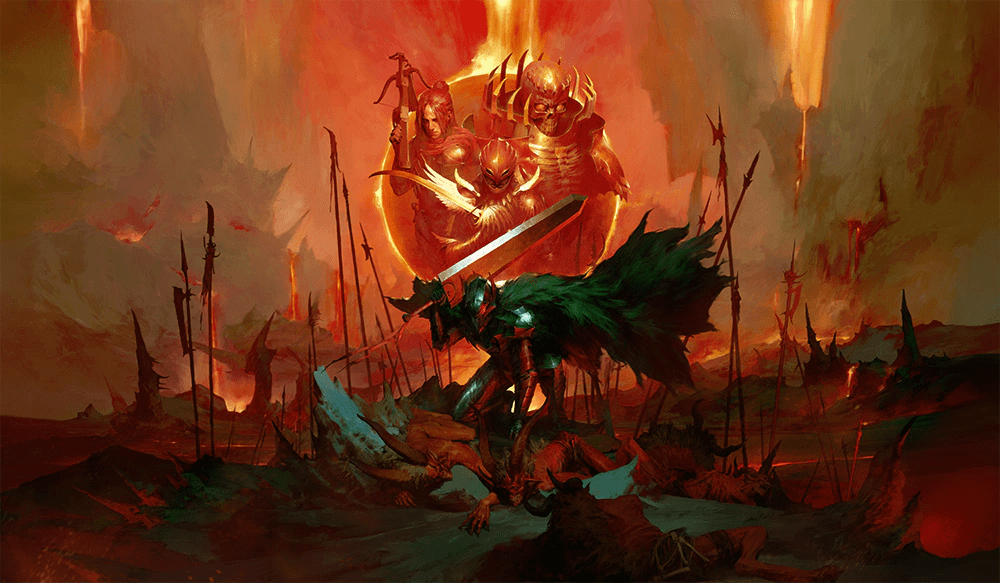
Season 8 introduced a crossover with Berserk, a beloved anime and manga series. While the collaboration excited fans, the steep cosmetic prices quickly overshadowed the hype. The most expensive skins cost £112, sparking outrage over Blizzard’s pricing strategy.
Beyond cosmetics, players have criticized the lack of substantial gameplay changes. While Season 8 added new boss encounters and minor quality-of-life improvements, many feel the core experience remains stagnant. The seasonal progression system has also been labeled as slow and unrewarding, making it harder for players to earn meaningful rewards without spending money.
A History of Monetization Controversies
Blizzard’s monetization tactics in Diablo 4 didn’t start with Season 8, previous seasons have had their fair share of backlash:
- Season 1 (Malignant Hearts): The Battle Pass rewards felt underwhelming compared to the cost, leading players to question whether Blizzard was delivering enough value.
- Season 2 (Blood Harvest): Premium mounts and armor sets were introduced, sparking debate over Blizzard’s pricing strategy compared to earnable cosmetics.
- Season 5 (Echoes of Hatred): The use of limited-time bundles pressured players into purchases before items disappeared, reinforcing FOMO-driven monetization.
- Season 7 (Infernal Reckoning): The £75.00 Collector’s Pack, containing little beyond cosmetics, highlighted Blizzard’s increasing reliance on microtransactions.
Blizzard’s Response: A Lack of Accountability?
Despite mounting criticism, Blizzard has largely avoided addressing player concerns directly. While Diablo franchise general manager Rod Fergusson previously stated that Diablo 4 would not follow the aggressive monetization model of Diablo Immortal, players feel that Blizzard has failed to uphold that promise.
Community frustration has led to calls for boycotts, with some players refusing to purchase cosmetics or engage with seasonal content until Blizzard makes meaningful changes.
How Does Diablo 4 Compare to Other ARPGs?
Blizzard’s monetization strategy stands in stark contrast to other ARPGs like Path of Exile and Lost Ark:
- Path of Exile: While PoE has microtransactions, its monetization is focused on cosmetics and convenience, rather than restricting core gameplay. Players can enjoy the full experience without spending money.
- Lost Ark: This MMO-ARPG has pay-to-win mechanics, but it also offers earnable cosmetics and progression options, making it more accessible than Diablo 4.
Compared to these games, Diablo 4’s monetization feels more aggressive, with high-priced cosmetics and limited ways to earn rewards through gameplay.
The Bigger Issue: Monetization vs. Player Trust
Blizzard’s aggressive monetization isn’t unique, major publishers across the industry are testing the limits of what players will tolerate. The critical question remains: When does optional monetization cross the line into exploitation?
While Blizzard continues to push revenue-driven strategies, player frustration is reaching a boiling point. Whether the backlash will eventually force change or simply fade as players accept this as the industry norm is yet to be seen.
Final Thoughts: Games Should Reward Players, Not Exploit Them
At the end of the day, gaming should be about experience, creativity, and fair engagement, not relentless monetization. Publishers need to recognize that player trust matters, because when games put profits ahead of their communities, they risk losing what makes them special.
Until next time, stay sharp and keep gaming. Panda out.
References
- Windows Central – Diablo 4 Battle Pass explained: Monetization, Shop, and is it pay-to-win

Leave a comment