Posts tagged Games

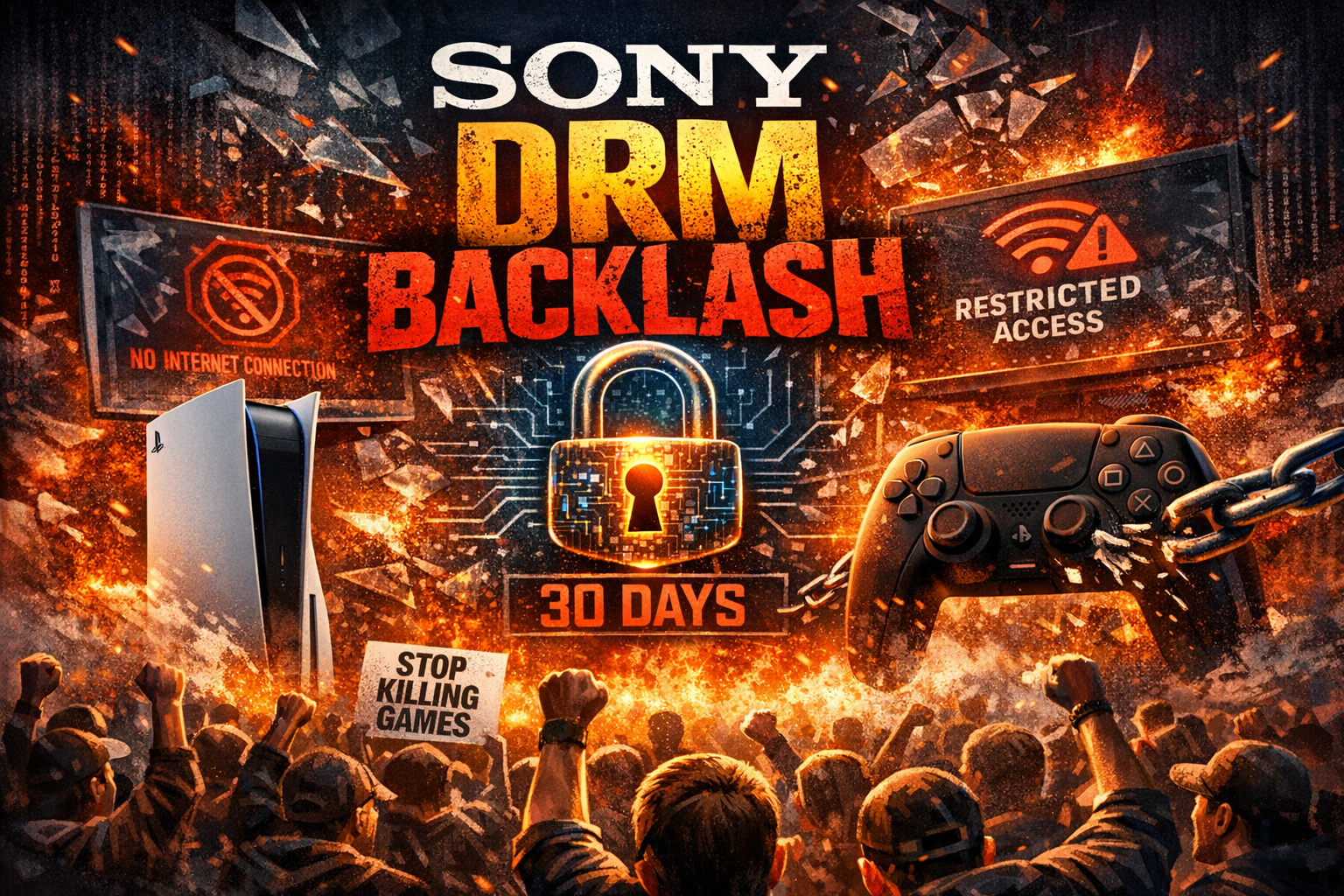
Sony Has Lost It: A 30 Day DRM Lock in the Middle of the Stop Killing Games Movement

In a move that feels almost surreal, Sony has introduced one of the most aggressive DRM restrictions the console industry has seen in years. At the exact moment when the Stop Killing Games movement is gaining traction across Europe, and when Ubisoft has just backed down under public and political pressure, Sony has decided to go in the opposite direction.

Reports from VGC, GameSpot, VideoCardz, Item4Gamer, and Tech4Gamers all confirm the same thing. Any new digital PlayStation game purchased after March 2026 now requires an online check in every 30 days. If your console stays offline longer than that, the game will not launch until you reconnect.

This is not a rumour. This is not a glitch. Sony’s own support channels have confirmed it.

And the timing could not be worse.

What Sony Has Actually Done

According to multiple sources, the new DRM system works like this:

  • All digital games purchased after March 2026 now have a 30 day “validity” timer
  • If the console does not connect to PSN within that period, the license expires temporarily
  • The game becomes unplayable until the console reconnects
  • Primary console settings do not bypass the restriction
  • Older digital purchases are unaffected

VGC reports that the timer is visible on PS4 under “Valid Period (Start End)” and “Remaining Time”, while PS5 tracks the timer invisibly in the background.

GameSpot confirms that this affects all new purchases and that Sony’s automated support bot describes the change as intentional.

Tech4Gamers goes further, stating that Sony support has explicitly confirmed the DRM is part of a new update, not a bug.

This is a mandatory monthly online check in for games you own.

Why This Is Blowing Up

The gaming community is furious, and for good reason. This is the exact scenario the Stop Killing Games movement has been warning about. Publishers taking away access to games people paid for, not because servers shut down, but because of DRM policies.

And Sony has done this right after:

  • Ubisoft backed down and added offline modes to The Crew 2
  • The EU heard the Stop Killing Games petition
  • Public pressure around digital ownership reached an all time high

Instead of listening, Sony has doubled down on control.

A Pattern of Anti Consumer Decisions

When you look at the bigger picture, this is not just one bad decision from Sony. It is part of a growing pattern that feels completely anti consumer. We have seen multiple price rises across PlayStation services this year, from PS Plus subscription increases to higher prices on digital games and accessories. Now, on top of that, Sony has introduced a DRM system that restricts access to games people have already paid for.

It is hard to see how any of this benefits players. Every change seems to take something away, or make something more expensive, or add another layer of control. And the timing could not be worse. With Stop Killing Games pushing for better consumer rights and the EU openly discussing digital preservation, Sony has chosen this moment to tighten restrictions instead of loosening them.

I think Sony will find themselves losing players and customers because of this. Gamers are easy to anger and hard to win back, and we have long memories. Once trust is broken, it does not return quickly. Moves like this do not just frustrate people in the moment, they stay with them for years. If Sony keeps going down this path, they risk pushing loyal players away and damaging the reputation they have built over decades.

Sony’s Quiet ToS Change Makes This Even Worse

As if the DRM situation was not bad enough, Sony recently updated their Terms of Service with a new arbitration clause. This clause prevents players from joining class action lawsuits unless they send a physical opt out letter through the post. This mirrors the controversial move Nintendo made last year, which received massive backlash from players and consumer rights groups.

The timing of this change is impossible to ignore. Sony has introduced a new DRM system that restricts access to purchased games, and at the same time they have made it harder for players to take legal action if something goes wrong. It sends a clear message about where their priorities are, and it is not with the consumer.

My Thoughts

I find it crazy that Sony would do something like this in the light of Stop Killing Games talking with the EU. If anything, this strengthens Stop Killing Games’ stance and shows exactly how much control companies have over people’s digital purchases. This is the kind of behaviour that has pushed people to fight back in the first place, because it proves that access to the games you buy can be restricted at any moment, for reasons that have nothing to do with preservation or consumer rights.

Sony’s new 30 day DRM system does not improve ownership, it does not protect access, and it does not help players in any way. Instead, it introduces a new barrier that punishes anyone who wants to stay offline for more than a month, even when the game is fully installed on their console. Nothing about this aligns with the direction the industry is being pushed toward, especially now that the EU is openly discussing digital preservation and long term access.

So as far as I can see, this move has nothing to do with the EU, and everything to do with Sony tightening control at the worst possible moment. Ubisoft just backed down and added offline modes because of public pressure, yet Sony has chosen this exact time to make digital ownership worse. It feels completely out of touch with what players want, and it highlights why movements like Stop Killing Games exist in the first place.

What Happens Next

This situation has already reignited the debate around digital ownership. If Sony continues down this path, it will only strengthen the argument for regulation. The industry is being pushed toward consumer protection, preservation, and long term access. Sony’s decision shows why that push is necessary.

Sony is risking long term brand damage. Gamers do not forget anti consumer decisions, and they do not forgive them easily. Trust is slow to build and fast to lose, and Sony is burning through it at a worrying pace. If they continue down this road, they may find themselves losing players to competitors who are willing to respect ownership and preserve access.

This is not the end of the conversation. It is the beginning of a much bigger fight over what it means to own a digital game in 2026.

Until next time, stay sharp and keep gaming, Panda out.

References

  • VGC – Video Games Chronicle, 2026. PlayStation has seemingly added a 30 day DRM check to all newly purchased digital PS4 and PS5 games.
  • GameSpot, 2026. PlayStation Users Report New Online License Checks For Digital Games.
  • VideoCardz, 2026. Sony reportedly tests 30 day online license checks for new PlayStation purchases.
  • Item4Gamer, 2026. PlayStation New DRM Restriction, What the 30 Day Limit Means.
  • Tech4Gamers, 2026. PlayStation Confirms New DRM, Digital Games Will Vanish If Players Do Not Log In For 30 Days.
Leave a comment »

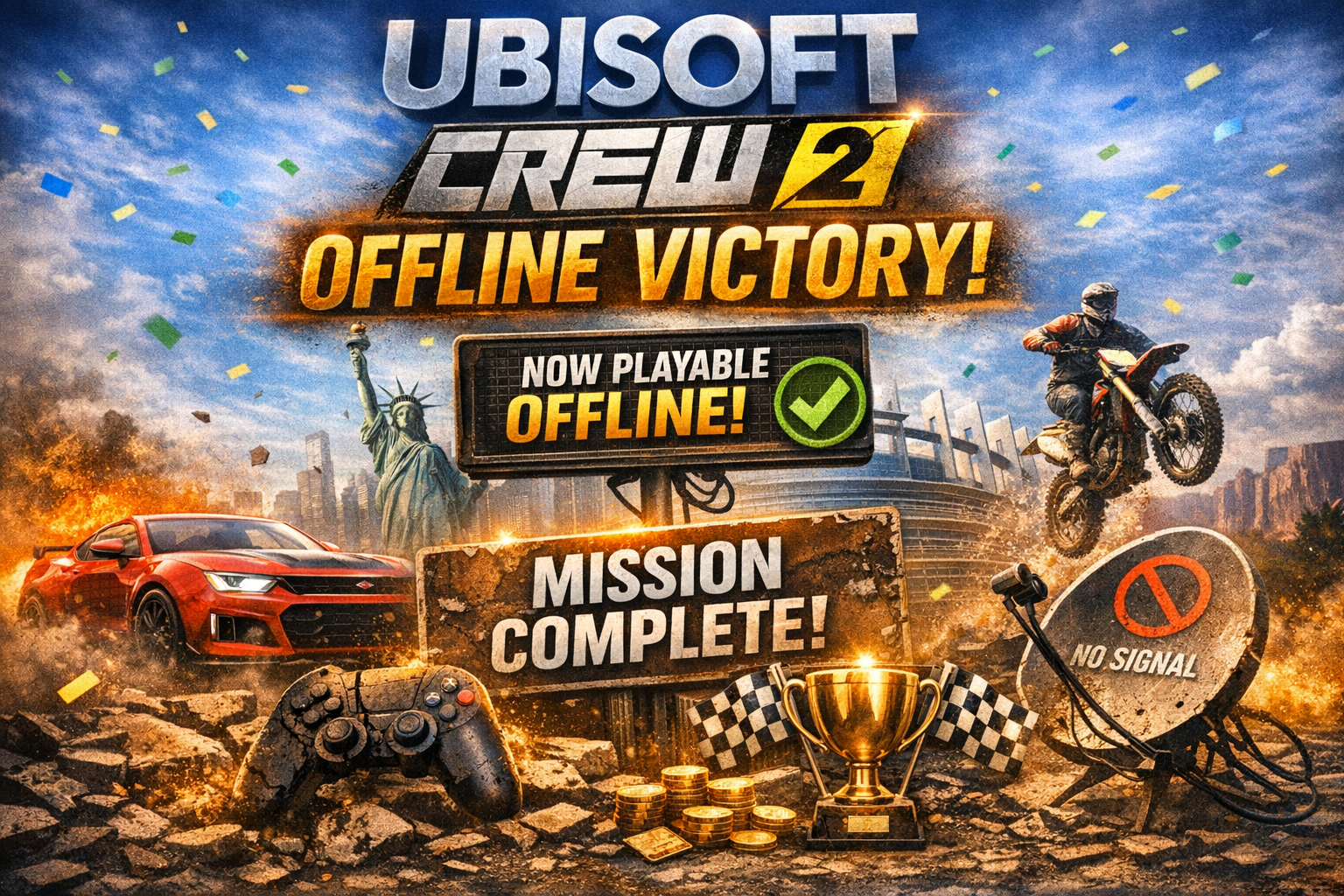
Ubisoft Backs Down: How Stop Killing Games Forced The Crew 2 to Go Offline

For the first time in years, players have seen a major publisher reverse course on an always‑online game, and it did not happen because Ubisoft suddenly became generous. It happened because the Stop Killing Games movement applied sustained pressure, gathered nearly 1.3 million signatures, and took the fight all the way to the European Parliament.

Now, Ubisoft has quietly rolled out a major update to The Crew 2, adding a hybrid offline mode that preserves the game long after servers eventually shut down. Multiple sources confirm this was not Ubisoft’s original plan, and the timing is no coincidence.

This is the movement’s biggest victory yet.

Why This Matters

For years, Ubisoft insisted that The Crew series required online connectivity for everything, even single‑player. When the original Crew was shut down, players lost access permanently. No offline mode, no fallback, no preservation.

But this time, things changed, and the reason is clear.

The EU Pressure That Forced Ubisoft’s Hand

The Stop Killing Games movement was formally heard in the EU Parliament after collecting almost 1.3 million signatures. The initiative demanded that publishers keep games playable even after support ends.

Shortly after this meeting, Ubisoft announced a new Hybrid Mode for The Crew 2 and The Crew Motorfest, allowing:

  • Full offline play
  • Offline saving of vehicle designs
  • Offline storage of player and vehicle statistics
  • Switching between online and offline without restarting

This is a complete reversal of Ubisoft’s previous stance.

Stop Killing Games Confirms the Reason

Ross Scott, the creator of the movement, stated that Ubisoft acted because of Stop Killing Games pressure, not goodwill. He claims an internal Ubisoft source confirmed the company feared the European Citizens’ Initiative might succeed and force legal consequences.

iXBT.games reports the same: Ubisoft expanded offline functionality because of pressure from the ECI, which had reached the European Parliament and threatened their previous policies.

Mundo Gamer Community echoes this, noting Ubisoft acted out of strategic fear, not voluntary preservation.

GamesRadar+ also quotes the SKG lead directly:

“This is due to pressure from Stop Killing Games early on.”

The evidence is overwhelming.

A Turning Point for Game Preservation

This victory is more than a patch. It is a precedent.

  • Ubisoft avoided another Crew 1 disaster
  • The movement proved that organised pressure works
  • Publishers now know the EU is watching
  • Offline modes are no longer “impossible”

HappyGamer calls it a “massive W” for the community, noting that Ubisoft is not known for backing down on online requirements, yet they did here.

My Thoughts

From my perspective, it feels like Ubisoft made this move to demonstrate that they can fix these issues on their own terms, without being forced into it by regulation. If the EU eventually introduces laws around game preservation, those rules would likely be far stricter than anything a publisher would choose to implement voluntarily. By adding offline and hybrid modes now, Ubisoft can point to this as proof that they are capable of addressing player concerns without government intervention. It comes across as a strategic move, a way to stay ahead of potential legislation by showing that they are willing to act before being compelled to do so.

What Happens Next

This win shows that:

  • Publishers can preserve games
  • Offline modes can be added
  • Pressure does work
  • The EU is paying attention

The Stop Killing Games movement is gaining momentum, and Ubisoft’s reversal proves that even the biggest companies will change when the threat of regulation becomes real.

This is not the end. It is the beginning of a new phase in the fight for digital ownership.

Until next time, stay sharp and keep gaming, Panda out.

References

  • Mein-MMO.de, 2026. Gamers are putting heavy pressure on the EU, now Ubisoft is bringing a dead game back.
  • iXBT.games, 2026. Ubisoft Backed Down: Stop Killing Games Achieved a Major Victory.
  • Mundo Gamer Community, 2026. Ubisoft strengthens offline mode of The Crew 2 under pressure.
  • HappyGamer, 2026. The Crew 2 Gets Offline Mode as Stop Killing Games Wins Big.
  • GamesRadar+, 2025. As Ubisoft makes The Crew 2 playable offline, Stop Killing Games lead takes a moment to celebrate.

Leave a comment »

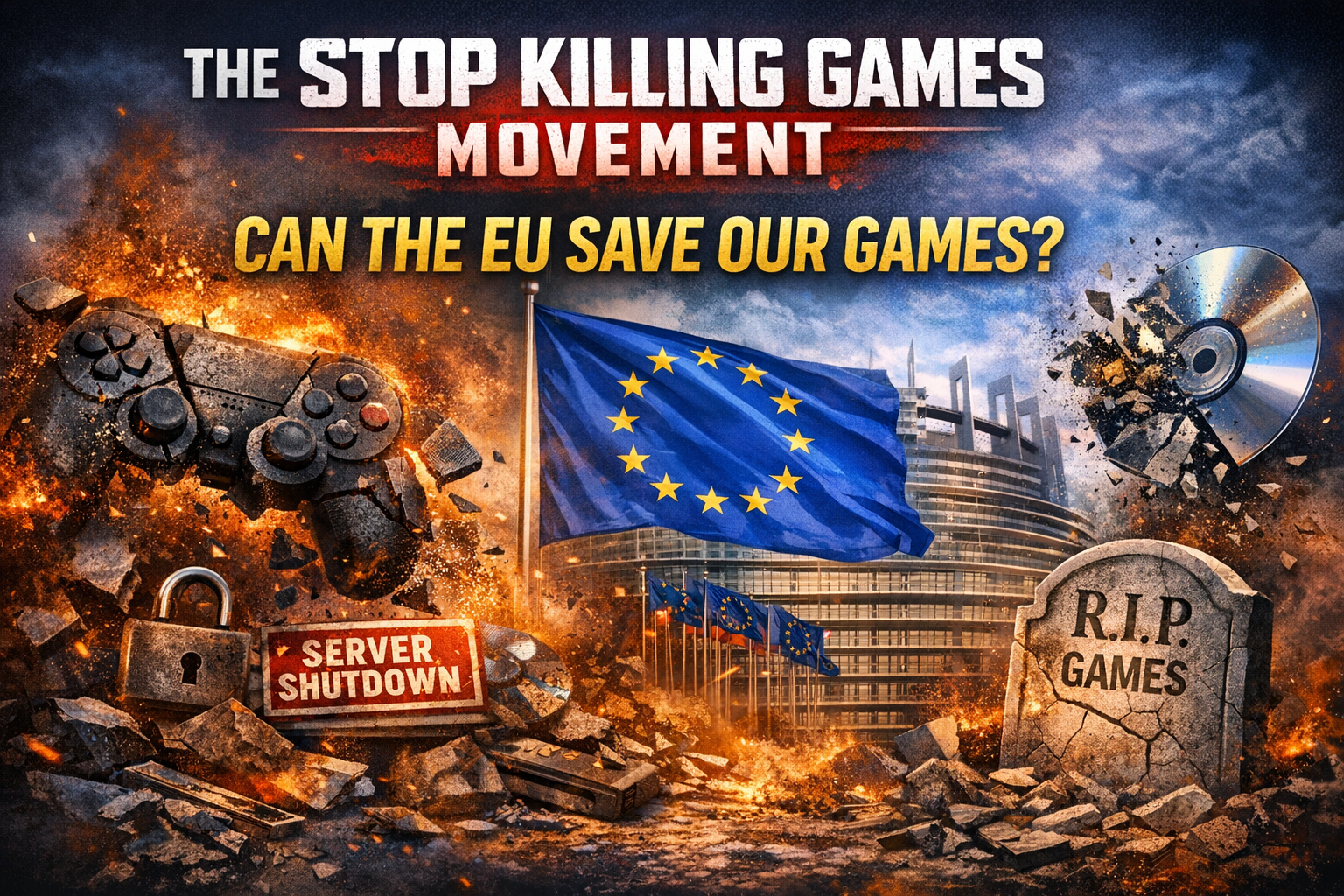
The Stop Killing Games Movement: Why It Matters, and How the EU Is Responding

Over the past year, players have watched a worrying trend accelerate across the games industry: online‑only titles being shut down permanently, single‑player games rendered unplayable due to server checks, and purchased content disappearing without warning. High‑profile shutdowns, including games that were only a year or two old, pushed many players to a breaking point.

But the moment that truly ignited the movement was Ubisoft’s decision to shut down The Crew (2014). Despite being a paid game with an active community, Ubisoft delisted it from all storefronts and later shut down the servers, rendering the entire game, including single‑player, completely unplayable. No offline mode, no preservation patch, no way for owners to access what they paid for. For many players, this was the moment that proved the industry had crossed a line, and it became the rallying cry that propelled the Stop Killing Games movement into the public spotlight.

What began as a grassroots pushback has now reached the desks of EU officials, and for the first time, a major governing body is openly examining whether consumer protection laws need to evolve to keep up with the modern games industry.

This isn’t just noise anymore. It’s becoming policy discussion.

But where does the movement stand today? And what is the EU actually saying in response?

Let’s break it down.

What the Movement Is Fighting Against

The Stop Killing Games movement argues that the industry has shifted into a dangerous pattern:

  • Games being shut down after only a year or two
  • Online‑only DRM making single‑player titles unplayable
  • Delisted games disappearing forever
  • Purchased content being removed
  • Live‑service titles being abandoned with no fallback mode
  • No legal requirement for publishers to keep games functional

The core message is simple:

If you buy a game, you should be able to play it, even if the servers go offline.

This resonates with players because it’s rooted in fairness. But it also raises complex legal and technical questions.

The Movement’s Most Powerful Arguments, And Why They Hit Hard

One of the reasons the Stop Killing Games movement gained so much traction is because it highlights something most players never stop to think about: video games are the only major entertainment medium where a company can legally take away something you paid for.

The movement uses several strong comparisons to make this point clear:

1. Books don’t disappear from your shelf

If you buy a book, physical or digital, the publisher cannot:

  • revoke it
  • delete it
  • make it unreadable
  • shut it down

Once you’ve bought it, it’s yours.

2. Films don’t stop working after a few years

If you buy a Blu‑ray or a digital film, the studio cannot:

  • disable playback
  • remove scenes
  • shut down the servers required to watch it

Even streaming services don’t delete films you’ve purchased.

3. Music doesn’t become unplayable because a server goes offline

If you buy an album, the label can’t:

  • revoke your license
  • remove tracks
  • make the file stop working

Music preservation is legally protected.

4. Even software industries have fallback protections

Professional software often includes:

  • offline modes
  • perpetual licenses
  • compatibility patches

Games, by contrast, can be rendered useless overnight.

Why Games Are Treated Differently, And Why That’s a Problem

The movement argues that games are the only digital product where:

  • a company can shut down a server
  • and instantly destroy the product you paid for
  • with no legal obligation to provide a fallback

This is the core injustice the movement highlights.

And it’s exactly this comparison that caught the attention of EU officials.

The EU Has Officially Acknowledged the Issue

The movement gained enough traction that the European Commission was formally petitioned, and they responded.

Thierry Breton, EU Internal Market Commissioner, stated:

“Consumers must have access to the digital content they have purchased. If a game is no longer supported, companies must ensure that users can continue to enjoy what they paid for.”

This is one of the strongest statements yet from a major regulator. It aligns almost perfectly with the movement’s goals.

But the EU’s stance isn’t entirely one‑sided.

The EU’s Position: Supportive, But Cautious

The European Commission has made it clear they are examining the issue, not legislating it, at least not yet.

In their official response:

“The Commission is aware of concerns regarding the preservation of digital games and the discontinuation of online services. We are examining whether current consumer protection rules adequately address these situations.”

This is supportive, but measured. They’re acknowledging the problem, not promising sweeping regulation.

Why the caution?

Because the EU has to balance:

  • consumer rights
  • developer freedom
  • technical feasibility
  • preservation laws
  • cross‑border digital markets

They can’t simply force publishers to keep servers online forever. But they can explore requirements like:

  • offline modes
  • patches to keep games functional
  • legal preservation exemptions
  • clearer consumer rights for digital goods

And that’s exactly what they’re doing.

What EU Parliament Members Are Saying

Several MEPs have spoken publicly about digital goods and consumer rights, not always directly about games, but in ways that apply perfectly to this issue.

MEP Kim van Sparrentak (Greens/EFA):

“We cannot allow companies to sell digital products that can be taken away at any moment. This undermines consumer trust.”

MEP Brando Benifei (S&D):

“If a product is sold, it must remain usable. This principle must apply to digital products just as it does to physical ones.”

IMCO Committee (Internal Market):

“When consumers buy a product, they expect it to remain functional. Digital goods should not simply disappear.”

These statements show a clear trend: The EU is leaning toward the movement’s side, at least philosophically.

But again, philosophy isn’t legislation.

Is There Any Pushback Against the Movement?

Here’s the balanced view.

1. The EU has not criticised the movement directly.

There are no public EU statements against Stop Killing Games.

2. The pushback is structural, not ideological.

The EU’s concerns are about:

  • how to enforce preservation
  • who pays for it
  • whether offline modes are technically possible
  • how to regulate global publishers
  • avoiding over‑regulation of creative industries

3. Publishers themselves have been mostly silent.

They haven’t publicly opposed the movement, but their actions (shutting down games, delisting titles, using online DRM) speak louder than words.

So the “opposition” isn’t vocal. It’s practical.

Where Things Stand Today

Here’s the honest, factual picture:

The Movement

  • Loud
  • Organised
  • Growing
  • Clear in its demands
  • Supported by players and preservationists

The EU

  • Acknowledges the issue
  • Has responded officially
  • Is reviewing consumer protection laws
  • Has expressed support for the underlying principles
  • Has not drafted legislation yet
  • Is cautious about feasibility and scope

Publishers

  • Not publicly engaging
  • Continuing business as usual
  • Likely waiting to see if regulation becomes real

This is not a fight with two equal sides. It’s a movement pushing hard, and a regulator cautiously listening.

Why This Matters for the Future of Games

If the EU eventually regulates this area, even lightly, it could reshape the industry:

  • Games may be required to include offline modes
  • Publishers may need to provide “sunset patches”
  • Delisted games may need preservation pathways
  • Consumers may gain stronger digital rights
  • Subscription services may face new rules
  • DRM practices may be restricted

And because global publishers rarely build region‑specific versions, EU rules often become global standards.

This is why the movement is focusing so heavily on the EU. It’s the one body with the power to force industry‑wide change.

Final Thoughts

The Stop Killing Games movement has done something rare: It has pushed a major governing body to publicly acknowledge a problem the industry has ignored for years.

The EU isn’t promising sweeping reform, not yet. But they’re listening, they’re reviewing, and they’re quoting principles that align strongly with the movement’s goals.

The balance right now looks like this:

  • The movement is loud and clear.
  • The EU is cautiously supportive.
  • Publishers are silent but watching.

Whether this becomes real legislation or remains a political conversation depends on what happens next, but for the first time, players aren’t shouting into the void.

They’re being heard.

Until next time, stay sharp and keep gaming, Panda out.

References

  • Hore, J., 2024. Stop Killing Games Receives Support From Politicians in European Parliament Hearing. Gaming News.
  • European Commission, 2024. Stop Destroying Videogames — European Citizens’ Initiative (ECI) Registration & Objectives.
  • Peq42, 2024. Stop Killing Games MASSIVE W with New Legislation and EU Hearings. Peq42 Gaming Blog.
  • Mankar, S., 2024. Stop Killing Games Reaches European Parliament: Everything That Was Said at the Brussels Hearing. Gaming Amigos.
  • Reynolds, O., 2024. “It Will Have A Chilling Effect On Game Design” — EU Group Responds to Stop Killing Games. Nintendo Life.
  • Ubisoft, 2024. The Crew (2014) Server Shutdown and Delisting Announcement. Ubisoft Support Communications.

Leave a comment »

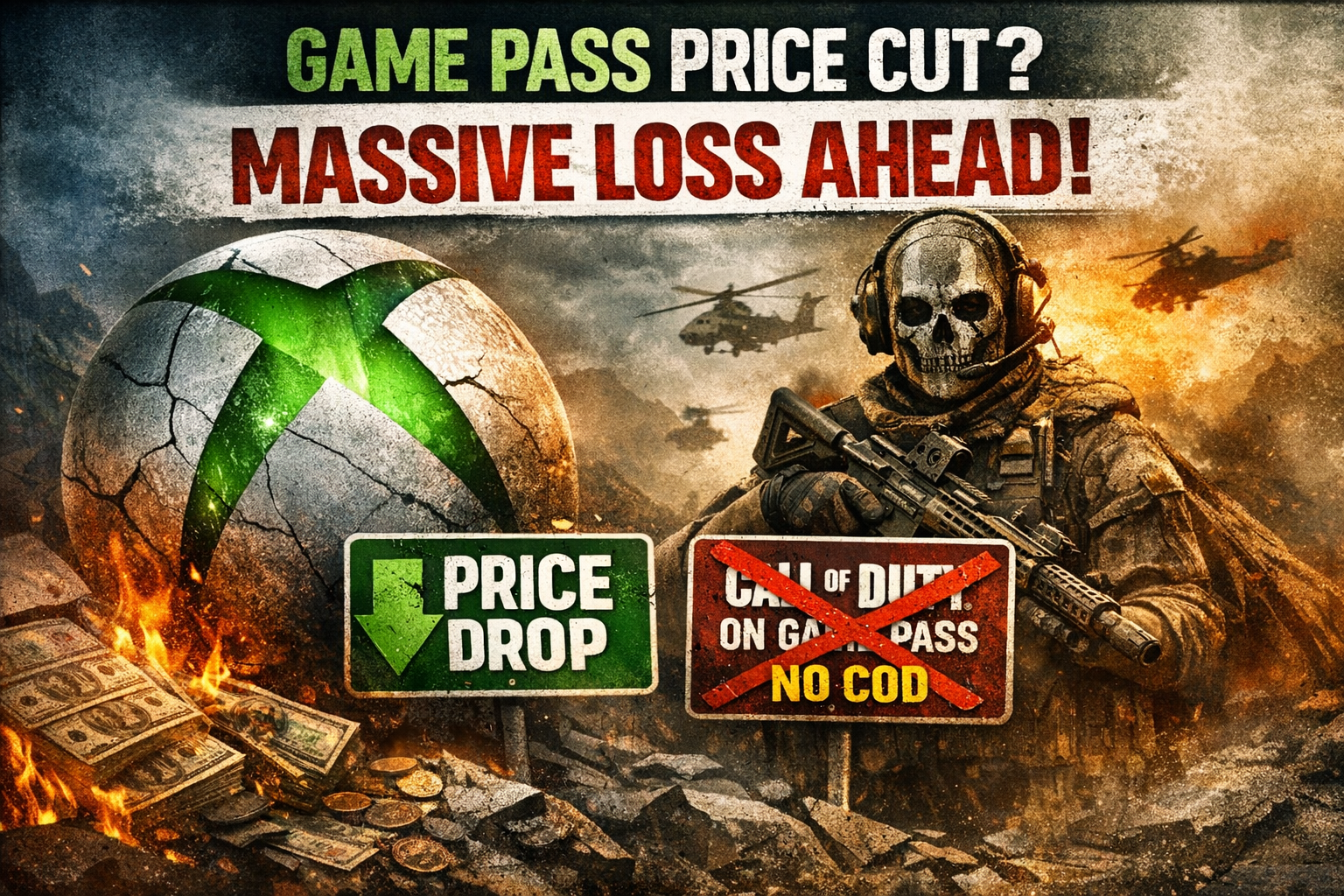
Xbox’s Game Pass Price Cut Is a Massive Loss Disguised as a Win

Xbox has announced several major changes to Game Pass all at once, a price reduction, new subscription tiers, and the confirmation that future Call of Duty titles will no longer launch Day One on Game Pass. Even though these announcements were delivered together, the overall message is clear: this is a massive loss cleverly disguised as a win.

The price cut looks good on the surface. But the value cut underneath it is far bigger.

The Price Drop Is Welcome, But It Doesn’t Balance the Loss

Cheaper Game Pass is always going to sound positive. Nobody is going to complain about paying less.

But when that “win” is paired with the removal of Day One Call of Duty releases, the entire value proposition collapses for a huge portion of the audience. Call of Duty has been one of the biggest reasons people stay subscribed, especially after Microsoft acquired Activision Blizzard.

Removing Day One access isn’t a minor tweak. It’s a fundamental shift in what Game Pass offers.

And speaking personally, I didn’t agree with the last Game Pass price increase at all, it pushed me to cancel my subscription entirely. If that rise was already too much, this new change makes the service even harder to justify.

COD‑Only Players Will Cancel in Massive Numbers

A huge part of the Call of Duty community plays only Call of Duty. They don’t browse the Game Pass library. They don’t jump between genres. They don’t care about monthly rotations.

They buy COD. They play COD. That’s their entire gaming loop.

With future Call of Duty titles no longer included on Day One, those players now have no reason to keep paying for Game Pass. Why would they pay a subscription and pay full price for Call of Duty when all they’re going to do is play Call of Duty?

This is where the real damage hits:

  • Game Pass loses a massive chunk of recurring subscribers
  • Engagement drops
  • The service becomes less appealing overall

Even with the price cut, the value for COD‑only players is effectively gone.

Not Everyone Plays COD, But Xbox Still Loses Potential Players

It’s true that many Game Pass users don’t play Call of Duty at all, and for them, this change won’t affect their daily experience.

But there’s another group Xbox is now losing:

Players who would have tried Call of Duty simply because it was included in Game Pass.

These aren’t hardcore COD fans. They’re the curious players, the ones who wouldn’t buy COD outright, but absolutely would play it if it were included at no extra cost.

By removing Day One access:

  • Xbox loses those “try it because it’s included” players
  • COD loses potential new fans
  • Engagement drops across both the game and the platform

Game Pass used to grow COD’s audience. Now it won’t.

The Loss of Xbox Exclusives Devalues Game Pass Even Further

Another major factor that can’t be ignored is the complete collapse of Xbox exclusivity. With Xbox now releasing its first‑party titles on PlayStation, Switch, and PC, the platform no longer has the unique selling point it once did.

And when exclusives disappear:

  • Game Pass loses its identity
  • The Xbox ecosystem loses its purpose
  • There’s no “must‑own” reason to stay subscribed
  • The value of the subscription becomes even harder to justify

Game Pass was originally built on the promise of exclusive Xbox titles launching Day One. Now those exclusives don’t exist, and the biggest third‑party draw, Call of Duty, is no longer Day One either.

The service is losing value from every direction.

The Activision Blizzard Purchase Forced This Shift

We always knew that buying Activision Blizzard would force a major shift in how Game Pass operates. A $69 billion acquisition doesn’t come without consequences.

And in many ways, this move proves it.

The purchase has put Xbox in a position where every possible direction creates financial problems:

  • If COD goes on Game Pass Day One → Microsoft loses billions in guaranteed sales
  • If COD stays off Game Pass Day One → Game Pass loses subscribers
  • If Game Pass prices rise → more cancellations
  • If Game Pass prices fall → revenue drops further
  • If exclusives go multiplatform → Game Pass loses its unique value

There is no winning path here, only different types of losses.

This isn’t an exaggeration. It’s the financial reality of absorbing a franchise as big as Call of Duty into a subscription model that can’t sustain it.

Expect Call of Duty Prices to Rise

With Game Pass no longer cannibalising COD sales, Microsoft has every incentive to push players back into buying the game outright. And once that becomes the norm again, price increases become easier to justify.

The pattern is predictable:

  • COD isn’t included in Game Pass
  • COD players must buy the game
  • COD becomes a premium product again
  • Prices rise to “offset” subscription losses

This isn’t speculation, it’s the logical financial outcome.

Game Pass Could Rise in Price Again Later

Even though Game Pass is cheaper today, that doesn’t mean it will stay that way.

If COD‑only players cancel, and they will, Xbox loses a huge amount of predictable monthly revenue. To make up for that, Microsoft may eventually raise Game Pass prices again or restructure tiers to recapture the lost income.

The announcements weren’t suspicious, but they were strategic. Xbox packaged the good and the bad together, but the long‑term consequences remain unchanged.

This Hurts Xbox More Than It Helps

When you look at the full picture, the direction becomes obvious:

  • Game Pass loses one of its biggest annual draws
  • COD players cancel their subscriptions
  • Xbox loses recurring revenue
  • COD becomes more expensive
  • Game Pass may eventually become more expensive again
  • Xbox loses potential COD players who would have tried it through Game Pass
  • Xbox exclusives no longer exist, removing another pillar of value
  • The Activision Blizzard purchase forces Xbox into a no‑win financial position
  • Even existing subscribers like me have already cancelled due to previous price hikes

This isn’t a strengthening move. It’s a defensive one. And it weakens the ecosystem.

Final Thoughts

Even though all the announcements were made at the same time, the outcome is still the same: this is a massive loss disguised as a win. Removing Day One Call of Duty access guts the value of Game Pass for millions of players, and the long‑term impact could be severe. Xbox may have lowered the price today, but the real cost will show up over the next year in cancellations, lost potential players, the collapse of exclusivity, revenue gaps, and inevitable pricing adjustments.

This move doesn’t build the Xbox ecosystem. It undermines it. And players will feel the effects first.

Until next time, stay sharp and keep gaming, Panda out.

Leave a comment »

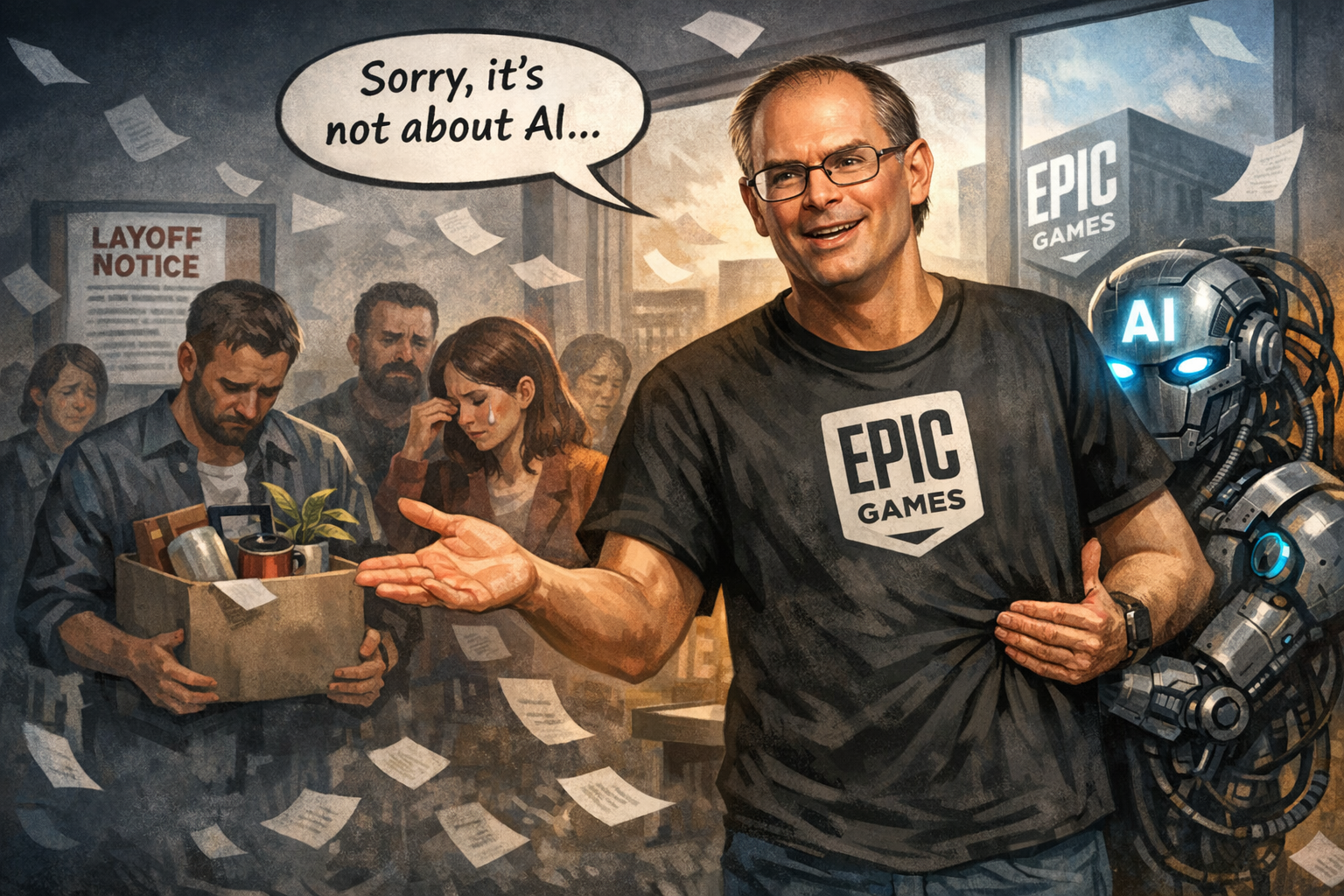
Epic Games Swings the Axe Again, And Tim Sweeney Wants You to Believe It’s Not About AI

Epic Games has once again decided that the best way to “secure the future” of the company is to cut loose the very people who built it. Another round of layoffs, another round of corporate doublespeak, and another round of Tim Sweeney insisting that everything is fine, nothing is AI‑related, and definitely don’t look too closely at the direction Epic has been heading.

At this point, it’s hard not to feel like we’ve seen this movie before, and the ending never changes.

The Official Story: “Not AI‑Related”

Sweeney claims these layoffs have nothing to do with AI. According to him, this is all about “restructuring,” “efficiency,” and “focusing on core priorities.” It’s the same vague corporate language every tech CEO deploys when they want to sound responsible while doing something deeply irresponsible.

But here’s the problem: Epic has been loudly, aggressively pro‑AI for years. Sweeney has repeatedly championed AI as the future of content creation, game development, and even moderation. He’s positioned Epic as a company that wants to automate more, not less. And now, suddenly, when hundreds of people lose their jobs, we’re supposed to believe AI isn’t part of the equation.

It’s a convenient narrative, and a deeply unconvincing one.

A New Low: Telling Steam Not to Label AI‑Generated Content

If there’s one moment that really exposes Sweeney’s stance, it’s his recent criticism of Steam for requiring developers to disclose when their games use AI. Steam’s approach is simple: if AI is in your game, players deserve to know. Transparency matters.

Sweeney’s response? He argued that AI will be “in everything,” so labeling it is pointless.

That’s not just dismissive, it’s morally wrong.

There are countless players, developers, artists, and industry workers who do not support AI‑generated content, especially when it replaces human labour or is trained on unlicensed work. Many people want to avoid AI‑heavy games entirely. They want the choice. They want honesty.

Sweeney’s stance effectively encourages companies to hide AI usage, bury it, or treat it as something players don’t deserve to know about. That’s not leadership. That’s evasion. And it reinforces the idea that Epic is not interested in transparency, only in control.

Epic’s Layoffs in Context: A Brutal Industry Trend

Epic’s latest cuts reportedly affect hundreds of employees, adding to the over 10,000+ layoffs across the gaming industry in the last year alone. Studios big and small, from indie darlings to major AAA publishers, have been slashing staff at a pace the industry hasn’t seen in decades.

And let’s be honest: this probably isn’t the last time Epic swings the axe this year. The company’s direction, spending habits, and obsession with automation make further cuts feel less like a possibility and more like an inevitability.

Epic’s Financial Reality Makes This Even Worse

What makes these layoffs sting even more is that Epic isn’t some struggling startup fighting for survival. Fortnite still generates staggering revenue. Unreal Engine licensing remains one of the most powerful tools in the industry. Epic continues to pour money into legal battles, acquisitions, and metaverse experiments.

So when they claim they “have to” cut staff, it’s hard to take seriously.
This isn’t about survival, it’s about priorities. And clearly, human workers aren’t one of them.

The Hypocrisy of “Championing Creators” While Undermining Them

Epic loves to brand itself as the company that supports creators:

  • Creator Codes
  • UEFN
  • Royalty‑free licensing
  • Marketplace opportunities

But layoffs, AI evangelism, and pushing for hidden AI usage directly contradict that image. You can’t claim to empower creators while simultaneously reducing the number of actual creators on your payroll.

It’s a marketing slogan, not a philosophy.

The Ripple Effect on Unreal Engine Developers

Epic’s decisions don’t just affect Epic. They affect:

  • Thousands of studios using Unreal
  • Marketplace creators
  • Technical artists relying on engine support
  • Indie teams who depend on documentation and bug fixes

When Epic cuts staff, the entire ecosystem feels it. Bugs linger longer. Support slows down. Marketplace curation weakens. The people who rely on Unreal to make a living are left wondering whether the tools they depend on will still be properly supported.

The Human Cost Gets Buried Every Time

What gets lost in all of this, deliberately, I’d argue, is the human impact. These aren’t abstract “roles” being eliminated. These are artists, programmers, QA testers, community managers, and support staff who kept Fortnite running, kept Unreal Engine evolving, and kept Epic relevant.

And the job market they’re being thrown into? It’s brutal.

With thousands of developers all competing for the same shrinking pool of roles, finding a replacement job has become incredibly difficult. People are burning through savings, relocating, switching industries, or leaving game development entirely, not because they want to, but because they have no choice.

I genuinely feel sorry for every single person who’s been caught in this wave. They deserved better than this.

The Fear Developers Now Have About AI Replacing Them

Sweeney’s comments about AI being “in everything” don’t just sound dismissive, they fuel real fear. Developers are already anxious about automation replacing their roles. When a CEO openly downplays transparency and pushes for AI adoption while simultaneously laying off staff, it sends a clear message:

Your job isn’t safe. Your skills aren’t valued. And your concerns don’t matter.

That’s the environment Epic is helping create.

The Long‑Term Damage to the Industry

This constant cycle of layoffs is draining the industry of senior talent. Juniors can’t get hired. Studios are burning out the remaining staff. Creativity suffers when teams are terrified of being next.

Epic isn’t just reacting to the industry, they’re contributing to its decline.

Epic Wants Control, Over Creators, Over Platforms, Over the Future

Sweeney’s obsession with forcing the Epic Launcher onto everyone is part of the same mindset that leads to layoffs like this. It’s about control. Control of distribution. Control of revenue. Control of the narrative.

AI fits neatly into that worldview. It’s cheaper, it’s compliant, and it doesn’t ask for healthcare or a livable wage.

So when Sweeney says these layoffs aren’t AI‑related, it rings hollow. Maybe AI didn’t directly replace these workers today, but Epic’s long‑term strategy makes it clear where the company is heading.

The Bottom Line

Epic Games wants to present itself as a champion of creators, a rebel fighting the big bad platform holders, a visionary company building the future of interactive entertainment.

But when you peel back the PR, what you see is a company that:

  • Cuts staff while investing heavily in automation
  • Pushes unwanted platforms onto players
  • Makes decisions that benefit executives, not employees
  • Encourages companies to hide AI usage instead of being transparent
  • Undermines the very creators it claims to support
  • Damages the wider Unreal ecosystem with every round of cuts

Tim Sweeney can say whatever he wants about these layoffs. But actions speak louder than statements, and Epic’s actions tell a very different story

If people are replaced instead of empowered, the entire economic engine breaks down. No workers means no wages. No wages means no spending. No spending means no customers. And without customers, even the most “efficient” companies collapse. It’s a truth more people need to recognise, because if we keep heading down this path, that future isn’t hypothetical, it’s inevitable.

Until next time, stay sharp and keep gaming, Panda out.

Leave a comment »

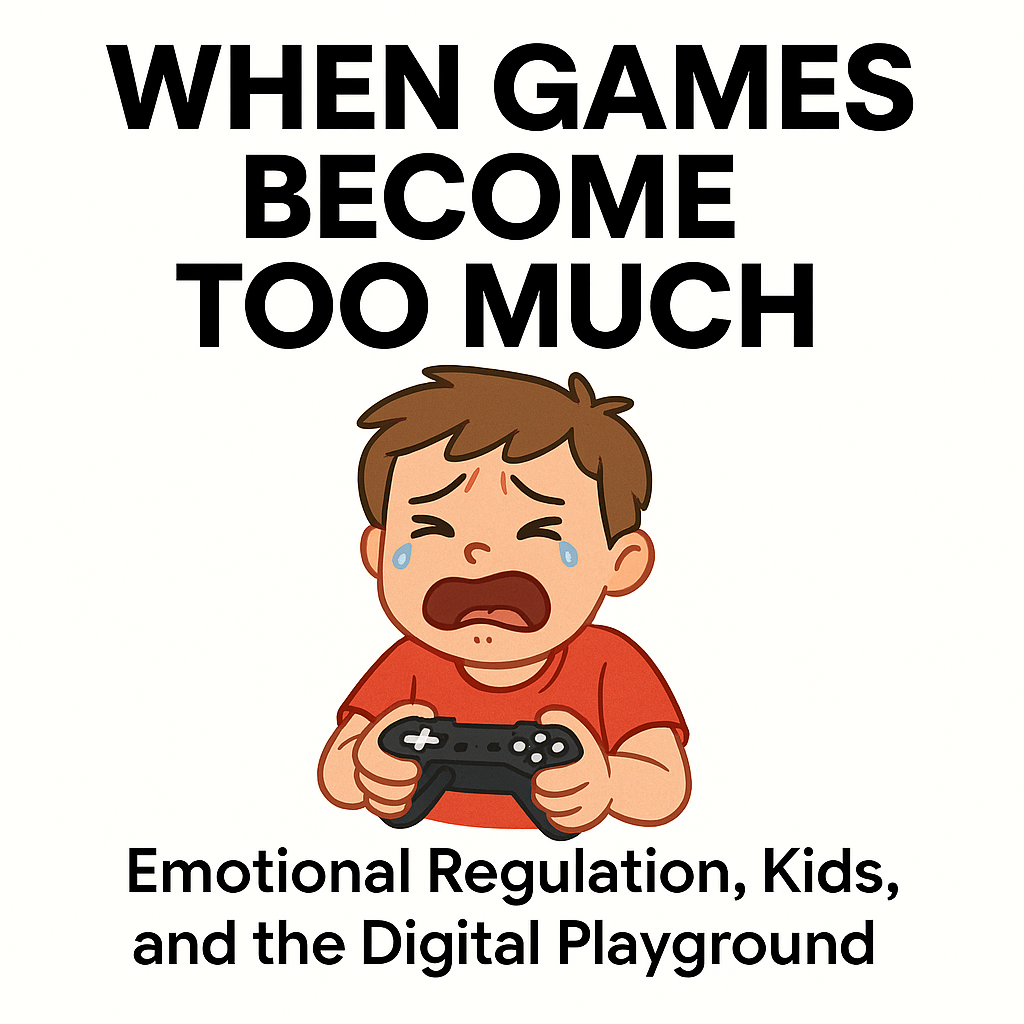
When Games Become Too Much: Why Emotional Regulation Matters for Young Gamers

This week I found myself dealing with a situation that, unfortunately, is becoming far too common in the world of children’s gaming. My son was playing Steal the Brain Rot on Roblox, a game literally built around the idea of taking items from each other. He stole a brain rot, exactly as the game intends, and his friend had a complete emotional meltdown. Not frustration. Not disappointment. A full‑scale breakdown.

It escalated so much that the friend’s dad actually phoned my son to tell him off and demand he give the item back.

And that’s where I draw a line.

When Adults Cross Boundaries

Let me be clear:
It is not appropriate for an adult to directly call another person’s child to tell them off.

If there’s an issue that genuinely needs addressing, the first point of contact should always be the child’s parent. That’s basic respect, and it models healthy conflict resolution. When adults bypass parents and confront children directly, it creates confusion, pressure, and unnecessary tension, especially when the issue is over a game designed around competition and stealing items.

Before escalating, it’s worth asking:

  • Is this truly serious?
  • Is this about safety, or just discomfort?
  • Is this an opportunity for the child to learn resilience?

Most of the time, it’s not worth turning a digital disagreement into real‑world drama.

Why Kids React So Intensely to Games

Children aren’t overreacting “for no reason.” Their brains are still developing the skills needed to manage big emotions. Games, especially fast‑paced online ones, can trigger intense feelings because:

  • Digital losses feel real to them
  • Their impulse control is still developing
  • They struggle to separate in‑game events from real‑life relationships
  • Social pressure in multiplayer games amplifies emotions
  • The pace of online play doesn’t give them time to regulate

So when something unexpected happens, like losing an item, being outplayed, or having something “stolen”, their emotional system can go into overdrive.

This isn’t bad behaviour. It’s a sign of where they are developmentally.

Games Aren’t the Problem, Emotional Regulation Is

Games are meant to be fun. They’re meant to challenge, entertain, and teach kids how to handle winning, losing, unpredictability, and other people not doing exactly what they want. These are healthy experiences.

But when a child becomes so overwhelmed by a digital moment that they can’t cope, to the point of distress, panic, or rage, the issue isn’t the game. It’s the emotional skills required to handle it.

Even the simplest games involve:

  • Losing
  • Competition
  • Setbacks
  • Unpredictable outcomes
  • Other players making their own choices

If a child can’t tolerate those things without spiralling, then they may not be emotionally ready for that game yet.

When Parents Step In, the Lesson Changes

What concerns me even more is when parents intervene to “fix” the game for their child. When adults demand items back, scold other children, or try to control the outcome, they unintentionally teach their child that:

  • Discomfort must be avoided at all costs
  • Losing is unacceptable
  • Emotional outbursts get results
  • Other people must change to keep them happy

Those lessons don’t stay in the game. They spill into friendships, school, and eventually adulthood.

Games can teach resilience, but only if we let them.

Teaching Kids How to Handle Conflict Online

Instead of stepping in to control outcomes, we can use these moments to teach children how to navigate conflict:

  • Taking a break when emotions run high
  • Using calm language to express frustration
  • Understanding that losing is part of play
  • Recognising when a game isn’t fun anymore
  • Knowing when to walk away from unhealthy dynamics

These skills matter far beyond gaming.

Parents Model Emotional Behaviour Too

Children learn how to react by watching us.

If adults explode over a game, demand items back, or lash out at other children, kids absorb that behaviour. They learn that:

  • Games are high‑stakes
  • Losing is catastrophic
  • Adults will fix everything for them
  • Emotional outbursts are justified

But when adults stay calm, set boundaries, and treat games as learning opportunities, children follow that lead.

Setting Boundaries Isn’t Punishment, It’s Parenting

I’ve had to make these decisions in my own home. I’ve seen my son have emotional breakdowns over certain games too. And when that happens, I don’t blame the game or the other players. I simply tell him he’s not ready for that particular game yet.

He can try again when he’s calmer, older, or better able to handle the emotional ups and downs that come with it.

I’ve also told him not to play certain games with certain friends, not because anyone is “bad,” but because the emotional dynamic between them isn’t healthy. If another child consistently has outbursts, or if the play always ends in tears, arguments, or stress, then it’s my responsibility to step in and protect my son’s emotional wellbeing.

Sometimes the healthiest boundary is simply:
“This game isn’t right for you two right now.”

And that’s okay.

If a Game Causes Distress, It’s a Sign, Not a Battle

Here’s the truth I’ve come to:
If a child is so emotionally overwhelmed by a game that it causes meltdowns, arguments, or distress, then they shouldn’t be playing that game yet.

Not as punishment. Not as judgement. Simply because their emotional development isn’t aligned with the emotional demands of that environment.

It’s our job as parents to help them build those skills gradually, not to bend the world around them so they never have to.

Games Should Be a Safe Space to Learn, Not a Source of Crisis

When handled well, games can teach patience, problem‑solving, teamwork, and emotional control. They can help kids learn to lose gracefully, try again, and understand that setbacks aren’t the end of the world.

But when a game becomes a source of panic or rage, it stops being a learning tool and starts being a trigger.

As parents, we need to recognise the difference.

Sometimes the best thing we can do is step back, set boundaries, and help our children develop the emotional resilience they need, so that when they do return to the game, they can actually enjoy it.

Signing Off

At the end of the day, games should bring joy, connection, and learning, not stress, conflict, or emotional overwhelm. As parents, we can’t control every moment our children experience, but we can guide them, support them, and set boundaries that help them grow into resilient, emotionally balanced young people. If we stay calm, stay involved, and stay aware of what our kids are experiencing online, we give them the tools they need to enjoy gaming in a healthy way.

Thanks for reading, and here’s to raising kids who can play, learn, lose, win, and grow with confidence

Until next time, stay sharp and keep gaming, Panda out.

Leave a comment »

EA Shuts Down Cliffhanger Games: Impact on Black Panther

Image – Black Panther/EA

Electronic Arts has once again made headlines for its corporate restructuring, this time shutting down Cliffhanger Games, the studio behind the upcoming Black Panther game. This unexpected closure has raised concerns about EA’s long-term strategy and its impact on creative independence in the gaming industry.

The Rise and Fall of Cliffhanger Games

Cliffhanger Games was founded by EA with a bold mission: to deliver a single-player, open-world Black Panther experience. The game, set in Wakanda, was expected to bring deep storytelling, rich world-building, and innovative mechanics celebrating the legacy of the character. However, despite early excitement, EA’s decision to shut down the studio has put the project, and its developers, in jeopardy.

Why Did EA Close Cliffhanger Games?

While EA has yet to provide a detailed explanation, industry insiders speculate the closure is part of the company’s broader cost-cutting measures. EA has been aggressively restructuring over the past year, focusing on profitable live-service games while cutting projects that don’t fit into that model. As a result, narrative-driven single-player experiences, like the Black Panther game, are increasingly at risk.

Another possible factor? Disney’s involvement. Given Marvel’s stringent licensing agreements, the game may have faced complex business negotiations, leading EA to abandon the studio before development costs escalated.

Alongside the studio closure, EA reportedly laid off fewer than 300 employees, including staff from Cliffhanger Games, mobile divisions, and central teams. While EA claims these changes will “sharpen their focus,” the layoffs signal a continued trend of cutting smaller studios in favor of larger live-service projects.

The Industry Trend: Is Single-Player Dying?

Despite concerns that major publishers are shifting toward live-service models, single-player games continue to prove their value with record-breaking success stories.

Take Baldur’s Gate 3, for example. Larian Studios’ RPG dominated Game of the Year awards, sold millions of copies, and demonstrated that deep, narrative-driven experiences still resonate with players. Similarly, Expedition 33 has been praised for its immersive storytelling and strategic gameplay, reinforcing the demand for high-quality single-player titles.

Beyond these, other recent hits include:

  • Elden Ring: Nightreign – The latest expansion has already surpassed 3.5 million sales, proving FromSoftware’s single-player formula remains a powerhouse.
  • Phantom Blade Zero – Developers argue that single-player success benefits the entire genre, as players move from one great experience to another.
  • Black Myth: Wukong – A highly anticipated single-player action RPG that has generated massive hype and pre-orders.
  • New Dungeons & Dragons RPG – Wizards of the Coast is investing in a new single-player action-adventure, signaling confidence in the genre’s future.

EA’s Past Stance on Single-Player Games

EA has historically been skeptical about single-player experiences, at one point claiming that players no longer wanted them and that live-service games were the future. This stance led to the closure of several studios focused on narrative-driven titles, including Visceral Games, which was working on a Star Wars project before EA shut it down.

However, EA has since attempted to walk back these statements, acknowledging that single-player games remain an important part of its portfolio. Despite this, the company’s continued focus on live-service models suggests that single-player titles may still be at risk within its ecosystem.

Industry-Wide Layoffs & Publisher Strategies

EA isn’t alone in restructuring. Over the past few years, Ubisoft, Activision Blizzard, and Embracer Group have all faced layoffs, cancelled projects, and major studio closures. Many of these cuts have targeted single-player development, signaling a broader shift toward monetized live-service models and recurring revenue streams.

However, these decisions haven’t always been well received. Players continue to demand high-quality, standalone experiences, proving that gaming isn’t purely about microtransactions and seasonal updates.

Impact on Developers & Studio Culture

EA’s closure of Cliffhanger Games doesn’t just affect the Black Panther project, it disrupts the careers of hundreds of developers. With this latest round of layoffs affecting nearly 300 staff members, many developers now face uncertainty. However, history has shown that former EA employees often go on to create successful independent studios, offering a creative refuge outside the constraints of corporate decision-making. For example:

  • Ex-Visceral Games developers later worked on hit titles like The Callisto Protocol and other independent horror projects.
  • BioWare veterans formed Yellow Brick Games, focusing on immersive, player-first storytelling.

EA’s restructuring may lead to new independent studios, but it also reinforces concerns that AAA publishers are stifling creative freedom in favor of predictable financial returns.

What Happens to the Black Panther Game?

With Cliffhanger Games shuttered, the future of EA’s Black Panther project is unclear. Based on EA’s past cancellations, the game could face several outcomes:

  1. Transferred to Another Studio – EA may move development to Motive Studios or Respawn Entertainment, which have experience with narrative-driven titles.
  2. Revived in Another Form – The game could be scaled down and repurposed into a live-service Marvel project.
  3. Permanently Cancelled – If EA determines the financial risk is too great, the game could end up scrapped entirely, similar to Star Wars 1313.

Without official confirmation, speculation remains high, and fans are left wondering whether Wakanda will ever get the AAA treatment it deserves.

Final Thoughts

While EA’s restructuring isn’t surprising, its decision to shut down Cliffhanger Games reflects an ongoing industry shift. If single-player experiences continue to be sidelined, gamers may need to look toward indie developers and smaller studios for truly immersive storytelling.

What’s your take? Should publishers double down on monetized models, or do single-player experiences still have a place in the market? Let’s discuss.

Until next time, stay sharp and keep gaming. Panda out.

References

  • IGN – EA Cancels Black Panther Game, Closes Cliffhanger Games
  • GameSpot – EA Cancels Black Panther Game, Closes Its Developer, And Lays Off Additional Staff
  • Eurogamer – EA’s Gibeau Claims It Isn’t Neglecting Single Player Games After All
  • GamingBolt – EA is Proving Everyone (and Itself) Wrong with its Single Player Offerings
  • PCGamesN – After Baldur’s Gate 3, a New Single-Player DnD Game is Officially on the Way
  • PushSquare – Elden Ring Nightreign’s Enormous Success Continues, Now Over 3.5 Million Sales
  • Tech4Gamers – The Success of One Single-Player Game Is A Win For The Entire Genre
  • – EA to Lay off Up to 400 Employees After Black Panther Game Cancellation
  • – EA Cancels Cliffhanger Games’ Black Panther Game and Closes the Studio

Comments (1) »

Call of Duty’s Latest Monetization Scheme: Forced Ads in Loadouts

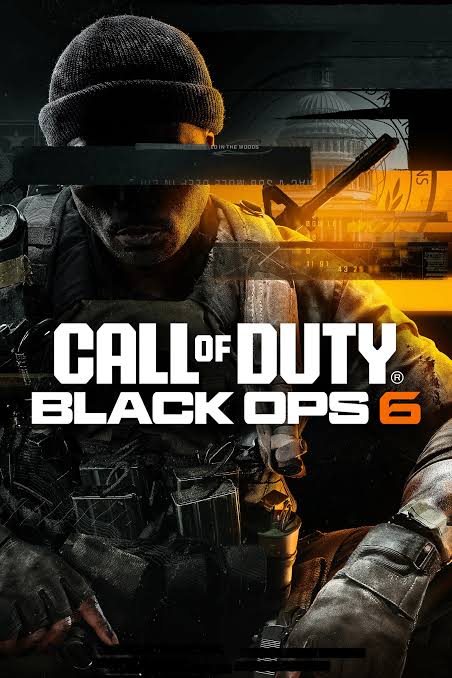
Image – Call of Duty: Black Ops 6/Activision

Activision has done it again, pushing monetization to new lows in Call of Duty: Black Ops 6 and Warzone. Players are now forced to view advertisements while customizing their loadouts, a move that has sparked widespread frustration across the gaming community.

The Ad Invasion

Previously, in-game promotions for skins and bundles were tucked away in menus or store sections. Now, Activision has embedded these ads directly into the weapon selection screen, meaning players cannot avoid them when adjusting their loadouts before matches.

Every time a player swaps a gun, selects a perk, or fine-tunes their setup, they’re met with full-screen promotions showcasing cosmetic bundles, Battle Pass upgrades, and limited-time offers. The worst part? There’s no option to disable them.

AAA or Mobile Game?

For a franchise that prides itself on premium pricing, this blatant push for microtransactions feels more suited to free-to-play mobile games, not a AAA title that costs between £50-£80. It raises serious concerns about the future of gaming monetization, if a full-priced game can force ads into essential gameplay features, where does it stop?

Some players worry that this could normalize aggressive monetization tactics in future Call of Duty installments, potentially leading to ads between matches, on HUDs, or even in killcams.

The Community Backlash, Again

This isn’t the first time Activision has faced backlash for intrusive monetization. Players previously criticized forced ads in Warzone’s menus, calling them “disrespectful” and “predatory”. The outrage was so widespread that many fans threatened boycotts, arguing that a premium-priced game should not bombard players with microtransaction promotions.

Despite the criticism, Activision continued pushing aggressive monetization, embedding ads deeper into the game’s interface. Now, with Black Ops 6, they’ve taken it a step further, placing ads directly into essential gameplay menus like loadouts.

Activision’s Monetization History

Activision has a long track record of controversial monetization tactics:

  • Loot Boxes in Call of DutyModern Warfare Remastered introduced paid loot crates after launch, despite initial promises of a fair progression system.
  • Battle Pass Price HikesBlack Ops Cold War increased premium pass costs, making progression more expensive for players.
  • Pay-to-Win MechanicsWarzone introduced weapons locked behind premium bundles, giving paying players an advantage.

These tactics have repeatedly sparked community outrage, yet Activision has continued doubling down on aggressive monetization strategies.

How Mobile Games Paved the Way for AAA Monetization

The gaming industry has been watching mobile games closely, and AAA publishers have adopted their monetization tactics to maximize profits. Mobile games have been getting away with aggressive monetization for years, and now major publishers want in.

Key Mobile Monetization Tactics That AAA Games Are Copying

  • Freemium Models – Mobile games like Clash of Clans and Genshin Impact offer free gameplay but heavily incentivize spending through premium currency and time-gated mechanics.
  • Loot Boxes & Gacha Systems – Games like Diablo Immortal and Raid: Shadow Legends use randomized rewards to encourage spending, a model now seen in AAA games like Overwatch and FIFA Ultimate Team.
  • Forced Advertisements – Mobile games have long included unskippable ads, and now AAA publishers are testing the waters with ads in menus, loading screens, and even gameplay.
  • Battle Passes & Limited-Time Offers – Seasonal content in mobile games has influenced AAA titles like Fortnite, Call of Duty, and Halo Infinite, making continuous spending a requirement for full access.
  • Psychological Tricks – Mobile games use FOMO (fear of missing out), artificial scarcity, and time-limited deals to pressure players into spending, tactics now common in AAA gaming.

The Future of Monetization in Gaming

Looking ahead, gaming monetization is expected to become even more aggressive:

  • AI-Driven Monetization – Publishers may use AI to personalize ads and microtransactions based on player behavior.
  • NFTs & Blockchain Gaming – Some companies are experimenting with NFT-based in-game assets, allowing players to buy, sell, and trade digital items.
  • Cloud Gaming & Subscription Dominance – As cloud gaming grows, publishers may lock content behind subscriptions, making ownership of games a thing of the past.
  • In-Game Advertising Expansion – Expect more intrusive ads, possibly appearing during matches, in HUDs, or even in killcams.

Final Thoughts

Gaming companies are walking a dangerous line between profitability and player satisfaction. Activision’s latest stunt shows how AAA publishers are willing to exploit their audiences, even at the cost of goodwill and game integrity. The real question is: will players push back hard enough to make a difference?

What do you think? Are forced ads in Call of Duty acceptable, or is this a sign of even worse monetization coming? Let me know in the comments.

Until next time, stay sharp and keep gaming. Panda out.

References

Comments (2) »

Diablo 4: Monetization Over Gameplay? A Growing Concern

Image – Diablo 4/Blizzard

Blizzard’s Diablo 4 has been under fire for its monetization practices since launch, but Season 8 has pushed player frustration to new heights. With £112 Berserk-themed skins, slow seasonal progression, and minimal gameplay improvements, many fans feel the game is prioritizing revenue over meaningful content.

Season 8: The Breaking Point?

Season 8 introduced a crossover with Berserk, a beloved anime and manga series. While the collaboration excited fans, the steep cosmetic prices quickly overshadowed the hype. The most expensive skins cost £112, sparking outrage over Blizzard’s pricing strategy.

Beyond cosmetics, players have criticized the lack of substantial gameplay changes. While Season 8 added new boss encounters and minor quality-of-life improvements, many feel the core experience remains stagnant. The seasonal progression system has also been labeled as slow and unrewarding, making it harder for players to earn meaningful rewards without spending money.

A History of Monetization Controversies

Blizzard’s monetization tactics in Diablo 4 didn’t start with Season 8, previous seasons have had their fair share of backlash:

  • Season 1 (Malignant Hearts): The Battle Pass rewards felt underwhelming compared to the cost, leading players to question whether Blizzard was delivering enough value.
  • Season 2 (Blood Harvest): Premium mounts and armor sets were introduced, sparking debate over Blizzard’s pricing strategy compared to earnable cosmetics.
  • Season 5 (Echoes of Hatred): The use of limited-time bundles pressured players into purchases before items disappeared, reinforcing FOMO-driven monetization.
  • Season 7 (Infernal Reckoning): The £75.00 Collector’s Pack, containing little beyond cosmetics, highlighted Blizzard’s increasing reliance on microtransactions.

Blizzard’s Response: A Lack of Accountability?

Despite mounting criticism, Blizzard has largely avoided addressing player concerns directly. While Diablo franchise general manager Rod Fergusson previously stated that Diablo 4 would not follow the aggressive monetization model of Diablo Immortal, players feel that Blizzard has failed to uphold that promise.

Community frustration has led to calls for boycotts, with some players refusing to purchase cosmetics or engage with seasonal content until Blizzard makes meaningful changes.

How Does Diablo 4 Compare to Other ARPGs?

Blizzard’s monetization strategy stands in stark contrast to other ARPGs like Path of Exile and Lost Ark:

  • Path of Exile: While PoE has microtransactions, its monetization is focused on cosmetics and convenience, rather than restricting core gameplay. Players can enjoy the full experience without spending money.
  • Lost Ark: This MMO-ARPG has pay-to-win mechanics, but it also offers earnable cosmetics and progression options, making it more accessible than Diablo 4.

Compared to these games, Diablo 4’s monetization feels more aggressive, with high-priced cosmetics and limited ways to earn rewards through gameplay.

The Bigger Issue: Monetization vs. Player Trust

Blizzard’s aggressive monetization isn’t unique, major publishers across the industry are testing the limits of what players will tolerate. The critical question remains: When does optional monetization cross the line into exploitation?

While Blizzard continues to push revenue-driven strategies, player frustration is reaching a boiling point. Whether the backlash will eventually force change or simply fade as players accept this as the industry norm is yet to be seen.

Final Thoughts: Games Should Reward Players, Not Exploit Them

At the end of the day, gaming should be about experience, creativity, and fair engagement, not relentless monetization. Publishers need to recognize that player trust matters, because when games put profits ahead of their communities, they risk losing what makes them special.

Until next time, stay sharp and keep gaming. Panda out.

References

Leave a comment »

Star Citizen Delays New Ship Upgrade Amid Pay-to-Win Concerns

Cloud Imperium Games (CIG) is once again under fire, this time for delaying its latest ship upgrade, Flight Blades, after intense backlash from players. The controversy stems from the fact that when Flight Blades were first introduced, they were only available for real money, ranging from £7.50 to £33—despite promises that they would also be purchasable with in-game currency.

A Pay-to-Win Problem?

The idea of selling ship components for real money immediately sparked outrage, with players calling it a clear pay-to-win system. Many long-time supporters of Star Citizen, a game that has raised over £640 million in funding, questioned why the studio continues to introduce monetisation strategies that disadvantage those who prefer to play without spending extra cash.

Following the backlash, CIG announced that Flight Blades would be delayed and reassured players that they would eventually be available for in-game currency. However, frustration remains high—many believe ship components should never be locked behind real money transactions, especially in a game that prides itself on player-driven economies.

12 Years in Development—Where Is The £640 Million Going?

Star Citizen has been in development for over 12 years, starting in 2012. Despite the massive funding, the game still lacks many promised features, leading players to question how efficiently the money is being used. Some community members have even called for greater financial transparency, asking whether funds are being allocated effectively to deliver the game’s ambitious vision.

Ship Prices—How Much Are Players Spending?

Ship prices in Star Citizen vary widely, with some costing hundreds or even thousands of pounds. Here are a few examples of current ship prices in Alpha 4.1:

ShipPrice (in-game currency)Price (real money)
Aurora ES423,360 aUEC£40
Buccaneer1,663,200 aUEC£110
Prospector2,929,500 aUEC£140
Cutlass Red2,857,680 aUEC£150
Vulture2,646,000 aUEC£175

Some ships are only available for real money, while others can be earned through gameplay. However, many players argue that the pricing model pressures users into spending real money, rather than grinding for in-game currency.

Monetisation Trends—How Does Star Citizen Compare?

Star Citizen’s approach to monetisation is far more aggressive than many competitors. Games like Elite Dangerous and No Man’s Sky allow players to earn ships and upgrades solely through gameplay, while Star Citizen often locks high-end ships and components behind real-money purchases.

Unlike subscription-based MMOs, Star Citizen does not have a mandatory monthly fee—but many argue that the constant monetisation of ships and upgrades makes it a de facto subscription, where players need to spend money to stay competitive.

Development Transparency—Do Players Really Know Where the Money Goes?

Despite £640 million in funding, CIG has never offered a full financial breakdown of how the money is used. Players often question whether funds are truly going toward development, as new monetisation schemes continue to roll out while major game features remain incomplete.

The lack of a detailed roadmap and frequent delays have led to growing skepticism within the community, with some players calling for a third-party audit of CIG’s finances.

Community Response—What Are Players Saying?

The reaction to the Flight Blades controversy has been overwhelmingly negative:

  • Many feel that CIG deliberately launched Flight Blades as a real-money item before promising an in-game currency version to test player resistance.
  • Others argue that introducing real-money upgrades is destroying Star Citizen’s economy, favoring paying players over those who want to earn items through gameplay.
  • Some defenders believe that CIG needs continued revenue to fund Star Citizen’s ambitious scope, though the lack of transparency remains a sticking point.

Future Risks—Could This Backfire?

If CIG continues monetising ships and upgrades in this way, Star Citizen risks alienating a portion of its player base. Even long-time supporters are starting to question the financial model, and continued controversies could lead to weaker player engagement over time.

If Star Citizen ever officially launches, it will need to offer a balanced monetisation system that doesn’t lean too heavily on real-money purchases—or risk losing credibility as a truly player-driven experience.

Recent Monetisation Controversies—Gaming Industry Under Scrutiny

Star Citizen isn’t alone in facing monetisation backlash. Here are some of the latest gaming controversies that highlight industry-wide concerns:

  • European Union’s crackdown on in-game purchases – The EU has introduced new regulations requiring all in-game items to display their real-money cost alongside virtual currency prices. This was triggered by complaints about Star Stable, a free-to-play game marketed toward children.
  • Major gaming companies facing lawsuits – Blizzard, EA, Epic Games, Ubisoft, and others are being sued for predatory monetisation and addictive practices. The lawsuit argues that these companies target minors with manipulative in-game purchases, leading to financial loss and mental distress.
  • Consumer groups pushing for transparency – European regulators are demanding that premium in-game currencies be displayed in real money, arguing that hidden costs lead to overspending and unfair pricing.

Each of these cases highlights how monetisation strategies are facing increased scrutiny worldwide—something Star Citizen’s developers should pay close attention to.

What’s Next?

As of now, CIG has not announced a new release date for Flight Blades, nor have they detailed how much in-game currency players will need to acquire them. The delay has left many wondering if future upgrades will follow a similar pay-first, delay-for-in-game-currency model—something that could alienate a portion of Star Citizen’s dedicated community.

For now, players remain in a familiar position: waiting for answers while watching new monetisation tactics unfold.

Until next time, stay sharp and keep gaming.
Panda out.

References:

  • Dexerto – EU regulations on in-game purchases: Link
  • Instant Gaming – Cover image Link
  • Springer Journal of Business Ethics – Predatory monetisation practices: Link
  • The Conversation – Gamer perspectives on monetisation tactics: Link

Comments (3) »