Posts tagged Games

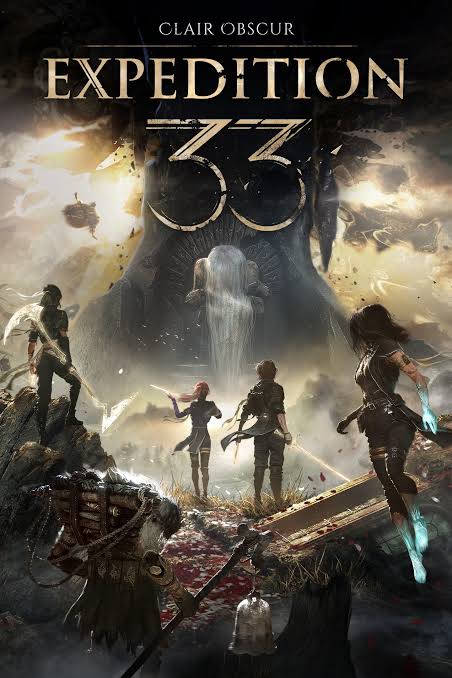
Clair Obscur: Expedition 33

A Bold Vision from Sandfall Interactive

Clair Obscur: Expedition 33 is a groundbreaking achievement from Sandfall Interactive, an upstart studio founded by an ex‑Ubisoft developer driven by a desire to break free from the monotonous output of big companies. Guillaume Broche, the visionary behind the project, has taken a bold leap by creating something fresh and innovative in a market that often nickel‑and‑dimes its players. With a team composed mostly of junior developers, few could have predicted that this title would emerge as a serious contender for game‑of‑the‑year. Broche revealed that developing a game of this caliber through a large company would have taken years, an astounding insight into how traditional studios can be overly risk‑averse, bogged down by meticulous monetary breakdowns and projected sales figures even in volatile markets. Sandfall Interactive’s gamble has clearly paid off, this is an instant hit destined to be played and discussed for years to come.

Welcome to Clair Obscur: Expedition 33, Where the Old Die Young.
I’ll do my best to keep spoilers to a minimum, though as of this writing I’m deep into Act 3.

Visual & Audio Mastery

The game is a visual masterpiece. Powered by Unreal Engine 5, every environment bursts with vibrant colors and meticulous detail. Each region’s carefully chosen color palette, masterful lighting, and striking special effects combine to create breathtaking vistas. And while the visuals alone are awe‑inspiring, the ambient soundtrack and precisely designed audio cues further draw you into the world, transforming every moment into a fully immersive experience.

City of Lumiere: Day and Night

Your journey begins in the city of Lumiere, experienced under two dramatically different conditions:

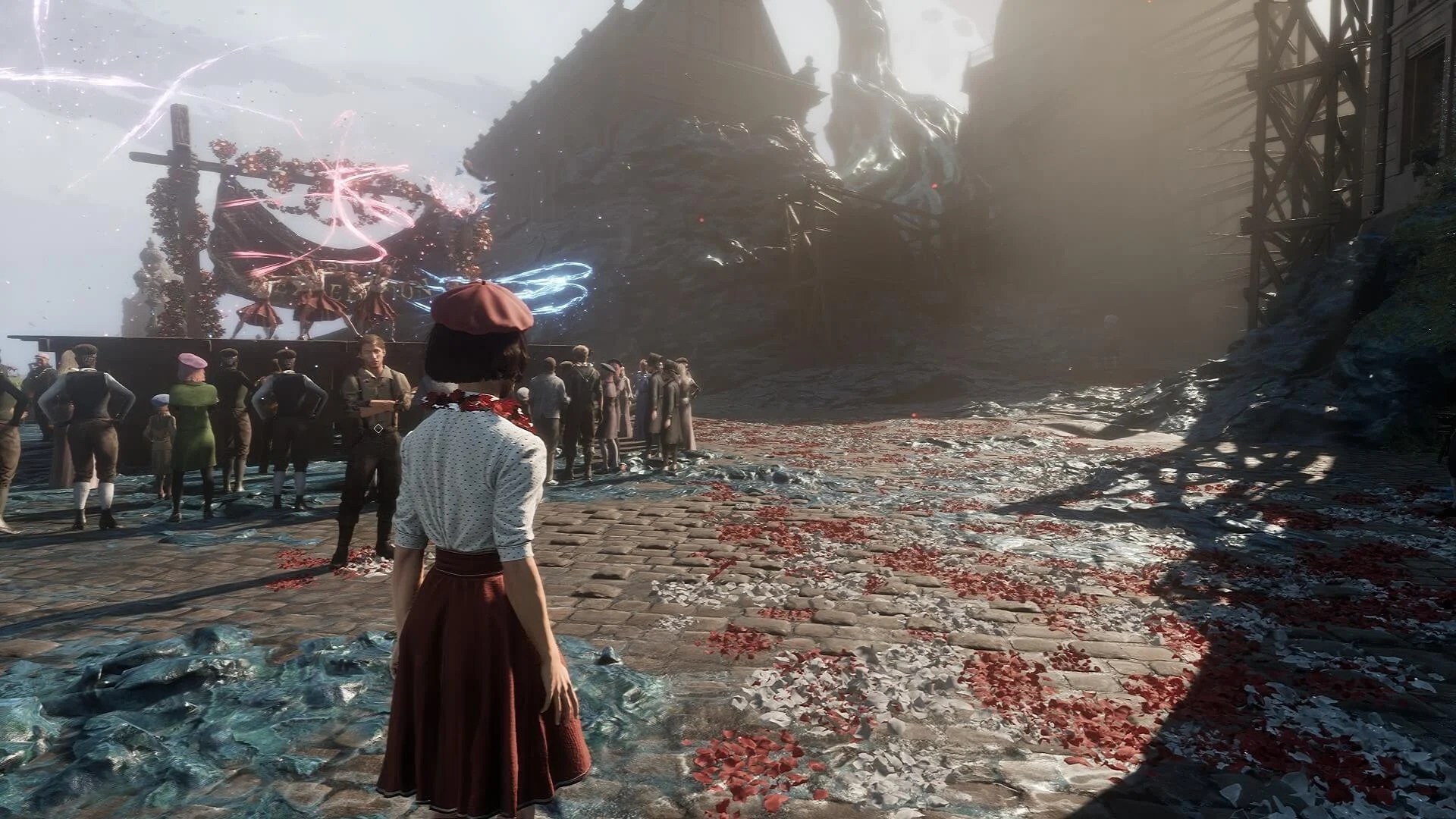
  • Daytime: The city pulses with life. Flower petals cover the streets, set against a backdrop of long‑accepted urban decay.
    Light cascades through the architecture, casting intricate shadows that interplay with the blue rock and red petals, a subtle hint at the city’s deeper lore.
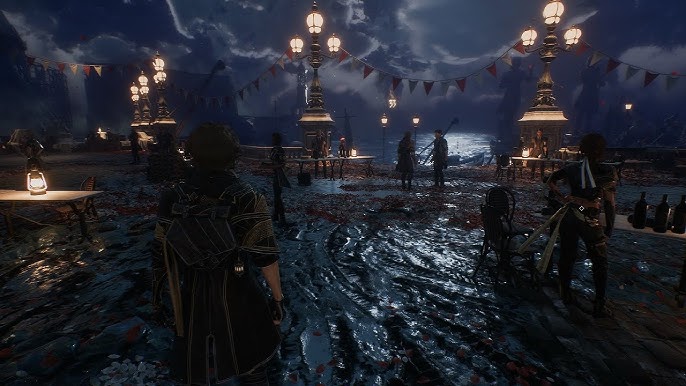
  • Nighttime: As night falls, the atmosphere transforms.
    Light reflects off uneven surfaces and water, creating soft, shifting shadows. With fewer people around, an eerie vibe takes over—mirroring the unfolding narrative and drawing you deeper into the mysteries of this richly detailed world.
Diverse Environments & World Map

Exploration in Clair Obscur: Expedition 33 never feels repetitive. Beyond Lumiere, you’ll uncover expansive open areas, labyrinthine caves, and winding tunnels, each with its own distinct personality. A harmonious blend of color, light, and sound in every region compels you to pause and absorb the wonder.
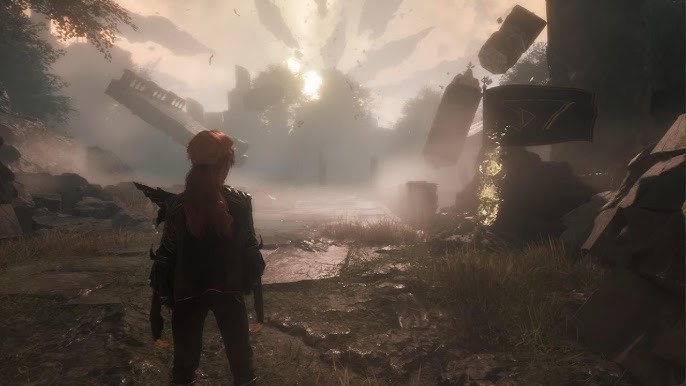
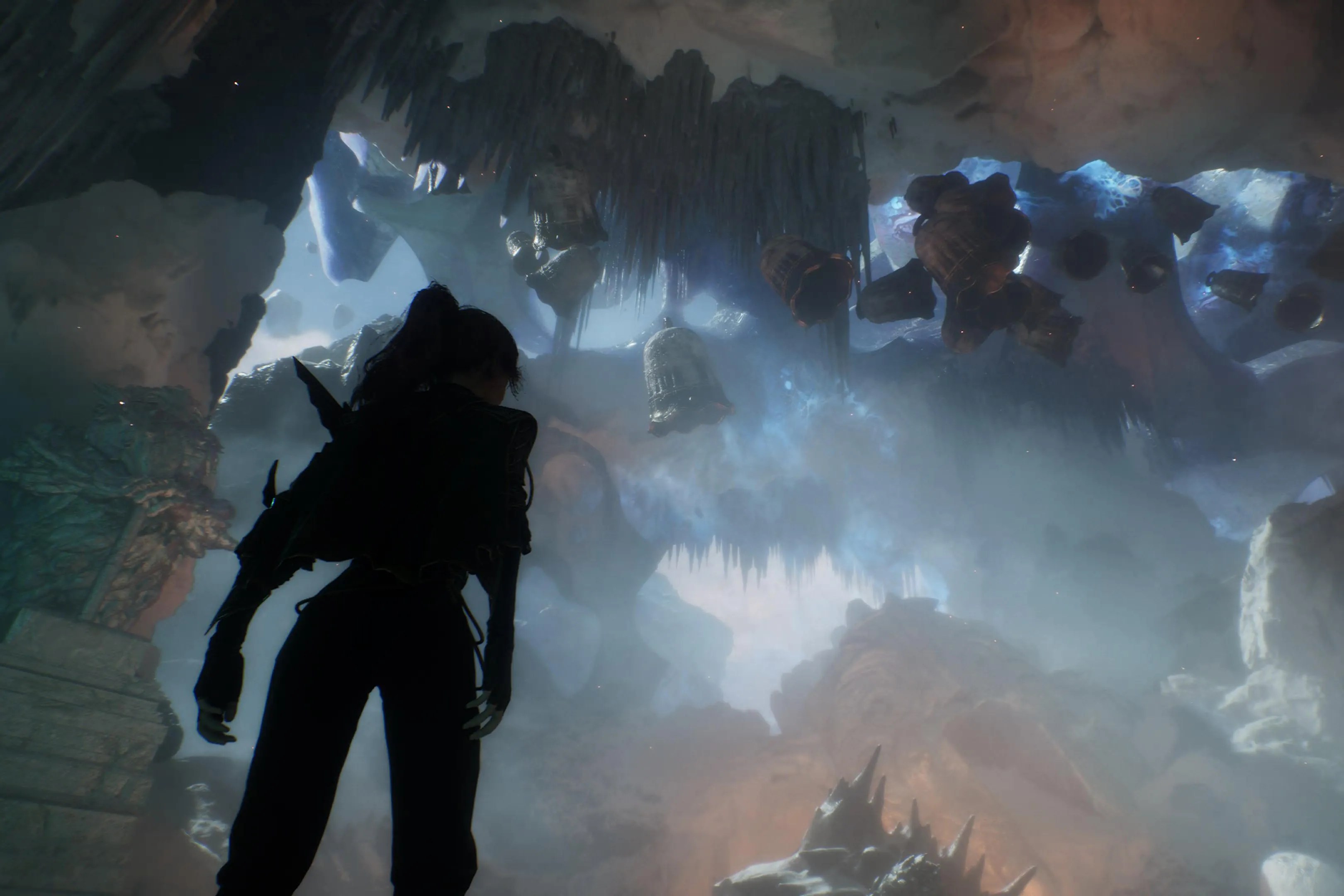
The world map itself stands as a testament to detailed design. Every region’s design mirrors its in‑game counterpart with consistent color schemes, deliberate lighting effects, and subtle audio cues that add layers of depth. Watch as creatures soar in the skies or catch fleeting glimpses of map fragments floating above the ground.

Innovative Gameplay & Combat Mechanics

Turning to gameplay, the mechanics are as innovative as they are engaging. At its core, the game is a turn‑based RPG with a twist: during combat, quick‑time events allow you to unleash extra damage with swift reactions. This fusion of strategic planning with bursts of real‑time action rewards precise timing and rapid decision‑making, creating a thrilling balance of risk and reward that keeps every battle fresh.
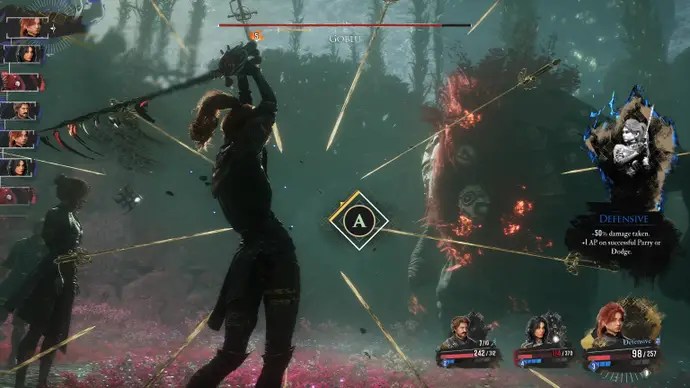
Defensive play introduces an additional layer of nuance. You have three options:

  • Dodge: Evade incoming attacks outright.
  • Parry: Time your block perfectly to deflect and counter an enemy’s move.
  • Jump: A hybrid maneuver that melds evasion with a timed parry, effective against specific attack types.

This layered defense system demands acute attention to sound cues and animations, especially since many enemy strikes can one‑hit kill a party member. Each foe employs a unique rhythm, challenging you to adapt and refine your strategy with every encounter. Occasionally, the game offers the chance to launch a surprise attack, a nod to the pre‑emptive strike system of Phantasy Star III.

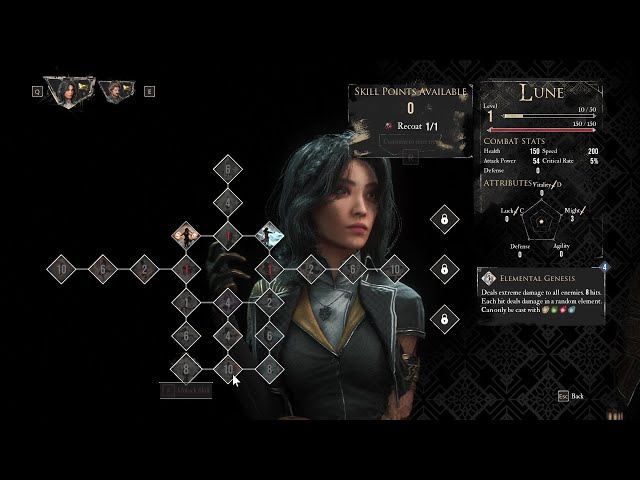
As you level up, you’ll unlock new abilities by spending skill points to boost core stats like Vitality (health) and Might (damage output). Intriguingly, investing in one stat often amplifies others, creating a ripple effect that rewards strategic planning. Dynamic weapon stats with evolving recommendations and an influential elemental system mean that choosing the right upgrade or element at the right moment can turn the tide of battle. With ample chances to respec skills and attributes, the game encourages experimentation; there’s truly no single “best” way to play.
Narrative Integration: Where Gameplay Meets Story

Every element in Clair Obscur: Expedition 33 is designed to weave gameplay seamlessly into a rich narrative tapestry. The visual opulence of Lumiere, with its stark contrasts between daylight vibrancy and nighttime mystery, echoes the deeper themes of decay, resilience, and revelation. The innovative combat mechanics aren’t just about strategy but also serve as a metaphor for the risks and rewards that define the characters’ journeys. Each battle, each exploration, is not merely a challenge to overcome, but a chapter in an evolving story where every choice carries meaning.

This enhanced narrative integration ensures that as you engage with the game’s intricate systems, you’re also drawn into its lore, a narrative where environmental storytelling and dynamic gameplay coalesce to create an experience that is as emotionally engaging as it is visually and mechanically stunning.

Each character in Expedition 33 boasts a unique playstyle, and mastering them takes a little time.
For instance, one character features a combo hit counter, in which the more hits you land without taking damage, the higher your damage output climbs (scaling from a D to an S rating). It’s reminiscent of the combo mechanics found in games like Devil May Cry. Another character uses a stance system where different moves shift you into one of three stances:

  • Defense Stance: Reduced damage received—but also lower damage output.
  • Offensive Stance: Increased damage output—with higher vulnerability.
  • Virtuose Stance: A powerful mode that lets you deal triple damage, though accessing this stance requires extra conditions tied to the skill in use.

What makes these mechanics even more engaging is how they influence the flow of combat. The combo hit counter rewards aggressive, fluid play, encouraging you to build momentum and stay on the offensive. Meanwhile, the stance system adds a tactical layer where quick adaptation can mean the difference between a successful counterattack and taking unnecessary damage.

The game invites you to experiment with each character’s abilities to discover unique synergies. Adjusting your playstyle on the fly, switching stances or chaining combo hits, creates a dynamic combat experience that remains fresh and challenging throughout. These mechanics not only enhance the overall gameplay but also allow you to tailor your approach to suit your strategic preferences.

There are additional nuances to discover, but I won’t spoil those details if you haven’t yet played the game. I love the variety on offer, and I’ve already set my favorite team for the endgame. Not that I dislike any characters, the variety is one of its strongest points, but I do wish I could use more than one at once in combat.

Character Customization and Story Depth
The character designs in Expedition 33 are amazing, with each sporting a distinctive look. As you progress, you’ll have the opportunity to change their clothes and hair, further personalizing their appearance. Each character’s style, ranging from battle scars to unique tattoos, helps to establish a memorable personality.

Moreover, every character has an individual backstory and compelling reasons for joining Expedition 33. It feels like a series of bombshell revelations as you learn more about your companions, the kind of connection I haven’t experienced with another cast since Mass Effect. Each well-crafted story delivers its own “no way” moments, and with multiple endings available, I’m eager to see how my personal narrative unfolds.

World Exploration and Environmental Depth
It isn’t just the main characters that draw you in; the game also offers a rich exploration of its world. You get help from Esquie, an NPC whose quirky interactions add an extra layer of fun as you transverse the map. Other characters also provide deeper interactions that enrich the overall emotional landscape.

Discovery is a constant thrill here, finding journals from previous expeditions (that failed to find and defeat the Paintress) sheds light on the lore and mystery of this strange world. With talks of a movie adaptation, the lore is set to become even deeper and more enriching.

The world map itself is generously sized and gradually opens up as you progress. Brimming with boss fights, exploratory instances, and hidden secrets, I find myself journeying through each area simply because I don’t want the game to end. Some regions are much higher level than you might expect, you can usually tell by encountering tougher enemies or getting a pre-entry warning for an instance if you’re under-leveled.

The area maps, what I call “instances”, vary in size. Some are expansive, offering multiple paths and hidden corners, while others are compact, linear spaces that still pack plenty of exploration opportunities. These areas are designed to reflect their surroundings; for example, a mountainous region might lead you to a cave with interior hues echoing the rugged exterior.

Every area is beautifully crafted, from the ambient design and atmospheric feel to the unique creatures that inhabit them. With treasures tucked away in every nook, you’ll be compelled to explore each corner, wary of missing out on something extraordinary.

Performance and Overall Impressions
Expedition 33 has quickly become a massive hit, selling over 2 million copies in its first few weeks, yet it isn’t without its hiccups. As with many Unreal Engine 5 titles, there are occasional frame rate drops and moments of slight voice/lip sync misalignment. Some boss parry and dodge timings feel off, and at times, inputs (especially when parrying) don’t register as expected.

Despite these technical issues, my overall enjoyment of the game remains high. Clair Obscur: Expedition 33 encapsulates everything I look for in a game: fun, excitement, deep character attachment, and immersive exploration, a welcome change from many modern AAA titles.

Pros & Cons Summary
Below is a quick snapshot of Expedition 33’s strengths and areas for improvement:

  • Pros:
    • Rich character customization and diverse playstyles
    • Deep, engaging backstories reminiscent of Mass Effect
    • An expansive, intricately designed world with plenty of secrets to uncover
    • A unique blend of action and narrative that keeps you invested
  • Cons:
    • Occasional gameplay hiccups, including frame rate drops and input issues
    • Some technical imperfections (e.g., voice/lip sync synchronization)

Looking Ahead: Future Expectations
While the current experience is impressive, I’m hopeful for future updates that address some of the minor performance issues and further refine combat responsiveness. It would be exciting to see the developers add deeper customization options, more dynamic interaction between characters, and even richer lore as the game evolves. With the strong foundation Sandfall Interactive has built, there’s every reason to expect even greater adventures ahead.

Community Engagement
I’d love to hear your thoughts. Which character or playstyle caught your attention the most? Do you think the game’s approach to storytelling and exploration sets a new standard for indie titles? Let’s get a conversation going in the comments!

Until next time, stay sharp and keep gaming.
Panda out.
Comments (1) »

Bungie’s Latest Plagiarism Scandal with Marathon

Image – Bungie

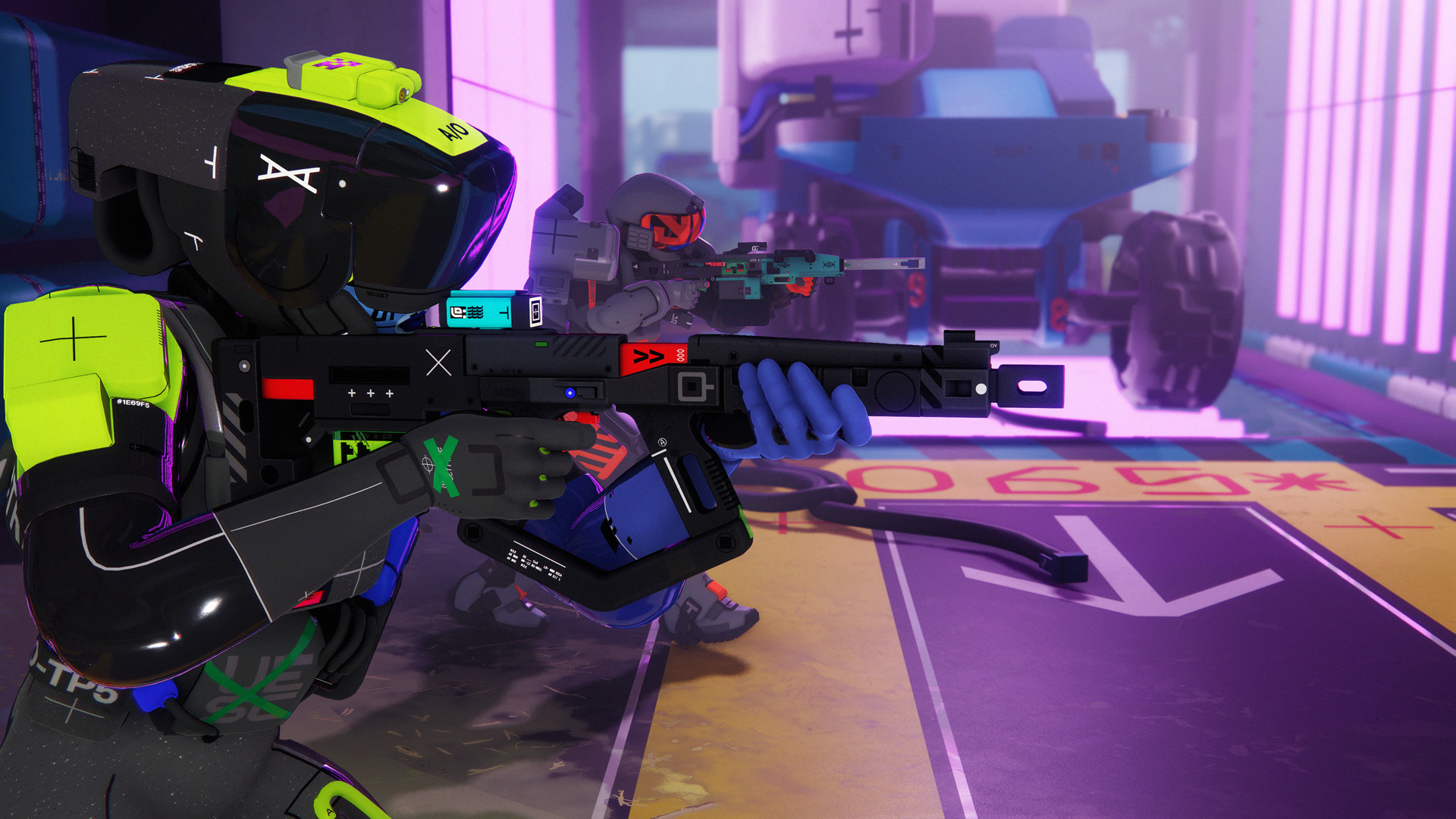
Bungie’s reputation for innovation has taken another hit with allegations of plagiarism surrounding its upcoming extraction shooter, Marathon. Independent artist Fern Hook (4nt1r34l) has claimed that Bungie used her designs without permission, igniting widespread criticism from the gaming community.

The Marathon Controversy

Recent comparisons between Marathon concept art and Hook’s original work have surfaced online, showing striking similarities. Hook, a well-respected independent artist, took to X to express her frustration, stating:

“The Marathon alpha released recently, and its environments are covered with assets lifted from poster designs I made in 2017. Bungie is of course not obligated to hire me when making a game that draws overwhelmingly from the same design language I have refined for the last decade, but clearly my work was good enough to pillage for ideas and plaster all over their game without pay or attribution.”
— Fern Hook (Source on X)

Known for her distinctive sci‑fi aesthetic, melding intricate geometric designs with bold colours, Fern Hook’s portfolio showcases years of meticulous work and a unique visual identity that many now see reflected in Marathon.

Bungie has responded with a short statement denying any wrongdoing:

“We immediately investigated a concern regarding unauthorized use of artist decals in Marathon and confirmed that a former Bungie artist included these in a texture sheet that was ultimately used in-game. This issue was unknown by our existing art team, and we are still reviewing how this oversight occurred. We take matters like this very seriously. We have reached out to @4nt1r34l to discuss this issue and are committed to do right by the artist. As a matter of policy, we do not use the work of artists without their permission.”
— Bungie (Source on X)

Bungie’s History of Plagiarism

Unfortunately, this isn’t the first time Bungie has faced accusations of plagiarism. Over the years, similar concerns have arisen about elements in their games, including:

  • Destiny’s Iconography and Armor Designs: Several pieces of Destiny’s armor and symbols have been compared to existing works from lesser-known creators. While some cases were dismissed as mere homage, others sparked deeper concerns over artistic integrity. For instance, Bungie is currently facing a lawsuit over alleged plagiarism in Destiny 2’s Red War campaign.
  • Halo’s Covenant Design: Certain alien designs in Halo bear strong similarities to works from sci‑fi illustrators who were never credited.
  • Weapon Models and Art Assets: Some of Bungie’s weapons and in‑game assets resemble near‑identical concepts from other games, suggesting this isn’t merely an isolated incident but part of a broader trend. Additional issues surrounding Destiny 2 content vaulting, which complicates Bungie’s defense against plagiarism claims.

Community Response and Industry Impact

The gaming community has voiced strong opinions on the matter, with many calling for Bungie to both credit and compensate Fern Hook for the use of her work. Developers and artists across the industry have rallied behind her, urging Bungie to take meaningful action.

Multiple discussions online have highlighted this controversy as a symptom of a broader issue: large studios often disregard the contributions of independent artists. This situation has reignited calls for stronger protections and accountability regarding intellectual property in the gaming industry.

Fern Hook later followed up on her initial post, expressing her gratitude for the overwhelming support:

“I never expected this level of response. Seeing fellow artists and gamers call this out means the world to me. I just want proper credit, and for people to understand how often this happens in the industry.”
— Fern Hook (Source on X)

As Marathon moves toward release, the gaming community remains vigilant, ensuring that Bungie is held accountable for any further missteps.

The Impact on Independent Creators

Beyond the immediate controversy, the broader implications of plagiarism are deeply damaging to independent artists. For many creators, their work isn’t just a form of expression, it’s also their livelihood. When large studios appropriate designs without proper credit or compensation, these artists lose potential income and opportunities to secure commissions or future partnerships. This financial loss can force talented individuals to struggle for recognition in an already competitive field.

Plagiarism also stifles creativity. Independent artists invest countless hours refining their unique visual styles and building their portfolios. When a major studio borrows heavily from their work without acknowledgment, it sends a discouraging message: original ideas can be exploited without consequence. This not only undermines the artist’s effort but can also deter them, and others, from taking creative risks, potentially leading to a homogenized industry where innovation is sacrificed for familiarity.

Moreover, such incidents erode trust within the creative community. When independent artists see their work repurposed without proper credit, it creates a barrier between emerging talent and established industry giants. This disconnect hinders collaborative progress and fosters an environment where creators feel undervalued and unsupported. Ultimately, for the gaming industry to truly flourish, major players must adopt ethical practices that honor and protect the contributions of every creative voice.

Corporate Vigilance and Ethical Practices

In addition to the damaging effects on independent creators, large companies bear a responsibility to uphold a culture of originality and ethical creativity. To prevent incidents of plagiarism, studios should implement strict internal review protocols. This means establishing multi-level approval processes and dedicated creative oversight teams to ensure that every piece of art or design is thoroughly vetted before inclusion in any project.

Legal checks and comprehensive training on intellectual property rights should also be standard practice. By instituting rigorous internal audits and ensuring that every external work is properly licensed and credited, companies can avoid missteps that lead to accusations, or instances, of plagiarism.

Beyond internal measures, proactive engagement with the creative community is essential. Open dialogue, transparent collaboration, and even direct partnerships with independent artists can help large studios build mutual trust. When companies value and protect the contributions of smaller creators, they not only safeguard themselves against potential legal and public relations issues, but also foster a richer and more innovative creative ecosystem.

Ultimately, embracing these ethical practices can transform a reactive approach to plagiarism into a proactive commitment to originality and respect for all artists, a move that benefits the industry as a whole.

Until next time, stay sharp and keep gaming.

Panda out.

References:

Image – Bungie – https://www.marathonthegame.com/announcement

Comments (2) »

Gaming Is in Trouble, And It’s Time to Talk About It!

Remember when buying a new game felt exciting? When studios actually cared about delivering unforgettable experiences rather than chasing trends? Those days feel further and further away.

It has been years since I last reviewed anything, not because I haven’t been playing games, but because I never thought about doing one. However, given the way the industry has been heading, I felt it was time to speak up.

I’ll be sharing my thoughts on games I am playing, have played, or will play. But for now, this post is going to be a rant, because there’s a lot to unpack, and each topic could easily warrant its own discussion.

Gaming’s Decline: Where Did It Go Wrong?

The gaming industry is in massive decline, and there are several reasons for it:

  • Inflated budgets – Games now demand massive financial investments, with productions sometimes exceeding blockbuster movie budgets. Grand Theft Auto VI, for instance, is rumored to have cost over $1 billion to develop.
  • Corporate greed – Many studios prioritize profit over player experience. Nintendo has increased game and console prices for the upcoming Switch 2, further pushing its premium pricing strategy. Meanwhile, companies like EA and Ubisoft aggressively push microtransactions into their games, turning titles like FIFA (now EA Sports FC) and Madden into pay-to-win experiences.
  • Mass layoffs – 2024 and 2025 have seen thousands of job losses across the industry, with major companies like Epic Games, Microsoft (Activision Blizzard), and EA cutting huge portions of their workforce.
  • Oversaturated markets – The sheer number of games being released, especially low-effort live service titles, makes it harder for quality projects to shine.
  • Live service failures – The industry has chased live-service games aggressively, but many have flopped. Look at Concord, another live-service shooter struggling to differentiate itself in an overcrowded market. Ubisoft’s XDefiant, another multiplayer attempt, has also faced hurdles in gaining traction.

But in my eyes, the biggest issue is that developers are failing to give players what they truly want, a good game.

Gaming is meant to be an escape from reality. When we boot up a game, we want to enjoy ourselves, whether that’s through epic stories, lovable characters, stunning environments (not just graphical fidelity), or engaging gameplay that keeps us coming back.

Yet, for some reason, many companies, particularly AAA studios, struggle to deliver this. While we largely understand why it’s happening, this post isn’t about discussing the politics behind it.

AAA vs. Smaller Studios: The Shift in Power

Recently, a friend and I discussed the last new release we bought on launch day. My last buy was Baldur’s Gate 3, a game that quickly became one of my all-time favorites. I’ve poured almost 200 hours into it, which is rare for a game these days. Before BG3, I can’t even remember the last game I paid for on release.

More often than not, I find myself playing through my backlog instead of purchasing anything new. Honestly, if I didn’t have Game Pass, I wouldn’t be playing new games at all until their prices dropped.

This trend highlights a major industry shift, non-AAA studios understand gamers better than the big corporations.

Many smaller teams are moving away from the outdated “what companies think we want” approach, instead focusing on what developers themselves know we want. When a game is made by gamers for gamers, the passion behind it is clear.

For example:

  • Indie Success Stories – Games like Hollow Knight, Hades, and Dave the Diver have delivered incredible experiences despite smaller budgets.
  • AA Games Thriving – Titles like Hellblade: Senua’s Sacrifice and Lies of P prove that mid-tier studios can craft stunning, innovative games without bloated development cycles.
  • AAA Failures vs. Indie Wins – Ubisoft’s troubled releases keep falling well short of the mark, while Larian Studios’ Baldur’s Gate 3 was a massive success, proving that passion-driven development wins over corporate formulaic releases.

These studios are proving to the so-called industry leaders how it should be done, and big publishers aren’t happy about it. It’s hurting them badly. Just look at Ubisoft and EA’s declining stock performance for proof.

The Future of Gaming: What Needs to Change?

We need a shift, a move away from the annual garbage that AAA studios keep shoving down our throats. Gamers are sick of it, and now we’re finally seeing that reflected in player spending and reception.

Just look at Call of Duty and FIFA (now EA Sports FC), both franchises that churn out yearly releases with minimal innovation, yet expect players to shell out full price every time.

The backlash against unfinished launches is growing, too. Cyberpunk 2077‘s disastrous first year proved that rushing a game to market can destroy its reputation, forcing CD Projekt Red to spend years fixing what should have been right from the start.

As the classic saying goes: Don’t bite the hand that feeds you, because if you do, we’ll go support someone else. Unfortunately for some companies, they’ve already bitten off the entire hand, leaving nothing left to sustain them.

Final Thoughts: Hope in the Chaos

The gaming industry is at a crossroads. The cracks in AAA dominance are showing, and gamers are no longer willing to accept recycled, soulless releases. We want passion. We want creativity. We want games made for players, not for profit alone.

As big studios scramble to maintain control, smaller teams are stepping up, proving that when developers listen to their audience, greatness happens.

My heart goes out to those affected by industry layoffs, and unfortunately, I see more on the horizon. But from the ashes of corporate restructuring, I also predict a new wave of independent studios rising to fill the void.

The future of gaming isn’t in the hands of executives, it’s in ours.

Let’s support the developers who still believe in the magic of gaming. Because if we do, the industry might just turn itself around.

But until next time, Panda out.

Leave a comment »