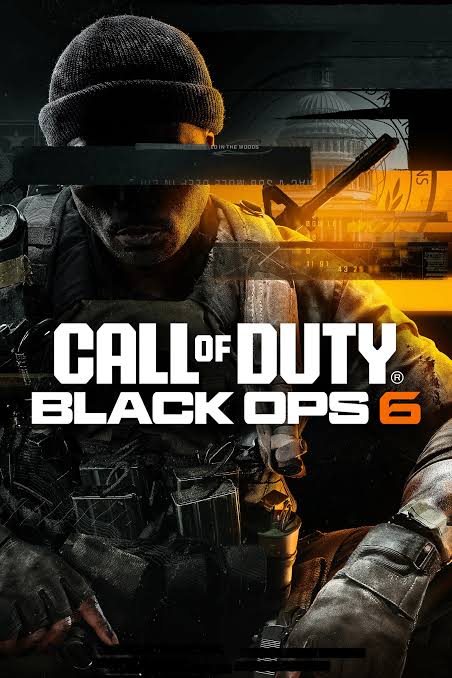
Activision has done it again, pushing monetization to new lows in Call of Duty: Black Ops 6 and Warzone. Players are now forced to view advertisements while customizing their loadouts, a move that has sparked widespread frustration across the gaming community.
The Ad Invasion
Previously, in-game promotions for skins and bundles were tucked away in menus or store sections. Now, Activision has embedded these ads directly into the weapon selection screen, meaning players cannot avoid them when adjusting their loadouts before matches.
Every time a player swaps a gun, selects a perk, or fine-tunes their setup, they’re met with full-screen promotions showcasing cosmetic bundles, Battle Pass upgrades, and limited-time offers. The worst part? There’s no option to disable them.
AAA or Mobile Game?
For a franchise that prides itself on premium pricing, this blatant push for microtransactions feels more suited to free-to-play mobile games, not a AAA title that costs between £50-£80. It raises serious concerns about the future of gaming monetization, if a full-priced game can force ads into essential gameplay features, where does it stop?
Some players worry that this could normalize aggressive monetization tactics in future Call of Duty installments, potentially leading to ads between matches, on HUDs, or even in killcams.
The Community Backlash, Again
This isn’t the first time Activision has faced backlash for intrusive monetization. Players previously criticized forced ads in Warzone’s menus, calling them “disrespectful” and “predatory”. The outrage was so widespread that many fans threatened boycotts, arguing that a premium-priced game should not bombard players with microtransaction promotions.
Despite the criticism, Activision continued pushing aggressive monetization, embedding ads deeper into the game’s interface. Now, with Black Ops 6, they’ve taken it a step further, placing ads directly into essential gameplay menus like loadouts.
Activision’s Monetization History
Activision has a long track record of controversial monetization tactics:
Loot Boxes in Call of Duty – Modern Warfare Remastered introduced paid loot crates after launch, despite initial promises of a fair progression system.
Battle Pass Price Hikes – Black Ops Cold War increased premium pass costs, making progression more expensive for players.
These tactics have repeatedly sparked community outrage, yet Activision has continued doubling down on aggressive monetization strategies.
How Mobile Games Paved the Way for AAA Monetization
The gaming industry has been watching mobile games closely, and AAA publishers have adopted their monetization tactics to maximize profits. Mobile games have been getting away with aggressive monetization for years, and now major publishers want in.
Key Mobile Monetization Tactics That AAA Games Are Copying
Freemium Models – Mobile games like Clash of Clans and Genshin Impact offer free gameplay but heavily incentivize spending through premium currency and time-gated mechanics.
Loot Boxes & Gacha Systems – Games like Diablo Immortal and Raid: Shadow Legends use randomized rewards to encourage spending, a model now seen in AAA games like Overwatch and FIFA Ultimate Team.
Forced Advertisements – Mobile games have long included unskippable ads, and now AAA publishers are testing the waters with ads in menus, loading screens, and even gameplay.
Battle Passes & Limited-Time Offers – Seasonal content in mobile games has influenced AAA titles like Fortnite, Call of Duty, and Halo Infinite, making continuous spending a requirement for full access.
Psychological Tricks – Mobile games use FOMO (fear of missing out), artificial scarcity, and time-limited deals to pressure players into spending, tactics now common in AAA gaming.
The Future of Monetization in Gaming
Looking ahead, gaming monetization is expected to become even more aggressive:
AI-Driven Monetization – Publishers may use AI to personalize ads and microtransactions based on player behavior.
NFTs & Blockchain Gaming – Some companies are experimenting with NFT-based in-game assets, allowing players to buy, sell, and trade digital items.
Cloud Gaming & Subscription Dominance – As cloud gaming grows, publishers may lock content behind subscriptions, making ownership of games a thing of the past.
In-Game Advertising Expansion – Expect more intrusive ads, possibly appearing during matches, in HUDs, or even in killcams.
Final Thoughts
Gaming companies are walking a dangerous line between profitability and player satisfaction. Activision’s latest stunt shows how AAA publishers are willing to exploit their audiences, even at the cost of goodwill and game integrity. The real question is: will players push back hard enough to make a difference?
What do you think? Are forced ads in Call of Duty acceptable, or is this a sign of even worse monetization coming? Let me know in the comments.
Until next time, stay sharp and keep gaming. Panda out.
The gaming industry has long struggled with issues of cheating, toxicity, and fair play. From aim bots in shooters to account boosting in RPGs, bad actors disrupt the balance and enjoyment for honest players. Now, a new initiative called PlaySafe ID aims to tackle these issues with a verified, anonymous digital ID system, raising key questions about how gaming identities could evolve and whether players can trust the system’s privacy promises.
How PlaySafe ID Works & Its Impact on Players
PlaySafe ID recently secured $1.12M in pre-seed funding, backed by Early Game Ventures, Hartmann Capital, and Overwolf. The platform’s goal is to provide a trust layer for online gaming, ensuring players are real and haven’t been caught cheating or engaging in harmful behavior.
Its standout feature is Zero-Knowledge Proof technology, which lets players verify their identity without exposing personal details. This means players can prove they’re legitimate without handing over sensitive information, tackling both security risks and privacy concerns.
Verification Process
PlaySafe ID uses Zero-Knowledge Proof technology to verify players without exposing personal details. Here’s how the process works:
For Adults (18+)
Create an account on PlaySafe ID.
Upload a valid photo ID (passport, driver’s license, etc.).
Take a selfie for identity confirmation.
Verification is handled by Veriff, a trusted identity verification provider used by platforms like Epic Games and Roblox.
Once verified, PlaySafe ID generates a random, anonymous ID that can be used across supported games.
For Younger Players (Under 18)
A parent or guardian must create an account and verify themselves first.
The parent then adds the child as an under-18 user.
The child takes a simple age estimation selfie, which is reviewed by Veriff.
If successful, PlaySafe ID generates a unique anonymous ID for the child.
This ID ensures they only interact with verified players who have never been flagged for inappropriate behavior.
Additional Benefits of PlaySafe ID
Beyond banning cheaters, PlaySafe ID offers other potential benefits:
Cross-Game Trust System: Players with a verified PlaySafe ID can build a trust score, helping developers identify legitimate players and reduce false bans.
Improved Matchmaking: Games using PlaySafe ID can prioritize verified players, leading to fairer matches with fewer cheaters.
Stronger Community Moderation: Toxic behavior, such as harassment or cheating, can result in cross-game penalties, discouraging repeat offenders.
Developer-Friendly Integration: PlaySafe ID provides an API for game studios, making it easier to implement anti-cheat and player verification without needing to build their own system.
Ban System: One Game or All Games?
If a player is caught cheating, their PlaySafe ID is blacklisted across all supported games. This means they won’t be able to simply create a new account and rejoin another game using PlaySafe ID. The goal is to eliminate repeat offenders from multiplayer ecosystems.
What Happens If a Ban Was a Mistake?
PlaySafe ID has an appeals process to handle false bans. Here’s how it works:
Players can submit an appeal through their PlaySafe ID account.
PlaySafe ID reviews the ban type:
Logic-based bans (e.g., detected cheat software) are not overturned.
Heuristic-based bans (e.g., unusual movement patterns) are reviewed manually.
Trust Score Consideration: Players with a high trust score (long gaming history, multiple linked accounts) are more likely to have their ban overturned.
Final Decision: If the appeal is successful, the player’s ID is reinstated, but they may be placed on a watchlist to prevent future false flags.
Industry Reception & Developer Adoption
PlaySafe ID is currently in integration talks with several major gaming platforms. Early Game Ventures, which led the funding round, believes PlaySafe ID could become a default identity layer in gaming, similar to Steam or Xbox Live profiles.
However, widespread adoption depends on developer buy-in. If major publishers hesitate, PlaySafe ID could struggle to gain traction.
Costs & Accessibility
PlaySafe ID is free for players, but developers must pay to integrate it into their games. This could lead to some studios skipping adoption due to budget constraints.
Potential Exploits & Security Risks
While PlaySafe ID aims to prevent cheating, hackers could attempt to spoof verification or bypass bans using stolen credentials or identity fraud. The platform will need continuous security updates to stay ahead of potential exploits.
Comparison to AI Cheat Detection Systems
Some games are developing AI-powered cheat detection systems that analyze player behavior to flag suspicious activity. PlaySafe ID differs by focusing on identity verification, rather than detecting in-game cheating patterns.
Future Expansion Beyond Gaming
PlaySafe ID’s game-agnostic identity system could expand beyond gaming to social media or virtual spaces. Some investors believe it could become a universal digital trust layer, similar to online authentication systems like Google or Apple ID.
Privacy Concerns & Historical Data Breaches
PlaySafe ID claims that it does not store personal identification data, relying on Zero-Knowledge Proof technology for verification. However, skepticism is warranted. Companies have made similar promises in the past, only for data leaks or policy changes to reveal otherwise.
Past Cases of Companies Misleading Users About Data Storage
History has shown that companies don’t always honor their privacy commitments. Here are some notable cases:
Yahoo Data Breach (2013-2016): Yahoo exposed three billion user accounts in a massive data breach but only admitted to it three years later.
Facebook & Cambridge Analytica (2018): Facebook allowed Cambridge Analytica to harvest data from millions of users without proper consent, leading to a major scandal.
Uber Cover-Up (2016): Uber suffered a data breach affecting 57 million users but paid hackers to keep it quiet instead of informing users.
Google+ Shutdown (2018): Google+ was shut down after it was revealed that third-party developers had access to private user data, which Google initially withheld from the public.
These cases highlight why gamers should remain cautious when companies promise not to store personal data. While PlaySafe ID’s privacy-first approach is promising, independent verification and transparency will be key to ensuring it truly protects users.
Final Thoughts
PlaySafe ID presents an intriguing vision for safer, fairer gaming. Its privacy-first approach is a step beyond traditional anti-cheat solutions, but its adoption will determine whether it’s a game-changer or just another attempt at reforming digital trust.
What do you think? Would you want PlaySafe ID in your favorite games?
Until next time, stay sharp and keep gaming. Panda out.
Yes! Here’s the fully updated reference list, ensuring all sources are accurate and properly formatted:
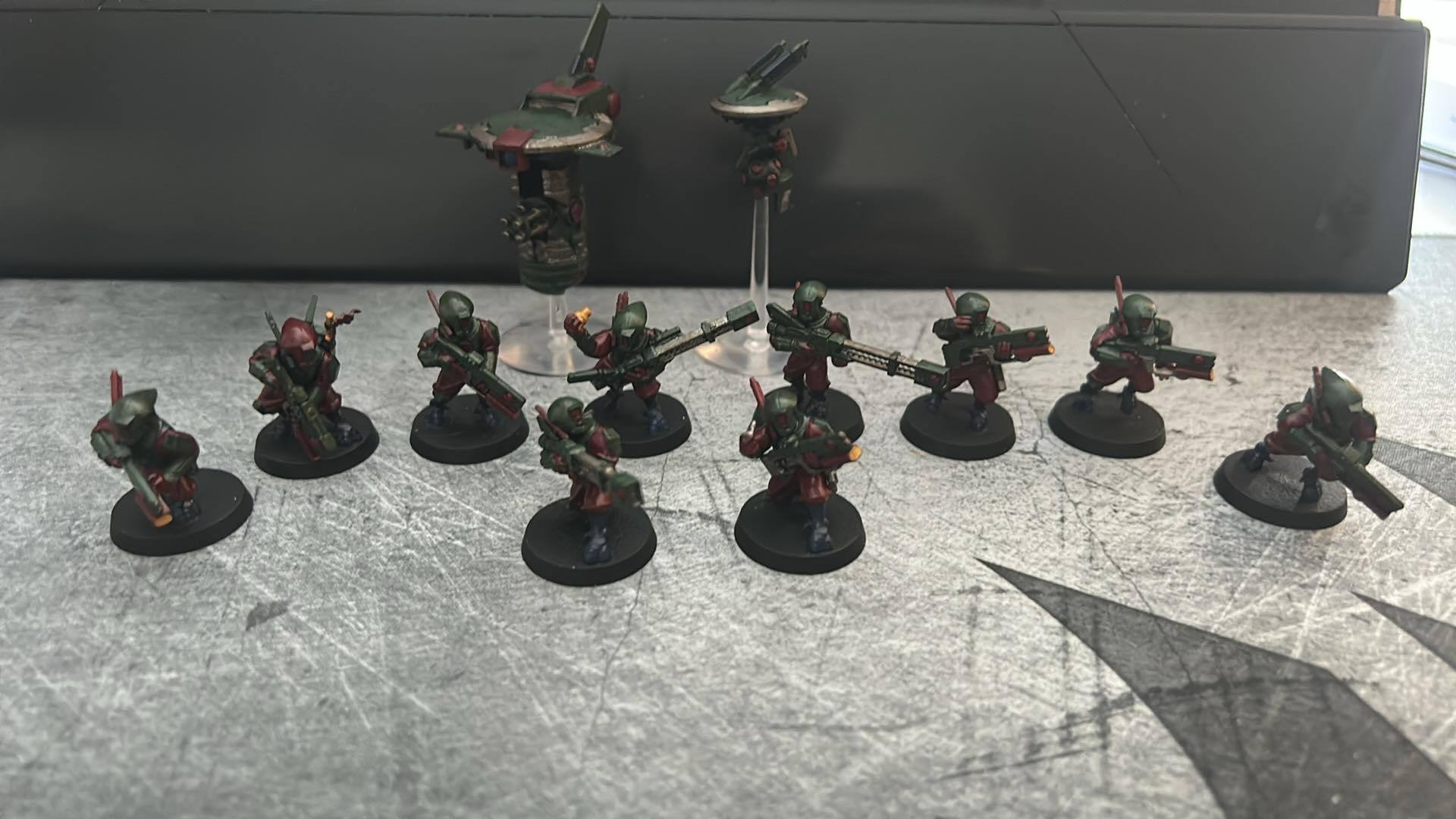
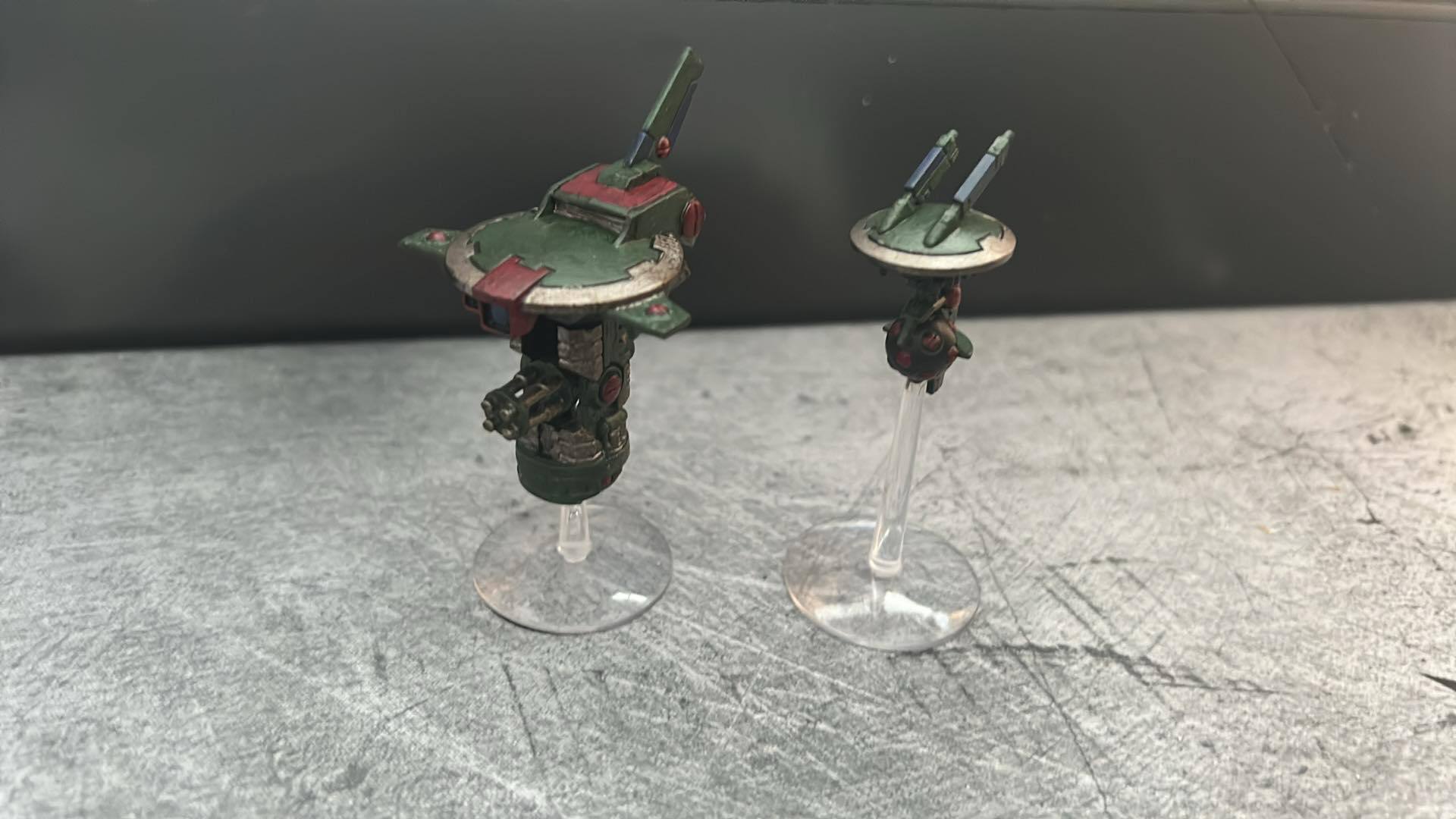
The second unit I decided to paint was my Pathfinders. I’m not sure why, but they’ve always been one of my favorite units in the Combat Patrol. Their strong ranged weapons, combined with a solid medium-range backup, make them incredibly versatile. I also love the rifle design and the drones they deploy, adding an extra layer of tactical depth.
Applying Lessons from My Breachers
Learning from my experience painting my Breachers, I adjusted my approach for the Pathfinders. A great tip I received was to start from the inside out, leaving the armor for last, so that’s exactly what I did. It made the process smoother, though I regret not taking progress pictures this time around.
Choosing the Colour Scheme
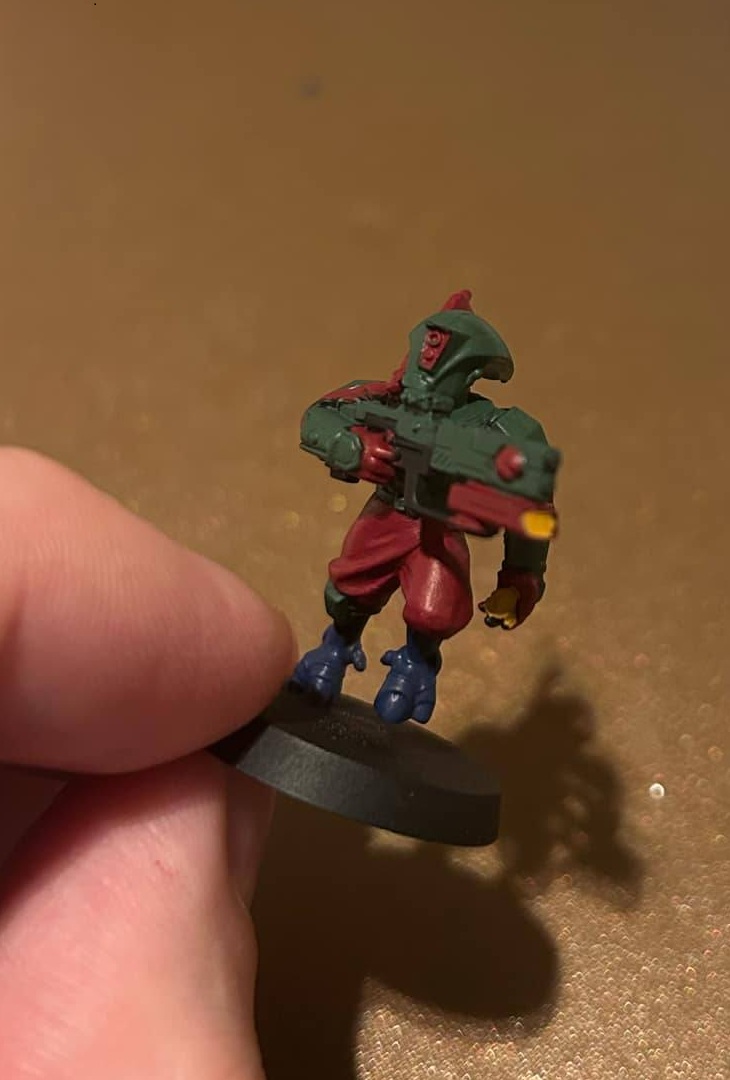
For their secondary colour, I chose red. It creates a striking contrast against the green and gives the unit a bold, battle-ready aesthetic. Since Pathfinders have less armor on the lower half, the red was more dominant, but it added a nice balance to the overall scheme.
When painting the legs, I realized the blue I used was too dark, I should have gone with a lighter shade. It’s another lesson learned for future projects, reminding me how even subtle adjustments can make a big difference in the final result.
Painting the Armour
I applied green to the armor, carefully avoiding the underclothes on the upper body. Of course, mistakes happened, and I had to go back and touch up certain areas, but that was expected. Despite that, I feel like I kept things clean, and each challenge was another step in improving my technique.
Adding Details and Contrast
I added some yellow to make the mark light on the rifles more distinct, along with a few other smaller items in hand, helping them stand out.
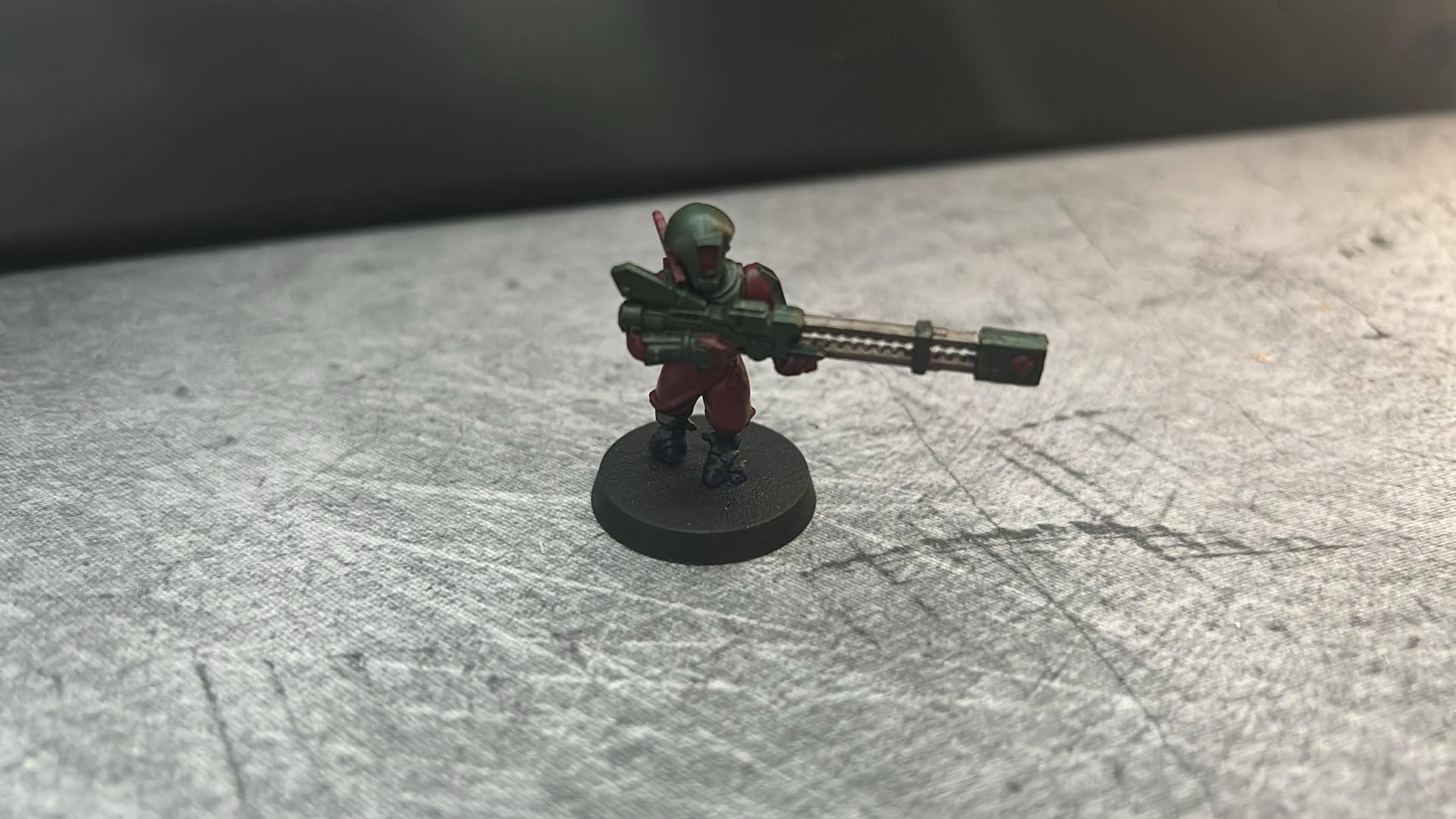
For the Pathfinders using rail rifles, I went with silver for the main parts of the gun, giving them a futuristic yet slightly rugged feel, almost like a relic of past wars with a modern upgrade.
Washing for a Gritty Effect
As I did with my Breachers, I washed over each model. Again, I didn’t apply a second base coat, allowing the wash to retain its dull, gritty effect on my models. The contrast between the colours feels strong and cohesive, enhancing the unit’s battle-worn aesthetic.
Painting the Drones
I kept the same colour scheme for the drones to match the Pathfinders. In Combat Patrol, you use the Grav-inhibitor drone, which reduces a charge roll by 2, critical for keeping the squad out of melee range, where the T’au’s melee is notoriously weak.
For future expansion, when I reach 1,000 points for my army, I’m considering using the Recon drone instead, which could add another layer of tactical depth to my force.
Final Thoughts
Overall, I feel I did a much better job on these than the Breachers. The progress is clear, and I’m starting to get a better grasp of techniques that help refine the painting process. As with anything, practice is key to improving. I just wish I had more time to both play games and paint models.
I still have many techniques to learn, from dry brushing to highlighting the sharp edges on the model. I’m hoping to try some of these soon, but I’m also a bit worried about messing up a fully painted model. Finding a colour that creates a good contrast is also a challenge, but as I keep experimenting, I know I’ll improve.
Next, I’ll be starting my Devilfish. Painting a larger, blockier model should give me valuable experience before tackling the Commander Suit, one of the most exciting projects on my list.
Also, if you’re really into painting Warhammer models, check out my friend on TikTok, he uploads almost daily, showcasing new painted models from a wide range of projects: Resin Rogue 3D.
Until next time, stay sharp and keep gaming.Panda out.
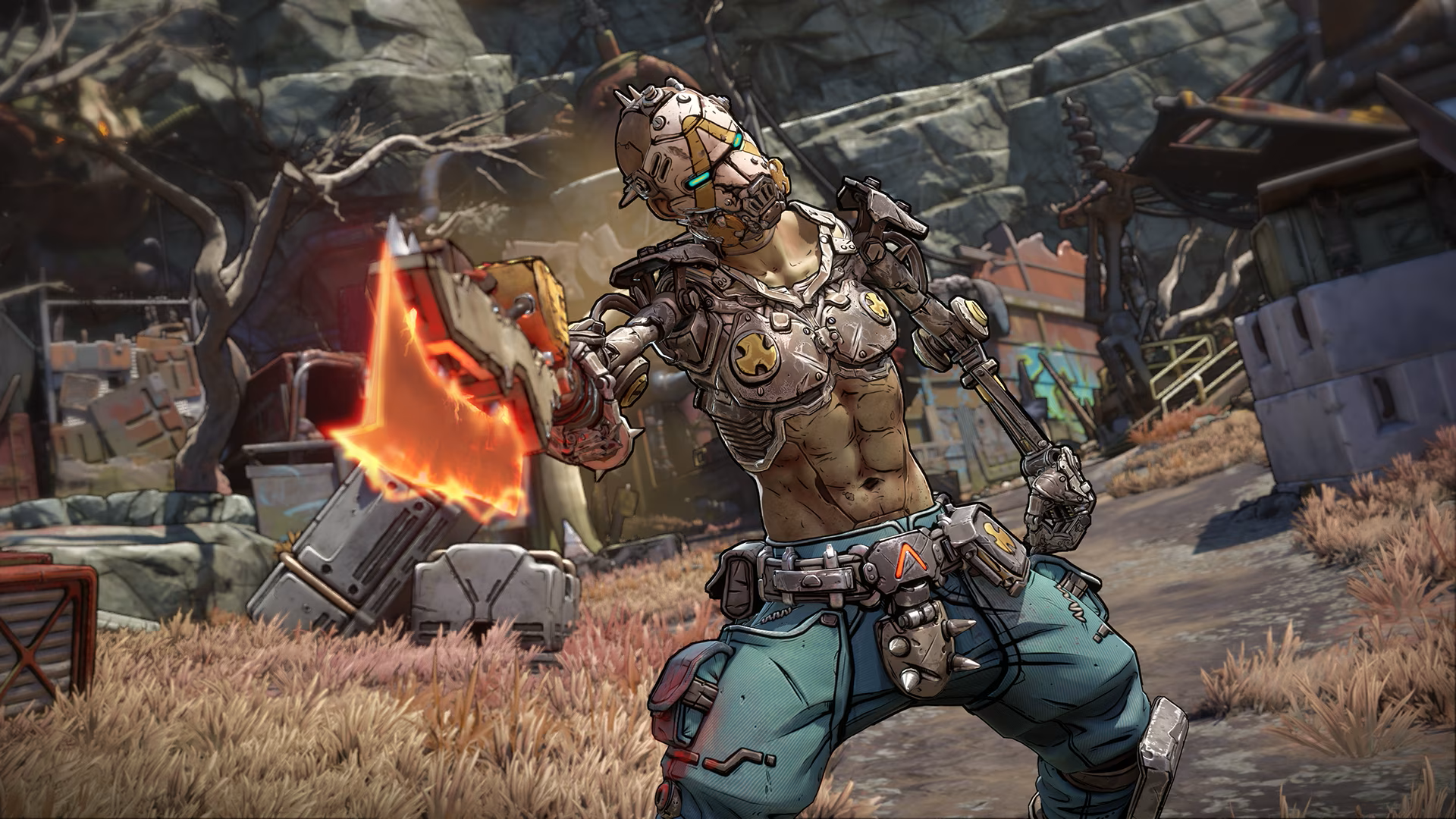
The gaming industry has seen its fair share of pricing controversies, but Borderlands 4 has sparked a particularly heated debate. Gearbox CEO Randy Pitchford recently found himself in the crosshairs of frustrated gamers after suggesting that “real fans” would find a way to afford the game, potentially priced at £80.
The Controversy Unfolds
It all started when a fan on social media expressed concerns about the rising cost of games, specifically asking Pitchford to ensure Borderlands 4 wouldn’t follow the trend of inflated pricing. Pitchford’s response? A dismissive remark stating that pricing wasn’t his decision, but that true fans would “find a way to make it happen”, referencing his own experience saving up for Starflight on the Sega Genesis back in the early ’90s.
This comment didn’t sit well with the gaming community. Many pointed out that economic conditions today are vastly different, with stagnant wages and rising living costs making gaming an increasingly expensive hobby. The backlash was swift, with fans calling Pitchford’s statement tone-deaf and out of touch with reality.
A Pattern of Controversy
This isn’t the first time Randy Pitchford has landed himself in hot water. His handling of the Borderlands IP has been riddled with controversy, including the Borderlands movie debacle. The film, directed by Eli Roth, was met with negative reviews and poor box office performance, pulling in just $16.5 million worldwide in its opening weekend.
Rather than acknowledging the criticism, Pitchford took to social media to deflect blame, suggesting that fans simply preferred the games over the movie. His response came across as dismissive, further alienating the community.
Beyond the movie, Pitchford has faced scrutiny over Gearbox’s business practices, including allegations of mismanagement, questionable financial decisions, and disputes with former employees. His reputation has been shaped by a series of missteps, making his latest remarks about Borderlands 4’s pricing feel like yet another example of his disconnect from the gaming community.
The Bigger Picture: Gaming Prices on the Rise
The controversy surrounding Borderlands 4 isn’t happening in isolation. The industry has been gradually pushing game prices higher, with titles like Mario Kart World launching at £80 on the Nintendo Switch 2. Microsoft has also announced price hikes for some of its upcoming releases, signalling a broader trend that could make gaming less accessible for many players.
Pitchford later attempted to clarify his comments, stating that he doesn’t actually know the final price of Borderlands 4, as that decision lies with publisher 2K Games. However, his initial remarks have already done damage, alienating some of the franchise’s most loyal fans.
What This Means for Borderlands 4
While Borderlands 4 is expected to be a major release, the controversy surrounding its potential price tag could impact sales. Some fans have already stated they’ll boycott the game if it launches at £80, while others are waiting to see if Gearbox and 2K reconsider their pricing strategy.
The backlash serves as a reminder to gaming executives that pricing decisions aren’t just about covering development costs, they’re about maintaining goodwill with the community. In an era where gamers are more vocal than ever, dismissing concerns with flippant remarks is a surefire way to damage a brand’s reputation.
Final Thoughts
The Borderlands franchise has always thrived on its chaotic humour and dedicated fanbase, but this controversy highlights a growing disconnect between corporate decision-makers and the players who keep their games alive. Whether Borderlands 4 will actually launch at £80 remains to be seen, but one thing is clear: gamers aren’t willing to accept price hikes without a fight.
Until next time, stay sharp and keep gaming. Panda out.
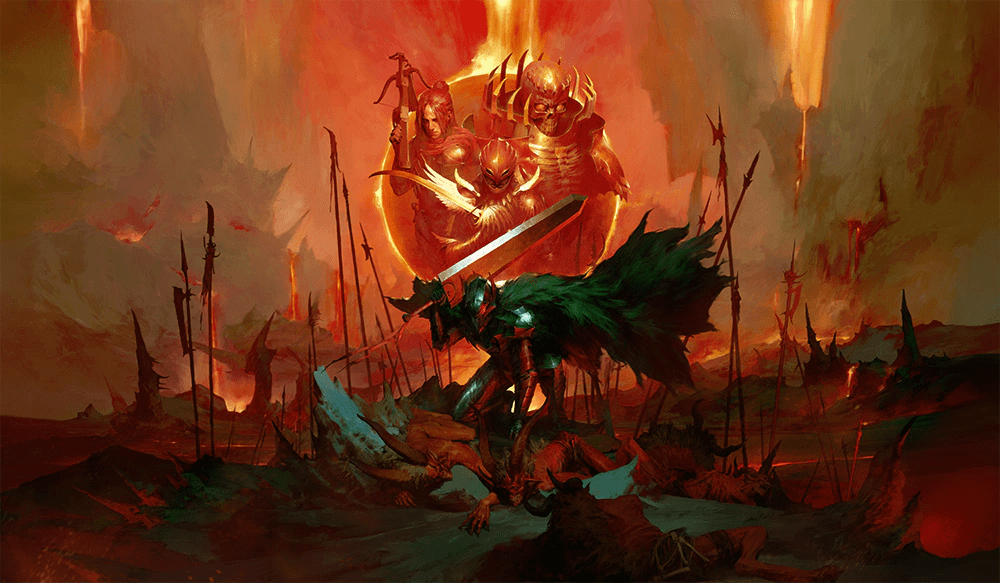
Blizzard’s Diablo 4 has been under fire for its monetization practices since launch, but Season 8 has pushed player frustration to new heights. With £112Berserk-themed skins, slow seasonal progression, and minimal gameplay improvements, many fans feel the game is prioritizing revenue over meaningful content.
Season 8: The Breaking Point?
Season 8 introduced a crossover with Berserk, a beloved anime and manga series. While the collaboration excited fans, the steep cosmetic prices quickly overshadowed the hype. The most expensive skins cost £112, sparking outrage over Blizzard’s pricing strategy.
Beyond cosmetics, players have criticized the lack of substantial gameplay changes. While Season 8 added new boss encounters and minor quality-of-life improvements, many feel the core experience remains stagnant. The seasonal progression system has also been labeled as slow and unrewarding, making it harder for players to earn meaningful rewards without spending money.
A History of Monetization Controversies
Blizzard’s monetization tactics in Diablo 4 didn’t start with Season 8, previous seasons have had their fair share of backlash:
Season 1 (Malignant Hearts): The Battle Pass rewards felt underwhelming compared to the cost, leading players to question whether Blizzard was delivering enough value.
Season 2 (Blood Harvest): Premium mounts and armor sets were introduced, sparking debate over Blizzard’s pricing strategy compared to earnable cosmetics.
Season 5 (Echoes of Hatred): The use of limited-time bundles pressured players into purchases before items disappeared, reinforcing FOMO-driven monetization.
Season 7 (Infernal Reckoning): The £75.00 Collector’s Pack, containing little beyond cosmetics, highlighted Blizzard’s increasing reliance on microtransactions.
Blizzard’s Response: A Lack of Accountability?
Despite mounting criticism, Blizzard has largely avoided addressing player concerns directly. While Diablo franchise general manager Rod Fergusson previously stated that Diablo 4 would not follow the aggressive monetization model of Diablo Immortal, players feel that Blizzard has failed to uphold that promise.
Community frustration has led to calls for boycotts, with some players refusing to purchase cosmetics or engage with seasonal content until Blizzard makes meaningful changes.
How Does Diablo 4 Compare to Other ARPGs?
Blizzard’s monetization strategy stands in stark contrast to other ARPGs like Path of Exile and Lost Ark:
Path of Exile: While PoE has microtransactions, its monetization is focused on cosmetics and convenience, rather than restricting core gameplay. Players can enjoy the full experience without spending money.
Lost Ark: This MMO-ARPG has pay-to-win mechanics, but it also offers earnable cosmetics and progression options, making it more accessible than Diablo 4.
Compared to these games, Diablo 4’s monetization feels more aggressive, with high-priced cosmetics and limited ways to earn rewards through gameplay.
The Bigger Issue: Monetization vs. Player Trust
Blizzard’s aggressive monetization isn’t unique, major publishers across the industry are testing the limits of what players will tolerate. The critical question remains: When does optional monetization cross the line into exploitation?
While Blizzard continues to push revenue-driven strategies, player frustration is reaching a boiling point. Whether the backlash will eventually force change or simply fade as players accept this as the industry norm is yet to be seen.
Final Thoughts: Games Should Reward Players, Not Exploit Them
At the end of the day, gaming should be about experience, creativity, and fair engagement, not relentless monetization. Publishers need to recognize that player trust matters, because when games put profits ahead of their communities, they risk losing what makes them special.
Until next time, stay sharp and keep gaming. Panda out.
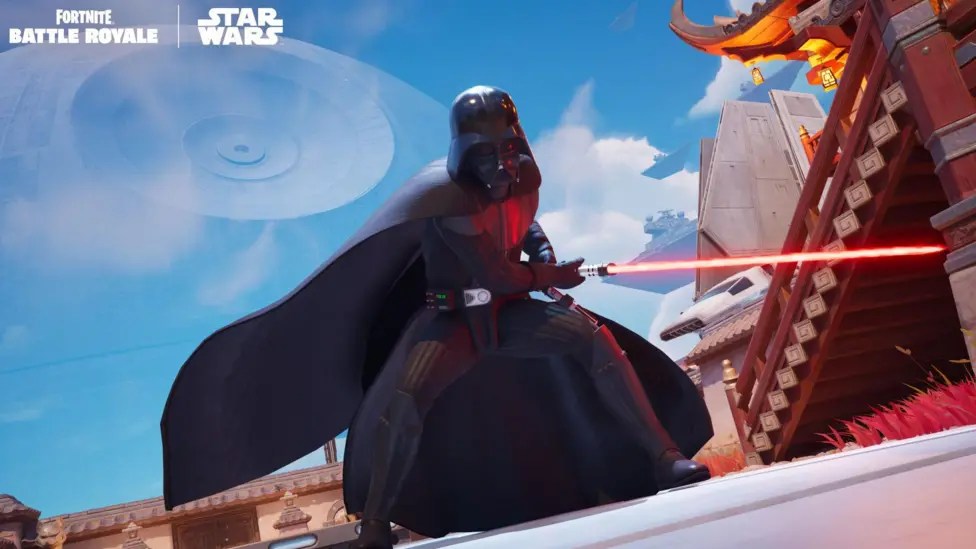
On May 16, 2025, Fortnite’s Galactic Battle event introduced an AI-generated Darth Vader, allowing players to interact with him via voice chat. While this was intended as a cutting-edge feature, it quickly became the center of controversy due to ethical concerns over AI voice replacement, industry backlash, and player misuse.
The AI Darth Vader and James Earl Jones’ Estate
Epic Games secured permission from James Earl Jones’ estate to recreate his legendary voice using AI. While this ensures continuity for the iconic character, many industry professionals have raised concerns about whether AI-generated performances should replace human voice actors entirely.
Voice Actors Speak Out Against AI Darth Vader
Voice actors have strongly opposed the use of AI-generated voices in Fortnite, arguing that it undermines their profession and sets a dangerous precedent for the industry.
The SAG-AFTRA union has filed an unfair labor practice charge against Llama Productions, a subsidiary of Epic Games, claiming that the company failed to negotiate with voice actors before replacing their work with AI.
The union argues that:
AI-generated voices replace human performers, cutting costs at the expense of artistry.
Epic Games did not inform the union or offer voice actors a chance to bargain before implementing AI Vader.
This sets a precedent for gaming companies to replace voice actors entirely, threatening their livelihoods.
Player Manipulation and Epic’s Response
Soon after release, players discovered ways to manipulate AI Vader, making him say inappropriate phrases, profanity, and offensive statements. By May 17, 2025, Epic issued a hotfix to limit abuse, but concerns linger over how AI NPCs in gaming could be exploited in the future.
How Easy Was It to Manipulate AI Vader?
Players quickly realized that AI Vader lacked proper language filtering, allowing them to trick him into saying profanity, slurs, and bizarre phrases. Some streamers even recorded clips of Vader responding with explicit language, which spread rapidly across social media before Epic patched the issue.
Examples of AI Vader’s Responses Before the Hotfix
Before Epic intervened, AI Vader was caught saying:
“Freaking, f*ing, such vulgarity does not become you, Padmé.”** (After being prompted with curse words)
“Spanish? A useful tongue for smugglers and spice traders. Its strategic value is minimal.” (A response that sparked backlash for its implications)
“Exploit their vulnerabilities, shatter their confidence, and crush their spirit.” (When asked for advice on handling a breakup)
These responses raised concerns about AI moderation, as Vader’s dialogue was generated dynamically based on player input.
Epic’s AI Moderation Plans
Epic Games has been working on AI moderation improvements, including voice reporting systems and AI-driven content filtering. However, the AI Darth Vader incident suggests that current safeguards are insufficient, raising concerns about how AI characters will be regulated in future games.
Comparison to Previous AI Voice Controversies
This isn’t the first time AI-generated voices have sparked backlash. In 2024, Capcom faced criticism for using AI-generated Albert Wesker voice lines in the Resident Evil 4 remake, leading to concerns about AI replacing human voice actors. The Fortnite AI Vader controversy follows a similar pattern, reinforcing industry-wide concerns about AI voice replication.
Community Reaction & Memes
The controversy quickly spread across social media, with players sharing memes and viral clips of AI Vader saying outrageous things. Some fans found the situation hilarious, while others called it “dystopian and unsettling.”
Industry Impact: What’s Next for AI in Gaming?
As AI technology becomes more prevalent in gaming, this controversy highlights ethical concerns over voice acting, character authenticity, and the rights of performers. If major studios continue using AI for iconic roles, unions may push for new protections to ensure fair compensation and artistic integrity.
The backlash against AI Darth Vader raises questions about the future of AI-driven characters in gaming:
Will developers find ways to better regulate AI NPCs?
Will actors’ unions successfully push for stronger protections?
How will players react to the ongoing integration of AI-generated characters in games?
Key Dates in the AI Darth Vader Controversy
May 16, 2025 – AI Darth Vader went live in Fortnite as part of the Galactic Battle event.
May 17, 2025 – Reports surfaced of players manipulating AI Vader, prompting Epic Games to issue a hotfix.
May 19, 2025 – SAG-AFTRA filed a complaint against Epic Games for failing to negotiate with voice actors before using AI-generated voices.
May 20, 2025 – The controversy intensified, with Star Wars fans calling the AI recreation “dystopian and sinister.”
What are your thoughts, should AI be allowed to replace iconic voice actors, or does this set a dangerous precedent for the industry?
Until next time, stay sharp and keep gaming. Panda out.
Cloud Imperium Games (CIG) is once again under fire, this time for delaying its latest ship upgrade, Flight Blades, after intense backlash from players. The controversy stems from the fact that when Flight Blades were first introduced, they were only available for real money, ranging from £7.50 to £33—despite promises that they would also be purchasable with in-game currency.
A Pay-to-Win Problem?
The idea of selling ship components for real money immediately sparked outrage, with players calling it a clear pay-to-win system. Many long-time supporters of Star Citizen, a game that has raised over £640 million in funding, questioned why the studio continues to introduce monetisation strategies that disadvantage those who prefer to play without spending extra cash.
Following the backlash, CIG announced that Flight Blades would be delayed and reassured players that they would eventually be available for in-game currency. However, frustration remains high—many believe ship components should never be locked behind real money transactions, especially in a game that prides itself on player-driven economies.
12 Years in Development—Where Is The £640 Million Going?
Star Citizen has been in development for over 12 years, starting in 2012. Despite the massive funding, the game still lacks many promised features, leading players to question how efficiently the money is being used. Some community members have even called for greater financial transparency, asking whether funds are being allocated effectively to deliver the game’s ambitious vision.
Ship Prices—How Much Are Players Spending?
Ship prices in Star Citizen vary widely, with some costing hundreds or even thousands of pounds. Here are a few examples of current ship prices in Alpha 4.1:
Ship
Price (in-game currency)
Price (real money)
Aurora ES
423,360 aUEC
£40
Buccaneer
1,663,200 aUEC
£110
Prospector
2,929,500 aUEC
£140
Cutlass Red
2,857,680 aUEC
£150
Vulture
2,646,000 aUEC
£175
Some ships are only available for real money, while others can be earned through gameplay. However, many players argue that the pricing model pressures users into spending real money, rather than grinding for in-game currency.
Monetisation Trends—How Does Star Citizen Compare?
Star Citizen’s approach to monetisation is far more aggressive than many competitors. Games like Elite Dangerous and No Man’s Sky allow players to earn ships and upgrades solely through gameplay, while Star Citizen often locks high-end ships and components behind real-money purchases.
Unlike subscription-based MMOs, Star Citizen does not have a mandatory monthly fee—but many argue that the constant monetisation of ships and upgrades makes it a de facto subscription, where players need to spend money to stay competitive.
Development Transparency—Do Players Really Know Where the Money Goes?
Despite £640 million in funding, CIG has never offered a full financial breakdown of how the money is used. Players often question whether funds are truly going toward development, as new monetisation schemes continue to roll out while major game features remain incomplete.
The lack of a detailed roadmap and frequent delays have led to growing skepticism within the community, with some players calling for a third-party audit of CIG’s finances.
Community Response—What Are Players Saying?
The reaction to the Flight Blades controversy has been overwhelmingly negative:
Many feel that CIG deliberately launched Flight Blades as a real-money item before promising an in-game currency version to test player resistance.
Others argue that introducing real-money upgrades is destroying Star Citizen’s economy, favoring paying players over those who want to earn items through gameplay.
Some defenders believe that CIG needs continued revenue to fund Star Citizen’s ambitious scope, though the lack of transparency remains a sticking point.
Future Risks—Could This Backfire?
If CIG continues monetising ships and upgrades in this way, Star Citizen risks alienating a portion of its player base. Even long-time supporters are starting to question the financial model, and continued controversies could lead to weaker player engagement over time.
If Star Citizen ever officially launches, it will need to offer a balanced monetisation system that doesn’t lean too heavily on real-money purchases—or risk losing credibility as a truly player-driven experience.
Recent Monetisation Controversies—Gaming Industry Under Scrutiny
Star Citizen isn’t alone in facing monetisation backlash. Here are some of the latest gaming controversies that highlight industry-wide concerns:
European Union’s crackdown on in-game purchases – The EU has introduced new regulations requiring all in-game items to display their real-money cost alongside virtual currency prices. This was triggered by complaints about Star Stable, a free-to-play game marketed toward children.
Major gaming companies facing lawsuits – Blizzard, EA, Epic Games, Ubisoft, and others are being sued for predatory monetisation and addictive practices. The lawsuit argues that these companies target minors with manipulative in-game purchases, leading to financial loss and mental distress.
Consumer groups pushing for transparency – European regulators are demanding that premium in-game currencies be displayed in real money, arguing that hidden costs lead to overspending and unfair pricing.
Each of these cases highlights how monetisation strategies are facing increased scrutiny worldwide—something Star Citizen’s developers should pay close attention to.
What’s Next?
As of now, CIG has not announced a new release date for Flight Blades, nor have they detailed how much in-game currency players will need to acquire them. The delay has left many wondering if future upgrades will follow a similar pay-first, delay-for-in-game-currency model—something that could alienate a portion of Star Citizen’s dedicated community.
For now, players remain in a familiar position: waiting for answers while watching new monetisation tactics unfold.
Until next time, stay sharp and keep gaming. Panda out.
References:
Dexerto – EU regulations on in-game purchases: Link
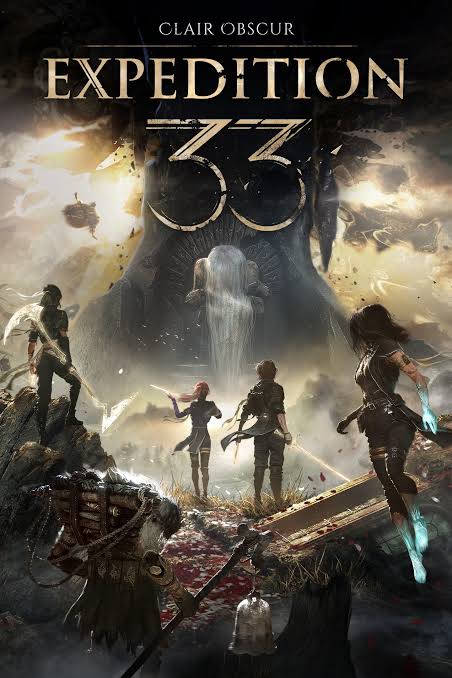
Clair Obscur: Expedition 33 is a groundbreaking achievement from Sandfall Interactive, an upstart studio founded by an ex‑Ubisoft developer driven by a desire to break free from the monotonous output of big companies. Guillaume Broche, the visionary behind the project, has taken a bold leap by creating something fresh and innovative in a market that often nickel‑and‑dimes its players. With a team composed mostly of junior developers, few could have predicted that this title would emerge as a serious contender for game‑of‑the‑year. Broche revealed that developing a game of this caliber through a large company would have taken years, an astounding insight into how traditional studios can be overly risk‑averse, bogged down by meticulous monetary breakdowns and projected sales figures even in volatile markets. Sandfall Interactive’s gamble has clearly paid off, this is an instant hit destined to be played and discussed for years to come.
Welcome to Clair Obscur: Expedition 33, Where the Old Die Young. I’ll do my best to keep spoilers to a minimum, though as of this writing I’m deep into Act 3.
Visual & Audio Mastery
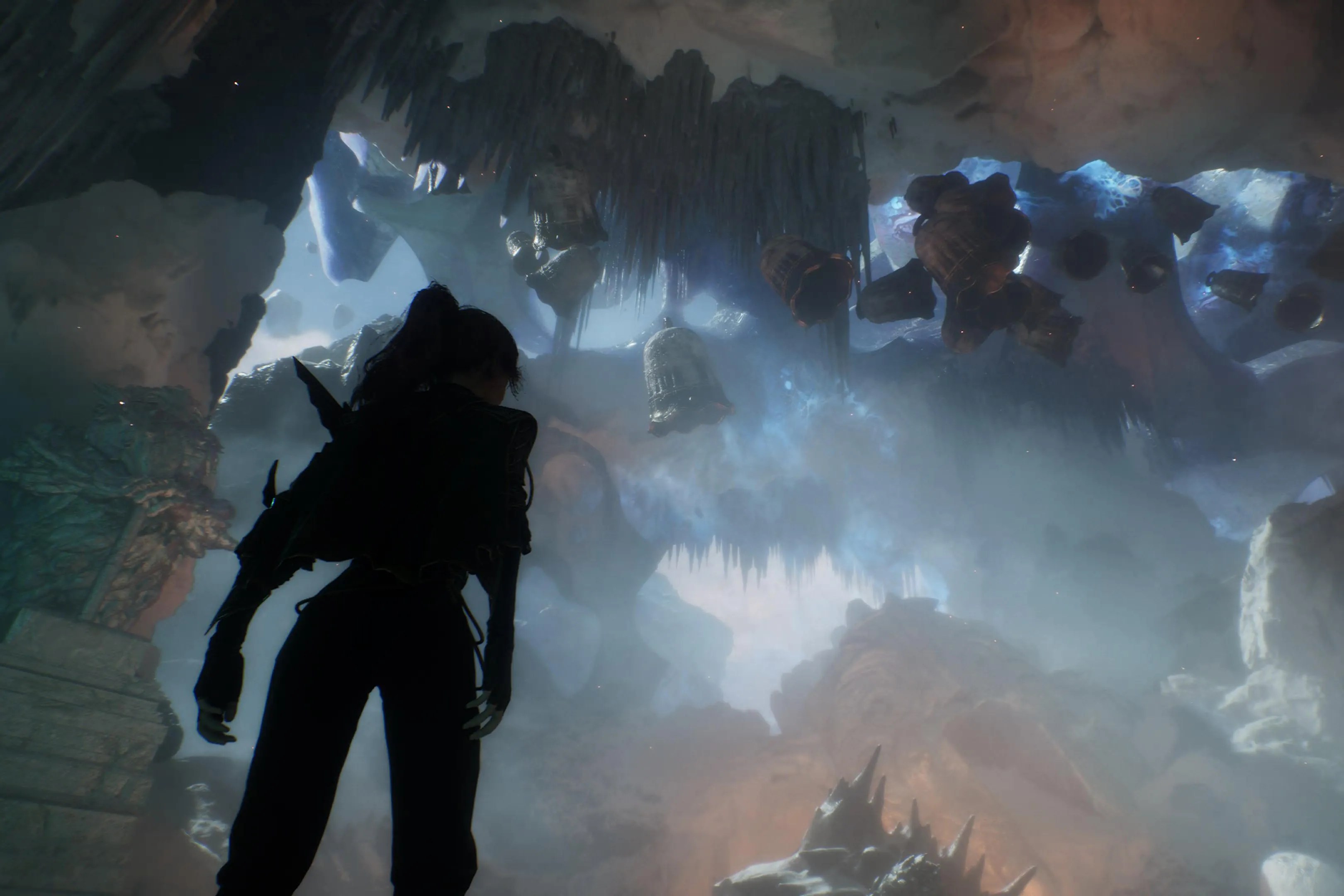
The game is a visual masterpiece. Powered by Unreal Engine 5, every environment bursts with vibrant colors and meticulous detail. Each region’s carefully chosen color palette, masterful lighting, and striking special effects combine to create breathtaking vistas. And while the visuals alone are awe‑inspiring, the ambient soundtrack and precisely designed audio cues further draw you into the world, transforming every moment into a fully immersive experience.
City of Lumiere: Day and Night
Your journey begins in the city of Lumiere, experienced under two dramatically different conditions:
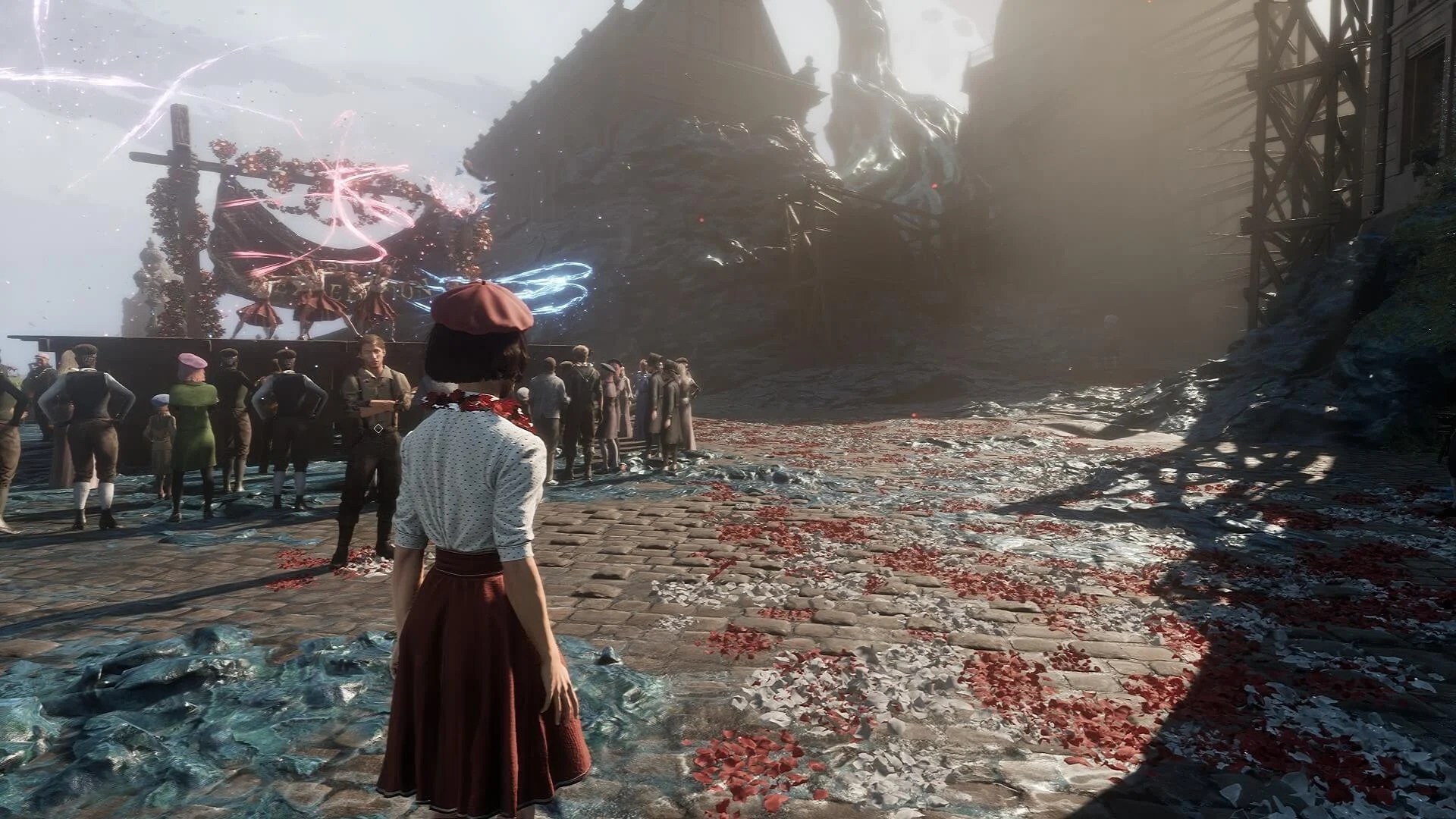
Daytime: The city pulses with life. Flower petals cover the streets, set against a backdrop of long‑accepted urban decay. Light cascades through the architecture, casting intricate shadows that interplay with the blue rock and red petals, a subtle hint at the city’s deeper lore.
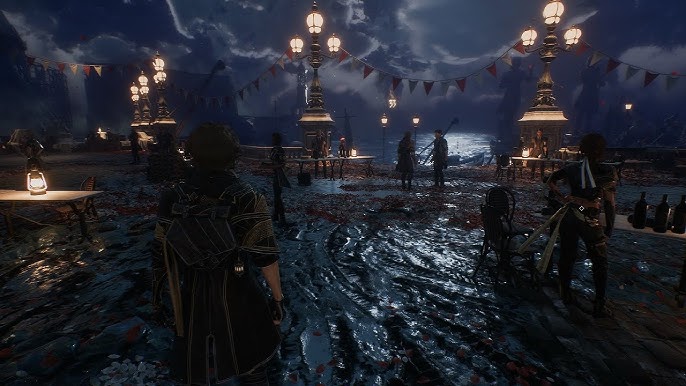
Nighttime: As night falls, the atmosphere transforms. Light reflects off uneven surfaces and water, creating soft, shifting shadows. With fewer people around, an eerie vibe takes over—mirroring the unfolding narrative and drawing you deeper into the mysteries of this richly detailed world.
Diverse Environments & World Map
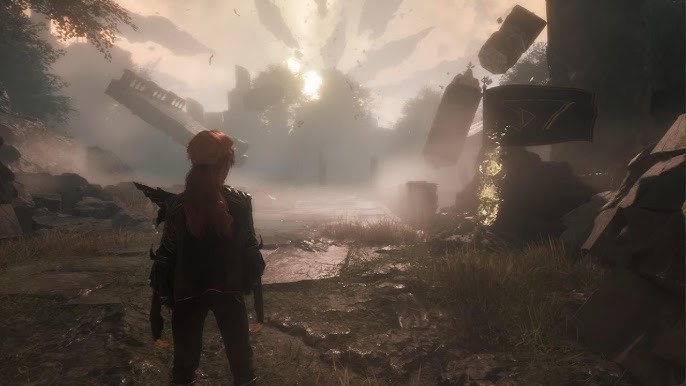
Exploration in Clair Obscur: Expedition 33 never feels repetitive. Beyond Lumiere, you’ll uncover expansive open areas, labyrinthine caves, and winding tunnels, each with its own distinct personality. A harmonious blend of color, light, and sound in every region compels you to pause and absorb the wonder.
The world map itself stands as a testament to detailed design. Every region’s design mirrors its in‑game counterpart with consistent color schemes, deliberate lighting effects, and subtle audio cues that add layers of depth. Watch as creatures soar in the skies or catch fleeting glimpses of map fragments floating above the ground.
Innovative Gameplay & Combat Mechanics
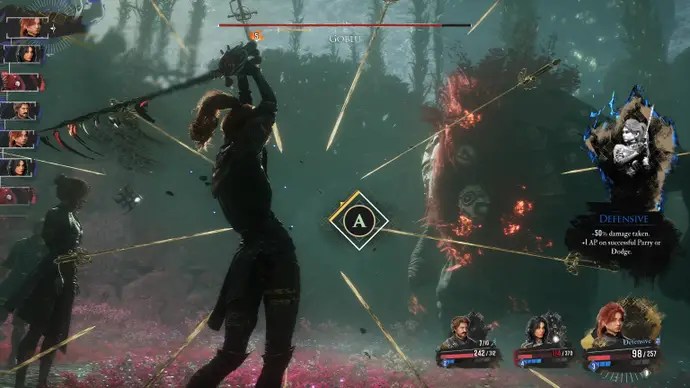
Turning to gameplay, the mechanics are as innovative as they are engaging. At its core, the game is a turn‑based RPG with a twist: during combat, quick‑time events allow you to unleash extra damage with swift reactions. This fusion of strategic planning with bursts of real‑time action rewards precise timing and rapid decision‑making, creating a thrilling balance of risk and reward that keeps every battle fresh.
Defensive play introduces an additional layer of nuance. You have three options:
Dodge: Evade incoming attacks outright.
Parry: Time your block perfectly to deflect and counter an enemy’s move.
Jump: A hybrid maneuver that melds evasion with a timed parry, effective against specific attack types.
This layered defense system demands acute attention to sound cues and animations, especially since many enemy strikes can one‑hit kill a party member. Each foe employs a unique rhythm, challenging you to adapt and refine your strategy with every encounter. Occasionally, the game offers the chance to launch a surprise attack, a nod to the pre‑emptive strike system of Phantasy Star III.
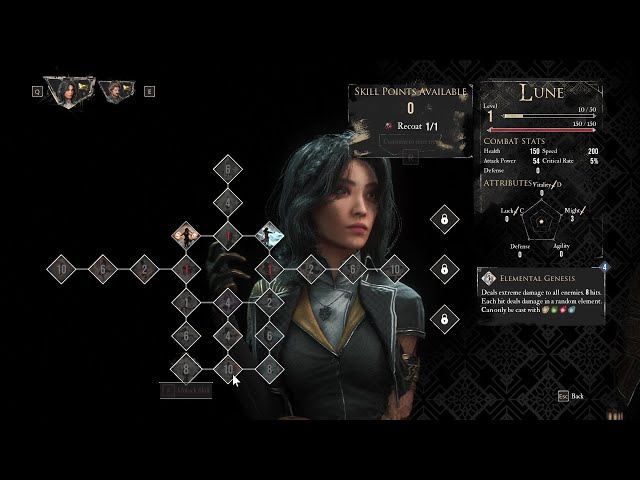
As you level up, you’ll unlock new abilities by spending skill points to boost core stats like Vitality (health) and Might (damage output). Intriguingly, investing in one stat often amplifies others, creating a ripple effect that rewards strategic planning. Dynamic weapon stats with evolving recommendations and an influential elemental system mean that choosing the right upgrade or element at the right moment can turn the tide of battle. With ample chances to respec skills and attributes, the game encourages experimentation; there’s truly no single “best” way to play.
Narrative Integration: Where Gameplay Meets Story
Every element in Clair Obscur: Expedition 33 is designed to weave gameplay seamlessly into a rich narrative tapestry. The visual opulence of Lumiere, with its stark contrasts between daylight vibrancy and nighttime mystery, echoes the deeper themes of decay, resilience, and revelation. The innovative combat mechanics aren’t just about strategy but also serve as a metaphor for the risks and rewards that define the characters’ journeys. Each battle, each exploration, is not merely a challenge to overcome, but a chapter in an evolving story where every choice carries meaning.
This enhanced narrative integration ensures that as you engage with the game’s intricate systems, you’re also drawn into its lore, a narrative where environmental storytelling and dynamic gameplay coalesce to create an experience that is as emotionally engaging as it is visually and mechanically stunning.
Each character in Expedition 33 boasts a unique playstyle, and mastering them takes a little time. For instance, one character features a combo hit counter, in which the more hits you land without taking damage, the higher your damage output climbs (scaling from a D to an S rating). It’s reminiscent of the combo mechanics found in games like Devil May Cry. Another character uses a stance system where different moves shift you into one of three stances:
Defense Stance: Reduced damage received—but also lower damage output.
Virtuose Stance: A powerful mode that lets you deal triple damage, though accessing this stance requires extra conditions tied to the skill in use.
What makes these mechanics even more engaging is how they influence the flow of combat. The combo hit counter rewards aggressive, fluid play, encouraging you to build momentum and stay on the offensive. Meanwhile, the stance system adds a tactical layer where quick adaptation can mean the difference between a successful counterattack and taking unnecessary damage.
The game invites you to experiment with each character’s abilities to discover unique synergies. Adjusting your playstyle on the fly, switching stances or chaining combo hits, creates a dynamic combat experience that remains fresh and challenging throughout. These mechanics not only enhance the overall gameplay but also allow you to tailor your approach to suit your strategic preferences.
There are additional nuances to discover, but I won’t spoil those details if you haven’t yet played the game. I love the variety on offer, and I’ve already set my favorite team for the endgame. Not that I dislike any characters, the variety is one of its strongest points, but I do wish I could use more than one at once in combat.
Character Customization and Story Depth The character designs in Expedition 33 are amazing, with each sporting a distinctive look. As you progress, you’ll have the opportunity to change their clothes and hair, further personalizing their appearance. Each character’s style, ranging from battle scars to unique tattoos, helps to establish a memorable personality.
Moreover, every character has an individual backstory and compelling reasons for joining Expedition 33. It feels like a series of bombshell revelations as you learn more about your companions, the kind of connection I haven’t experienced with another cast since Mass Effect. Each well-crafted story delivers its own “no way” moments, and with multiple endings available, I’m eager to see how my personal narrative unfolds.
World Exploration and Environmental Depth It isn’t just the main characters that draw you in; the game also offers a rich exploration of its world. You get help from Esquie, an NPC whose quirky interactions add an extra layer of fun as you transverse the map. Other characters also provide deeper interactions that enrich the overall emotional landscape.
Discovery is a constant thrill here, finding journals from previous expeditions (that failed to find and defeat the Paintress) sheds light on the lore and mystery of this strange world. With talks of a movie adaptation, the lore is set to become even deeper and more enriching.
The world map itself is generously sized and gradually opens up as you progress. Brimming with boss fights, exploratory instances, and hidden secrets, I find myself journeying through each area simply because I don’t want the game to end. Some regions are much higher level than you might expect, you can usually tell by encountering tougher enemies or getting a pre-entry warning for an instance if you’re under-leveled.
The area maps, what I call “instances”, vary in size. Some are expansive, offering multiple paths and hidden corners, while others are compact, linear spaces that still pack plenty of exploration opportunities. These areas are designed to reflect their surroundings; for example, a mountainous region might lead you to a cave with interior hues echoing the rugged exterior.
Every area is beautifully crafted, from the ambient design and atmospheric feel to the unique creatures that inhabit them. With treasures tucked away in every nook, you’ll be compelled to explore each corner, wary of missing out on something extraordinary.
Performance and Overall Impressions Expedition 33 has quickly become a massive hit, selling over 2 million copies in its first few weeks, yet it isn’t without its hiccups. As with many Unreal Engine 5 titles, there are occasional frame rate drops and moments of slight voice/lip sync misalignment. Some boss parry and dodge timings feel off, and at times, inputs (especially when parrying) don’t register as expected.
Despite these technical issues, my overall enjoyment of the game remains high. Clair Obscur: Expedition 33 encapsulates everything I look for in a game: fun, excitement, deep character attachment, and immersive exploration, a welcome change from many modern AAA titles.
Pros & Cons Summary Below is a quick snapshot of Expedition 33’s strengths and areas for improvement:
Pros:
Rich character customization and diverse playstyles
Deep, engaging backstories reminiscent of Mass Effect
An expansive, intricately designed world with plenty of secrets to uncover
A unique blend of action and narrative that keeps you invested
Cons:
Occasional gameplay hiccups, including frame rate drops and input issues
Some technical imperfections (e.g., voice/lip sync synchronization)
Looking Ahead: Future Expectations While the current experience is impressive, I’m hopeful for future updates that address some of the minor performance issues and further refine combat responsiveness. It would be exciting to see the developers add deeper customization options, more dynamic interaction between characters, and even richer lore as the game evolves. With the strong foundation Sandfall Interactive has built, there’s every reason to expect even greater adventures ahead.
Community Engagement I’d love to hear your thoughts. Which character or playstyle caught your attention the most? Do you think the game’s approach to storytelling and exploration sets a new standard for indie titles? Let’s get a conversation going in the comments!
Until next time, stay sharp and keep gaming. Panda out.
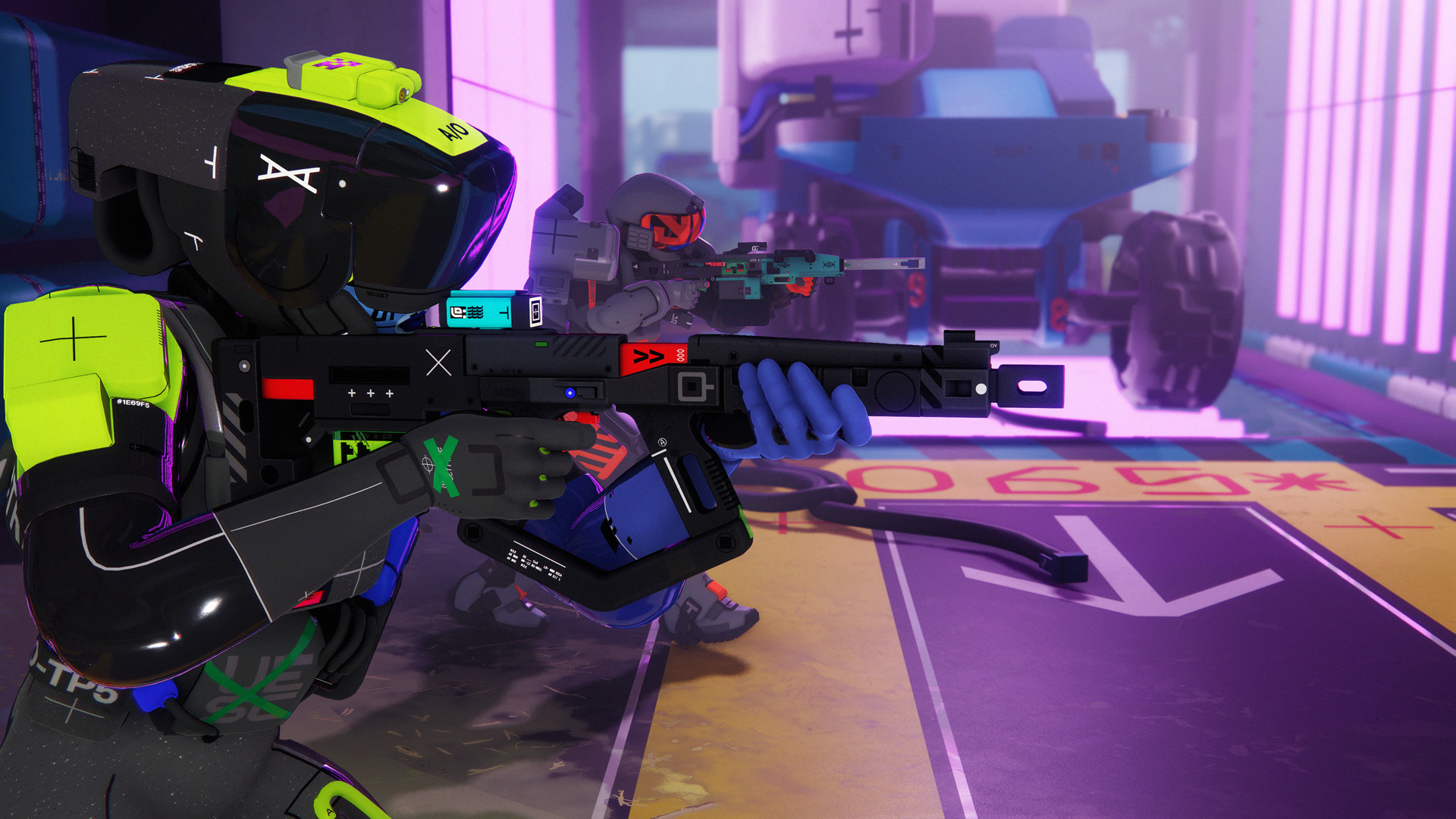
Bungie’s reputation for innovation has taken another hit with allegations of plagiarism surrounding its upcoming extraction shooter, Marathon. Independent artist Fern Hook (4nt1r34l) has claimed that Bungie used her designs without permission, igniting widespread criticism from the gaming community.
The Marathon Controversy
Recent comparisons between Marathon concept art and Hook’s original work have surfaced online, showing striking similarities. Hook, a well-respected independent artist, took to X to express her frustration, stating:
“The Marathon alpha released recently, and its environments are covered with assets lifted from poster designs I made in 2017. Bungie is of course not obligated to hire me when making a game that draws overwhelmingly from the same design language I have refined for the last decade, but clearly my work was good enough to pillage for ideas and plaster all over their game without pay or attribution.” — Fern Hook (Source on X)
Known for her distinctive sci‑fi aesthetic, melding intricate geometric designs with bold colours, Fern Hook’s portfolio showcases years of meticulous work and a unique visual identity that many now see reflected in Marathon.
Bungie has responded with a short statement denying any wrongdoing:
“We immediately investigated a concern regarding unauthorized use of artist decals in Marathon and confirmed that a former Bungie artist included these in a texture sheet that was ultimately used in-game. This issue was unknown by our existing art team, and we are still reviewing how this oversight occurred. We take matters like this very seriously. We have reached out to @4nt1r34l to discuss this issue and are committed to do right by the artist. As a matter of policy, we do not use the work of artists without their permission.” — Bungie (Source on X)
Bungie’s History of Plagiarism
Unfortunately, this isn’t the first time Bungie has faced accusations of plagiarism. Over the years, similar concerns have arisen about elements in their games, including:
Destiny’s Iconography and Armor Designs: Several pieces of Destiny’s armor and symbols have been compared to existing works from lesser-known creators. While some cases were dismissed as mere homage, others sparked deeper concerns over artistic integrity. For instance, Bungie is currently facing a lawsuit over alleged plagiarism in Destiny 2’s Red War campaign.
Halo’s Covenant Design: Certain alien designs in Halo bear strong similarities to works from sci‑fi illustrators who were never credited.
Weapon Models and Art Assets: Some of Bungie’s weapons and in‑game assets resemble near‑identical concepts from other games, suggesting this isn’t merely an isolated incident but part of a broader trend. Additional issues surrounding Destiny 2 content vaulting, which complicates Bungie’s defense against plagiarism claims.
Community Response and Industry Impact
The gaming community has voiced strong opinions on the matter, with many calling for Bungie to both credit and compensate Fern Hook for the use of her work. Developers and artists across the industry have rallied behind her, urging Bungie to take meaningful action.
Multiple discussions online have highlighted this controversy as a symptom of a broader issue: large studios often disregard the contributions of independent artists. This situation has reignited calls for stronger protections and accountability regarding intellectual property in the gaming industry.
Fern Hook later followed up on her initial post, expressing her gratitude for the overwhelming support:
“I never expected this level of response. Seeing fellow artists and gamers call this out means the world to me. I just want proper credit, and for people to understand how often this happens in the industry.” — Fern Hook (Source on X)
As Marathon moves toward release, the gaming community remains vigilant, ensuring that Bungie is held accountable for any further missteps.
The Impact on Independent Creators
Beyond the immediate controversy, the broader implications of plagiarism are deeply damaging to independent artists. For many creators, their work isn’t just a form of expression, it’s also their livelihood. When large studios appropriate designs without proper credit or compensation, these artists lose potential income and opportunities to secure commissions or future partnerships. This financial loss can force talented individuals to struggle for recognition in an already competitive field.
Plagiarism also stifles creativity. Independent artists invest countless hours refining their unique visual styles and building their portfolios. When a major studio borrows heavily from their work without acknowledgment, it sends a discouraging message: original ideas can be exploited without consequence. This not only undermines the artist’s effort but can also deter them, and others, from taking creative risks, potentially leading to a homogenized industry where innovation is sacrificed for familiarity.
Moreover, such incidents erode trust within the creative community. When independent artists see their work repurposed without proper credit, it creates a barrier between emerging talent and established industry giants. This disconnect hinders collaborative progress and fosters an environment where creators feel undervalued and unsupported. Ultimately, for the gaming industry to truly flourish, major players must adopt ethical practices that honor and protect the contributions of every creative voice.
Corporate Vigilance and Ethical Practices
In addition to the damaging effects on independent creators, large companies bear a responsibility to uphold a culture of originality and ethical creativity. To prevent incidents of plagiarism, studios should implement strict internal review protocols. This means establishing multi-level approval processes and dedicated creative oversight teams to ensure that every piece of art or design is thoroughly vetted before inclusion in any project.
Legal checks and comprehensive training on intellectual property rights should also be standard practice. By instituting rigorous internal audits and ensuring that every external work is properly licensed and credited, companies can avoid missteps that lead to accusations, or instances, of plagiarism.
Beyond internal measures, proactive engagement with the creative community is essential. Open dialogue, transparent collaboration, and even direct partnerships with independent artists can help large studios build mutual trust. When companies value and protect the contributions of smaller creators, they not only safeguard themselves against potential legal and public relations issues, but also foster a richer and more innovative creative ecosystem.
Ultimately, embracing these ethical practices can transform a reactive approach to plagiarism into a proactive commitment to originality and respect for all artists, a move that benefits the industry as a whole.
This week, the gaming community was shaken by reports of a massive Steam data breach, allegedly affecting 89 million accounts. The claim, originating from a LinkedIn post, suggested that user data, including phone numbers and two-factor authentication (2FA) codes, was being sold on the dark web for a mere $5,000. Naturally, panic ensued.
Was Steam Actually Hacked?
Despite the alarming headlines, Valve has officially denied any breach of Steam’s systems. According to their investigation, the leaked data consists of old SMS messages containing one-time passcodes, which are only valid for 15 minutes. These codes were not linked to Steam accounts, passwords, payment details, or any other sensitive information. In short, while some data surfaced online, it does not pose a direct security threat to Steam users.
Where Did the Leak Come From?
While Steam itself remains uncompromised, the source of the leaked SMS data is still unclear. Some speculate that a third-party service handling Steam’s authentication messages may have been targeted. Companies like Twilio, which provide SMS-based authentication services, were initially suspected, but Twilio has denied any involvement. Valve continues to investigate how this data ended up online.
What Should Steam Users Do?
Even though this incident does not require immediate action, it serves as a reminder to strengthen account security. Here are some steps you can take:
Enable Steam Guard Mobile Authenticator instead of relying on SMS-based 2FA.
Check your authorized devices to ensure no unauthorized logins.
Use a strong, unique password and consider a password manager for added security.
Final Thoughts
While the Steam hack scare turned out to be a false alarm, it highlights the importance of cybersecurity in gaming. With millions of accounts at stake, staying vigilant and proactive about security is always a good idea.