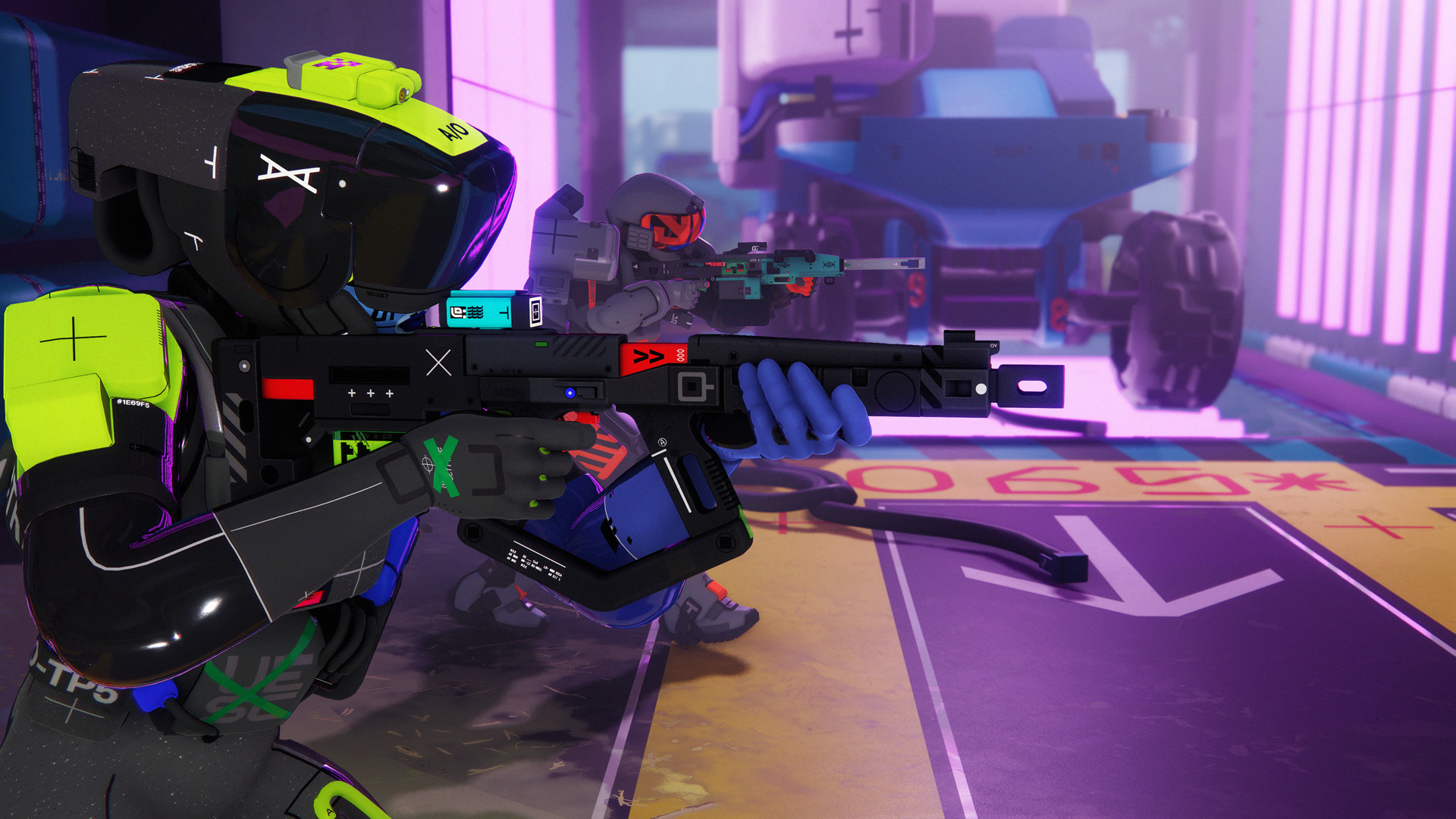
Bungie’s reputation for innovation has taken another hit with allegations of plagiarism surrounding its upcoming extraction shooter, Marathon. Independent artist Fern Hook (4nt1r34l) has claimed that Bungie used her designs without permission, igniting widespread criticism from the gaming community.
The Marathon Controversy
Recent comparisons between Marathon concept art and Hook’s original work have surfaced online, showing striking similarities. Hook, a well-respected independent artist, took to X to express her frustration, stating:
“The Marathon alpha released recently, and its environments are covered with assets lifted from poster designs I made in 2017. Bungie is of course not obligated to hire me when making a game that draws overwhelmingly from the same design language I have refined for the last decade, but clearly my work was good enough to pillage for ideas and plaster all over their game without pay or attribution.”
— Fern Hook (Source on X)
Known for her distinctive sci‑fi aesthetic, melding intricate geometric designs with bold colours, Fern Hook’s portfolio showcases years of meticulous work and a unique visual identity that many now see reflected in Marathon.
Bungie has responded with a short statement denying any wrongdoing:
“We immediately investigated a concern regarding unauthorized use of artist decals in Marathon and confirmed that a former Bungie artist included these in a texture sheet that was ultimately used in-game. This issue was unknown by our existing art team, and we are still reviewing how this oversight occurred. We take matters like this very seriously. We have reached out to @4nt1r34l to discuss this issue and are committed to do right by the artist. As a matter of policy, we do not use the work of artists without their permission.”
— Bungie (Source on X)
Bungie’s History of Plagiarism
Unfortunately, this isn’t the first time Bungie has faced accusations of plagiarism. Over the years, similar concerns have arisen about elements in their games, including:
- Destiny’s Iconography and Armor Designs: Several pieces of Destiny’s armor and symbols have been compared to existing works from lesser-known creators. While some cases were dismissed as mere homage, others sparked deeper concerns over artistic integrity. For instance, Bungie is currently facing a lawsuit over alleged plagiarism in Destiny 2’s Red War campaign.
- Halo’s Covenant Design: Certain alien designs in Halo bear strong similarities to works from sci‑fi illustrators who were never credited.
- Weapon Models and Art Assets: Some of Bungie’s weapons and in‑game assets resemble near‑identical concepts from other games, suggesting this isn’t merely an isolated incident but part of a broader trend. Additional issues surrounding Destiny 2 content vaulting, which complicates Bungie’s defense against plagiarism claims.
Community Response and Industry Impact
The gaming community has voiced strong opinions on the matter, with many calling for Bungie to both credit and compensate Fern Hook for the use of her work. Developers and artists across the industry have rallied behind her, urging Bungie to take meaningful action.
Multiple discussions online have highlighted this controversy as a symptom of a broader issue: large studios often disregard the contributions of independent artists. This situation has reignited calls for stronger protections and accountability regarding intellectual property in the gaming industry.
Fern Hook later followed up on her initial post, expressing her gratitude for the overwhelming support:
“I never expected this level of response. Seeing fellow artists and gamers call this out means the world to me. I just want proper credit, and for people to understand how often this happens in the industry.”
— Fern Hook (Source on X)
As Marathon moves toward release, the gaming community remains vigilant, ensuring that Bungie is held accountable for any further missteps.
The Impact on Independent Creators
Beyond the immediate controversy, the broader implications of plagiarism are deeply damaging to independent artists. For many creators, their work isn’t just a form of expression, it’s also their livelihood. When large studios appropriate designs without proper credit or compensation, these artists lose potential income and opportunities to secure commissions or future partnerships. This financial loss can force talented individuals to struggle for recognition in an already competitive field.
Plagiarism also stifles creativity. Independent artists invest countless hours refining their unique visual styles and building their portfolios. When a major studio borrows heavily from their work without acknowledgment, it sends a discouraging message: original ideas can be exploited without consequence. This not only undermines the artist’s effort but can also deter them, and others, from taking creative risks, potentially leading to a homogenized industry where innovation is sacrificed for familiarity.
Moreover, such incidents erode trust within the creative community. When independent artists see their work repurposed without proper credit, it creates a barrier between emerging talent and established industry giants. This disconnect hinders collaborative progress and fosters an environment where creators feel undervalued and unsupported. Ultimately, for the gaming industry to truly flourish, major players must adopt ethical practices that honor and protect the contributions of every creative voice.
Corporate Vigilance and Ethical Practices
In addition to the damaging effects on independent creators, large companies bear a responsibility to uphold a culture of originality and ethical creativity. To prevent incidents of plagiarism, studios should implement strict internal review protocols. This means establishing multi-level approval processes and dedicated creative oversight teams to ensure that every piece of art or design is thoroughly vetted before inclusion in any project.
Legal checks and comprehensive training on intellectual property rights should also be standard practice. By instituting rigorous internal audits and ensuring that every external work is properly licensed and credited, companies can avoid missteps that lead to accusations, or instances, of plagiarism.
Beyond internal measures, proactive engagement with the creative community is essential. Open dialogue, transparent collaboration, and even direct partnerships with independent artists can help large studios build mutual trust. When companies value and protect the contributions of smaller creators, they not only safeguard themselves against potential legal and public relations issues, but also foster a richer and more innovative creative ecosystem.
Ultimately, embracing these ethical practices can transform a reactive approach to plagiarism into a proactive commitment to originality and respect for all artists, a move that benefits the industry as a whole.
Until next time, stay sharp and keep gaming.
Panda out.
References:
Image – Bungie – https://www.marathonthegame.com/announcement
