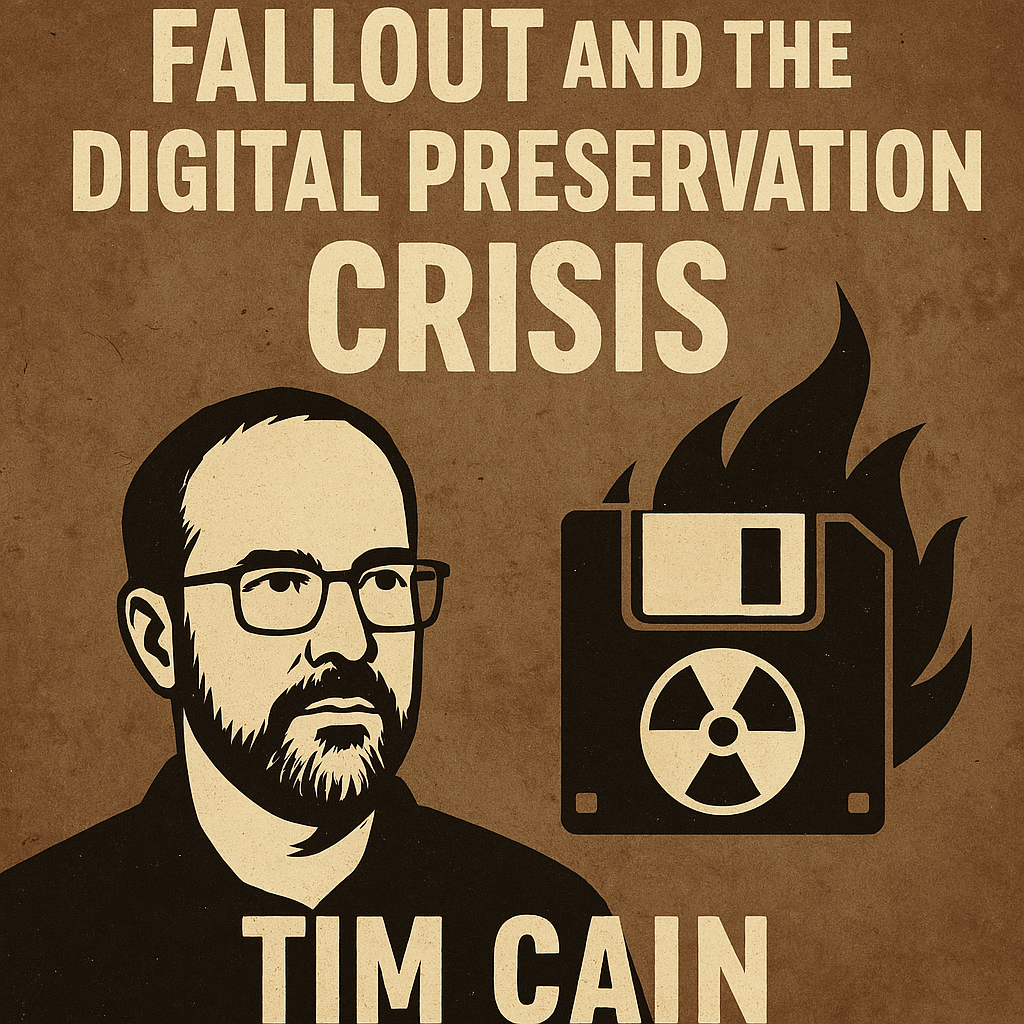
In an era when video games are recognised as cultural touchstones, it’s deeply troubling to learn how fragile their legacy actually is. Case in point: Fallout, one of the most iconic RPGs of all time, nearly had its source material wiped from history… deliberately.
Tim Cain’s Revelation: A Fallout of Its Own
Tim Cain, co-creator of Fallout, recently dropped a bombshell: after leaving Interplay in the early 2000s, he was forced to destroy all of his Fallout source materials, including early code, design documents, and a version of the game built around the GURPS system. The directive came with legal threats, Interplay, like many studios then and now, treated any backup materials as proprietary property, even those created by the developers themselves.
The twist? Interplay later lost its own copy.
Let that sink in. A foundational piece of gaming history nearly vanished because of a draconian IP policy combined with poor archival practices. The original Fallout that could have served modders, historians, and indie devs as a wellspring of innovation was thrown out, not by accident, but by design.
“If you take the authority to keep these things and tell other people not to, then you also have to take the responsibility to keep them.” — Tim Cain
This Isn’t an Isolated Incident
Cain’s experience is a symptom of a much larger issue. Across the industry, especially in legacy Western studios, there’s a growing list of games whose assets have been lost, corrupted, or intentionally deleted:
- GoldenEye 007, once thought to be irretrievable before a leaked build surfaced
- StarCraft: Ghost, an entire game lost to the vault
- P.T., deliberately pulled and now only accessible via modded systems
What ties these cases together is a lack of industry-wide standards for digital preservation. Games aren’t just executable files, they’re complex works of art with interconnected codebases, music, assets, and documentation. And yet, there’s no requirement for companies to maintain archives, much less release them for study or posterity.
This Is Why “Stop Killing Games” Matters
The Tim Cain revelation is exactly why campaigns like Stop Killing Games are gaining momentum. These advocacy movements are challenging an industry that too often prioritises control over conservation. They aim to:
- Raise public awareness about delisted, removed, or inaccessible titles
- Pressure publishers to preserve source code and assets
- Advocate for the right to repair, mod, and maintain access to digital content
Because when companies delete history, communities become the last line of defence.
Final Thoughts
Video games are more than entertainment, they’re stories, innovations, and shared memories. When studios discard their own legacies, they’re not just erasing code; they’re erasing culture.
The Fallout incident should be a rallying cry. Whether you’re a player, developer, historian, or modder, preservation is a fight for creative continuity. We shouldn’t have to rely on leaks, luck, or legal grey areas to save our digital past. It’s time for the industry to stop treating its own history as expendable.
Until next time, stay sharp and keep gaming. Panda out.
References
- Tim Cain. (2024). Fallout’s Secret History. YouTube. https://www.youtube.com/watch?v=example
- Stop Killing Games. (2024). Campaign site. https://stopkillinggames.com
- The Video Game History Foundation. (2024). https://gamehistory.org
- Gamasutra. (2011). “Why Classic Game Source Code Keeps Disappearing”
- The Verge. (2016). “P.T. and the Problem of Digital Erasure”
- PC Gamer. (2020). “The Struggle to Preserve StarCraft: Ghost”