Posts tagged video-games

Nintendo’s Patent Pushback

The Pokémon Company and Nintendo have never been shy about guarding their IP, but their latest legal manoeuvres against indie developer Pocket Pair are raising eyebrows across the gaming community, and not for the usual reasons.

At the centre of the storm is Palworld, the wildly popular “Pokémon with guns” survival game. Nintendo claims the game infringes on several core Pokémon mechanics, specifically patents related to creature-catching, combat interactions, and mount-switching behaviour. But rather than letting the suit play out as-is, Nintendo has taken the unusual step of rewording one of its active patents mid-case, prompting critics to call it a stretch, or worse, a strategic smokescreen.

Shifting Patents and Strange Moves

The revised patent now includes language like “even when,” which might sound harmless, but in legal circles, it’s seen as slippery phrasing. Florian Mueller, a respected IP specialist, described the wording as “extremely contorted,” suggesting the rewrite weakens the patent’s clarity. It seems designed to broaden the scope, possibly snagging more games and mechanics in the legal net.

It’s a rare move, and one that signals Nintendo may lack confidence in the original claim’s enforceability.

Pocket Pair’s Response and Tweaks

Pocket Pair isn’t exactly folding under pressure. They’ve already rolled out updates tweaking creature animations, removing gliding features, and altering the Pal Sphere system, all in an effort to distance Palworld from direct comparisons with Pokémon.

Their defence also points to design precedents from games like Titanfall 2, Rune Factory, and Monster Hunter Stories, arguing that these mechanics existed well before Nintendo’s patents were even filed.

What’s at Stake

Beyond Palworld and Pokémon, this case raises deeper concerns about how game mechanics are treated under intellectual property law. If broadly worded patents are used to gatekeep systems like mount-switching or monster catching, staples across gaming genres, then smaller studios may start avoiding innovation out of fear, even when the mechanics aren’t proprietary.

Legal overreach like this creates a chilling effect. It’s not just about protecting IP, it’s about deciding who gets to build on shared design foundations and who doesn’t.

Mechanics at Risk – Shared Ideas, Not Stolen Designs

To put things in perspective, here’s a breakdown of how common gameplay mechanics have been used across AAA titles and indie projects alike, often decades before Nintendo’s latest patent revisions:

MechanicAAA ExamplesIndie ExamplesFirst Appearance (Approx.)
Creature TamingPokémon, ARK: Survival EvolvedPalworld, Temtem1996 (Pokémon Red/Blue)
Mount SwitchingBreath of the Wild, World of WarcraftChocobo GP, Palworld1994 (Final Fantasy VI)
Inventory CraftingFallout 4, Skyrim, MinecraftValheim, Don’t Starve, Core Keeper2007 (Minecraft)
Ricochet ShootingTitanfall 2, Max PayneRoboCop: Rogue City2001 (Max Payne)
Companion UpgradesMass Effect, Dragon AgeInto the Breach, Wasteland 32006 (Mass Effect)
Environmental HealingBorderlands, FalloutPalworld, The Long Dark2008 (Fallout 3)
Turret HackingWatch Dogs, Deus Ex: Human RevolutionRoboCop: Rogue City, République2011 (Deus Ex: HR)
Safe CrackingThief, Fallout: New VegasRoboCop: Rogue City, The Escapists1998 (Thief: The Dark Project)

These mechanics aren’t owned, they’re iterated, evolved, and borrowed like ingredients in a shared design pantry. Claiming monopoly over them risks turning creativity into a courtroom formality.

Final Thoughts

Whether Nintendo’s approach is a defensive overreach or a justified reaction to imitation, one thing’s clear, this case could reshape how we define ownership in game mechanics. As for Pocket Pair, their willingness to adapt without folding completely sets a bold precedent. Indie devs, take notes.

It’s a crossroads moment for game design: protect innovation, or bury it under bureaucracy. Fans, critics, and developers alike should be paying close attention, because the outcome could impact how we play for years to come.

Until next time, stay sharp and keep gaming, Panda out.

Reference List

Legal Case and Patent Details

Gameplay Mechanics Precedents

Comments (1) »

Microsoft’s Xbox Studio Reshuffle: What’s Really at Stake?

Microsoft has initiated a sweeping reorganisation of its Xbox Game Studios, closing The Initiative and cancelling high-profile projects like Perfect Dark and Everwild. This strategic pivot, couched in corporate speak as “prioritising the strongest opportunities”, is more than just internal restructuring. It’s a glimpse into the fragility of creative ambition when it collides with commercial realities.

The Fallout: Cancelled Visions and Disbanded Teams

The shuttering of The Initiative marks a major deviation from the studio’s original purpose: delivering high-calibre, experimental AAA experiences. Despite being stacked with veteran talent from Crystal Dynamics and Santa Monica Studio, the Perfect Dark reboot never made it to release. Rare’s Everwild, a nature-themed title with striking artistic direction, was also abruptly scrapped.

This reshuffle has left countless developers out of work and long-nurtured projects erased. While Microsoft frames this as a necessary focus on efficiency, for many it feels like artistic erasure.

Cancelled Projects: What’s Been Lost

Microsoft’s restructuring has led to the cancellation of several high-profile and in-development projects, some years in the making. These aren’t just titles on a roadmap; they represent creative visions, studio legacies, and thousands of hours of work now consigned to history.

Confirmed Cancelled Projects

  • Perfect Dark (Reboot) – Once a flagship revival led by The Initiative, this project was scrapped alongside the studio’s closure. Despite a flashy trailer in 2024, reports suggest the footage may not have reflected actual gameplay.
  • Everwild – Rare’s ambitious, nature-themed IP was cancelled after a troubled development cycle and multiple reboots. Studio veteran Gregg Mayles departed following the decision.
  • Project Blackbird – An unannounced MMORPG from ZeniMax Online Studios, in development since 2018, was quietly cancelled amid broader cuts.
  • Romero Games’ FPS – A first-person shooter from John and Brenda Romero lost its funding after Microsoft, the unnamed publisher, withdrew support. The studio has since shut down.
  • Warcraft Rumble (Content Support) – While the mobile game remains online, Blizzard has ceased new content development, effectively sunsetting its future.

Additional Unannounced Projects

Multiple sources report that several other unannounced titles across Xbox Game Studios and partner developers were also cancelled. These include early-stage concepts and prototypes that may never be publicly disclosed, but whose loss still represents a blow to creative diversity within the Xbox ecosystem.

Strategic Shift or Financial Tightening?

Microsoft’s rationale centres on streamlining operations to maximise impact. But against the backdrop of a revenue-driven industry, where live service models dominate and risks are increasingly rare, the cancellations point to a deeper retreat from experimental, narrative-first design.

Rather than pushing boundaries, Xbox’s latest moves suggest a refocus on tried-and-tested formulas, safe franchises and scalable monetisation, where creativity often takes a backseat.

Developer Voices: Inside the Fallout

Developers haven’t held back. A Halo team member told Engadget, “I’m personally super pissed that Phil’s email to us bragged about how this was the most profitable year ever for Xbox in the same breath as pulling the lever.” That contrast between record profits and mass layoffs struck a chord across the community.

By 2022, over half of The Initiative’s staff had already departed, hinting at deeper internal struggles. Veteran Rare designer Gregg Mayles also reportedly left after Everwild’s cancellation, a symbolic loss for a studio once synonymous with bold British innovation.

Historical Context: Studios That Shaped Xbox’s Identity

  • Rare began in 1985 and was behind GoldenEye 007, Banjo-Kazooie, and Perfect Dark. After its acquisition by Microsoft in 2002, Rare transitioned from whimsical platformers to service-first titles like Sea of Thieves.
  • The Initiative was launched in 2018 with promises of autonomy and prestige. Despite its strong pedigree, management hurdles and lack of clarity around vision stifled its output. The studio closed in mid-2025, never shipping a single game.

Indie Resilience: A Counterpoint to Corporate Consolidation

Independent developers continue to flourish by leaning into authenticity. Celeste and Citizen Sleeper tackle themes like trauma, resistance, and mental health with sincere storytelling and gameplay innovation. Citizen Sleeper 2, for example, uses broken dice to metaphorically explore psychological healing.

Even Balatro, a quirky roguelike card game, earned praise for encouraging strategic adaptability, traits sorely needed in a creatively volatile industry.

The Human Cost: Thousands of Jobs on the Line

The scale of Microsoft’s restructuring goes beyond cancelled titles and closed studios, it’s a sweeping overhaul that could affect up to 2,000 jobs within its Xbox division alone. That figure represents approximately 10% of the company’s gaming workforce, hitting key teams across Rare, ZeniMax, and Turn 10. The Initiative has already shuttered, while projects like Perfect Dark, Everwild, and ZeniMax’s MMO codenamed Blackbird have been quietly scrapped.

These layoffs are part of a broader company-wide reduction estimated to impact around 9,000 employees globally, roughly 4% of Microsoft’s total workforce. The juxtaposition of these cuts with record profits has drawn sharp criticism internally, underscoring growing tension between financial performance and employee wellbeing.

Industry insiders warn that these reductions could lead to long-term creative stagnation. When experienced teams are dissolved and ambitious projects cancelled mid-development, the ripple effect is felt across future innovation and morale, especially among younger studios now hesitant to experiment or invest in bold ideas.

A Call to Action for Players and Creators

Players and creators must continue to champion diversity and boldness in gaming. This means holding studios accountable, supporting indie efforts, and demanding ethical practices in how games are made and marketed. Creative risk should be rewarded, not buried beneath restructuring memos and shareholder briefings.

Xbox may be refocusing, but the wider gaming community still has the power to steer the conversation back toward passion, artistry, and progress.

Final Thoughts

Microsoft’s studio reshuffle exposes a delicate balance between commerce and creativity. When visionary projects are cancelled, we lose more than games, we lose potential futures for the medium.

Yet, this moment also reinforces the strength of independent voices. From small studios to solo devs, resilience shines through artfully crafted experiences that resist compromise. The role of the player isn’t passive, we are curators, critics, and supporters of what gaming could be when it is led by imagination, not margin.

Until next time, stay sharp and keep gaming. Panda out.

References

Comments (1) »

Nintendo’s “Random” Isn’t Random Anymore, And Mario Kart World Players Aren’t Having It

In a franchise built on speed, chaos, and choice, Nintendo has just slammed the brakes on one of Mario Kart World’s most beloved workarounds. The latest update has quietly, but significantly, altered how online matchmaking works, and fans are calling foul.

The Trick That Made Online Play Bearable

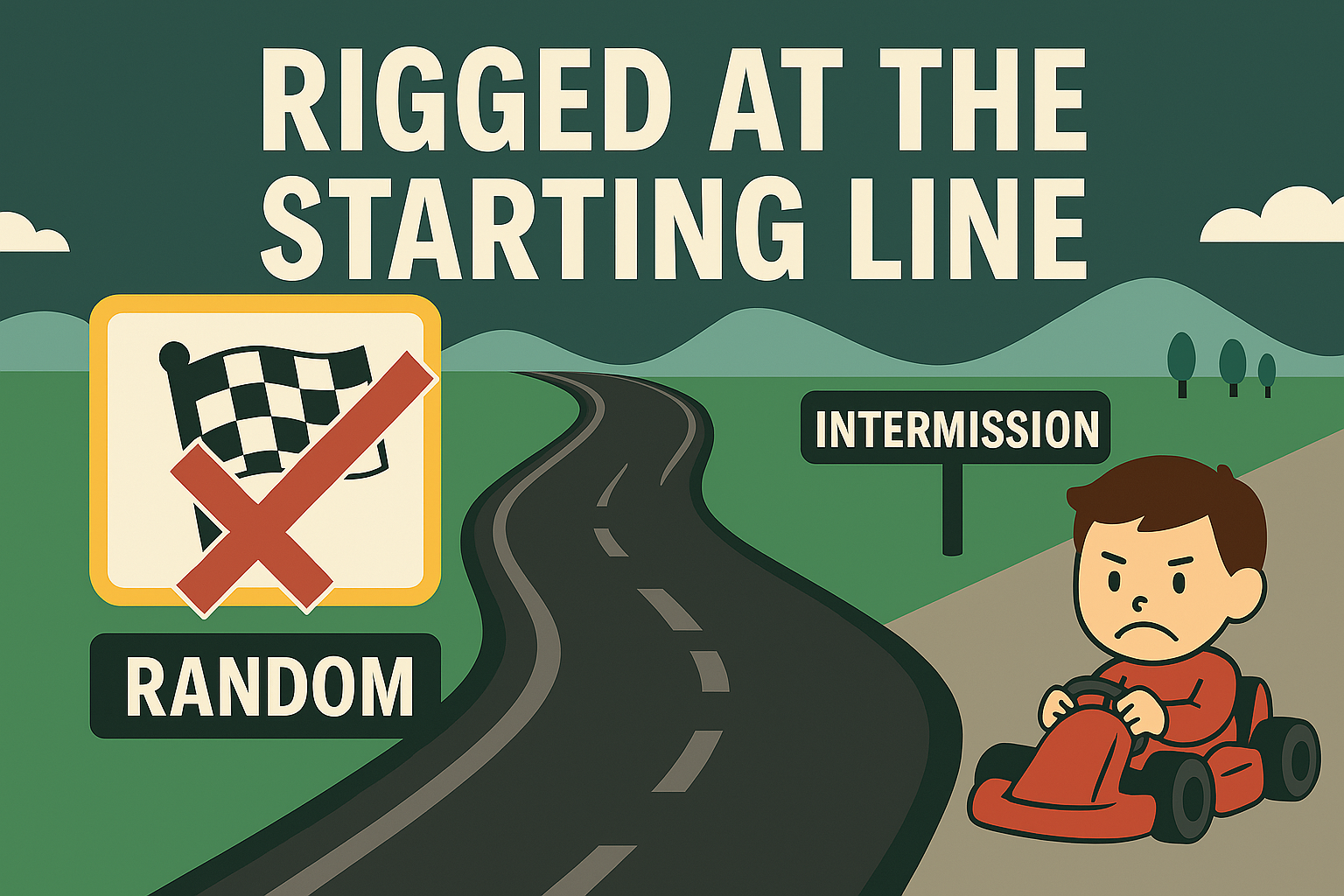
Until recently, Mario Kart World players had discovered a clever way to bypass the game’s divisive intermission tracks, long, linear segments that connect one course to another. These intermissions often eat into lap counts and feel more like filler than fun.

The workaround? Pick “Random.” This option reliably dropped players into classic three-lap races, skipping the intermission slog entirely. It became the go-to choice in online lobbies, with entire groups defaulting to Random just to get a proper race.

The Update That Changed Everything

Nintendo’s latest patch (Ver. 1.1.2) “adjusted courses selected in ‘Random’”, a vague phrase that, in practice, means Random now includes intermission tracks. The result? Players who once had a reliable escape now find themselves funneled back into the very content they were trying to avoid.

This isn’t just a technical tweak, it’s a philosophical one. Nintendo is effectively saying: You will play the game our way.

Community Reaction: Furious, Frustrated, Fed Up

The backlash has been swift and vocal:

  • “They removed the one saving grace of online play,” one player lamented
  • Others say the change has “killed” the online mode entirely
  • YouTuber PapaGenos summed it up: Give players options. Don’t force this stuff.”

Even casual players are noticing the shift, with many reporting that the joy of quick, satisfying races has been replaced by tedious transitions and unpredictable pacing.

Review Bombing Hits Metacritic

The frustration has spilled over to Metacritic, where Mario Kart World is now being review bombed. The user score has dropped from around 8.3 to 7.5 in just a few days, with a surge of negative reviews citing the forced intermission tracks as the tipping point.

Some users have gone as far as rating the game 0/10, not because the core gameplay is broken, but to protest Nintendo’s refusal to listen.

User Review Quotes

“This devastating update has cost Mario Kart any and all fun.”
Hyprawave, Metacritic

“I feel scammed. I bought this game for racing, not for driving through empty roads.”
Phoenix89CT, Metacritic

“Nintendo is ruining the online experience. Bring back the 3-lap races.”
User review, TheGamer

Nintendo’s History of Controlling Competitive Play

If the Mario Kart World update feels familiar, that’s because it is. Nintendo has a long-standing pattern of reining in player-discovered mechanics or community-driven preferences, even when those elements become central to competitive play.

A prime example? Wavedashing in Super Smash Bros. Melee.

Wavedashing was a movement technique discovered by players shortly after Melee’s release. By air dodging diagonally into the ground, characters could slide while retaining full control, allowing for advanced spacing, combos, and mind games. It became a cornerstone of high-level play.

But Nintendo wasn’t thrilled. In Super Smash Bros. Brawl, wavedashing was deliberately removed to make the game more accessible to casual players. This decision sparked years of tension between Nintendo and the competitive Smash community, who saw it as a dismissal of their skill and dedication.

Just like wavedashing, the “Random” course selection trick in Mario Kart World was a player-discovered workaround that enhanced competitive enjoyment. And just like before, Nintendo has stepped in, not to refine it, but to shut it down.

Why This Matters

This isn’t just about track selection, it’s about player agency. Nintendo has a long history of controlling how its games are played, often at the expense of community-driven innovation. From Smash Bros. tournament restrictions to mod takedowns, the pattern is familiar.

In Mario Kart World, the intermission tracks may be a core design feature, but forcing them on players who clearly prefer traditional races feels tone-deaf at best, and antagonistic at worst.

What Could Fix It?

  • Separate matchmaking pools: One for intermission-style races, one for classic three-lap formats
  • A toggle in settings: Let players opt out of intermissions entirely
  • Transparency: Explain the design intent behind the change, and listen to feedback

Final Thoughts

Nintendo’s decision to override player preference in Mario Kart World may seem minor on paper, but it strikes at the heart of what makes online gaming thrive: choice, community, and respect for how people want to play. By removing a workaround that players organically embraced, Nintendo has turned a clever bit of community adaptation into a flashpoint of frustration.

If the company wants to maintain goodwill, especially as it eyes the future of the Mario Kart franchise, it needs to remember that control doesn’t always equal quality. Sometimes, the best course is the one players choose for themselves.

Until next time, stay sharp and keep gaming. Panda out.

References

Comments (1) »

Xbox Layoffs: Another Grim Chapter in a Year of Industry Turmoil

It’s happening again. According to mounting reports, Microsoft is preparing another wave of layoffs, this time targeting its Xbox division. Between 1,000 and 2,000 employees could lose their jobs, with entire studios at risk of closure. For a company that once championed “player-first” values, the ongoing pattern paints a different picture, one where profitability trumps people, and acquisitions leave creative studios in the crossfire.

A Slow-Motion Collapse

This isn’t an isolated incident. Since completing its $75 billion acquisition of Activision Blizzard in 2023, Microsoft has cut over 3,500 roles across Xbox Game Studios, Bethesda, and Activision. Despite promises of stability and growth, studios like Tango Gameworks (Hi-Fi Rush) and Arkane Austin (Redfall) were shuttered earlier this year, devastating fans and developers alike.

The looming layoffs are rumoured to hit across departments, from QA and support to entire creative teams, and may affect Xbox’s European offices as part of a broader corporate restructuring. If confirmed, this marks a serious retrenchment of Xbox’s first-party ambitions, right when confidence in the brand is already wavering.

Hardware Sales and Market Share Realities

Xbox hardware sales continue to slump. In Q2 FY25, Xbox consoles were down 29% year-over-year. In Spain, just 12,000 Xbox Series XS consoles were sold between January and June, compared to 178,000 PS5s. The disparity highlights Xbox’s increasingly tenuous grasp on global markets and a weakening position against competitors, even as it ports core titles like Forza Horizon 5 and Gears of War Reloaded to rival platforms.

AI and the Shift in Priorities

Microsoft’s broader pivot toward AI and enterprise services has left Xbox competing for oxygen. With over $80 billion committed to AI research and infrastructure, Xbox, once seen as a cornerstone of Microsoft’s consumer strategy, is being reshaped or sidelined to align with corporate priorities. These layoffs suggest that gaming, while still profitable, is no longer central to Microsoft’s long-term vision.

Brand Identity Crisis

With Xbox-exclusive titles launching on PlayStation and Nintendo platforms, and reports suggesting the next-gen Xbox may operate more like a boutique Windows PC, the brand is caught in an identity crisis. Is Xbox still a platform, or just a publishing label? The current restructuring doesn’t offer clarity, it deepens the ambiguity.

The Cost of “Big Gaming”

This is the byproduct of unchecked consolidation. Microsoft’s megamerger was supposed to bring resources and reach to storied studios. Instead, it’s yielded further centralisation, cost-cutting, and eroded autonomy. The promised creative renaissance looks increasingly like corporate streamlining, where talent becomes collateral damage.

And with Game Pass failing to meet aggressive internal growth targets, and hardware sales stagnating, Xbox seems to be pivoting from an expansive vision to a defensive posture. One where shareholder expectations are prioritised over long-term community trust or developer well-being.

A Reckoning Still to Come

Layoffs aren’t just metrics, they’re lives, careers, and communities disrupted. As more studios vanish into spreadsheets, players are left wondering: Who’s next? And what kind of industry are we enabling when art and innovation are beholden to quarterly earnings?

These aren’t growing pains. They’re warning signs.

Final Thoughts

The Xbox layoffs aren’t just a business move, they’re a signal flare. As the industry doubles down on consolidation, AI pivots, and shareholder appeasement, the very foundations of what made gaming compelling, creativity, risk-taking, and human touch, are under threat. Microsoft’s choices reflect a broader pattern across the industry, where innovation is increasingly sacrificed for efficiency, and vision is traded for volatility.

Players, developers, and independent creators deserve more than fleeting promises and disappearing studios. It’s time we rethink what growth in gaming should look like, and who pays the price when it’s mishandled.

Until next time, stay sharp and keep gaming. Panda out.

References

Comments (1) »

EA Shuts Down Cliffhanger Games: Impact on Black Panther

Image – Black Panther/EA

Electronic Arts has once again made headlines for its corporate restructuring, this time shutting down Cliffhanger Games, the studio behind the upcoming Black Panther game. This unexpected closure has raised concerns about EA’s long-term strategy and its impact on creative independence in the gaming industry.

The Rise and Fall of Cliffhanger Games

Cliffhanger Games was founded by EA with a bold mission: to deliver a single-player, open-world Black Panther experience. The game, set in Wakanda, was expected to bring deep storytelling, rich world-building, and innovative mechanics celebrating the legacy of the character. However, despite early excitement, EA’s decision to shut down the studio has put the project, and its developers, in jeopardy.

Why Did EA Close Cliffhanger Games?

While EA has yet to provide a detailed explanation, industry insiders speculate the closure is part of the company’s broader cost-cutting measures. EA has been aggressively restructuring over the past year, focusing on profitable live-service games while cutting projects that don’t fit into that model. As a result, narrative-driven single-player experiences, like the Black Panther game, are increasingly at risk.

Another possible factor? Disney’s involvement. Given Marvel’s stringent licensing agreements, the game may have faced complex business negotiations, leading EA to abandon the studio before development costs escalated.

Alongside the studio closure, EA reportedly laid off fewer than 300 employees, including staff from Cliffhanger Games, mobile divisions, and central teams. While EA claims these changes will “sharpen their focus,” the layoffs signal a continued trend of cutting smaller studios in favor of larger live-service projects.

The Industry Trend: Is Single-Player Dying?

Despite concerns that major publishers are shifting toward live-service models, single-player games continue to prove their value with record-breaking success stories.

Take Baldur’s Gate 3, for example. Larian Studios’ RPG dominated Game of the Year awards, sold millions of copies, and demonstrated that deep, narrative-driven experiences still resonate with players. Similarly, Expedition 33 has been praised for its immersive storytelling and strategic gameplay, reinforcing the demand for high-quality single-player titles.

Beyond these, other recent hits include:

  • Elden Ring: Nightreign – The latest expansion has already surpassed 3.5 million sales, proving FromSoftware’s single-player formula remains a powerhouse.
  • Phantom Blade Zero – Developers argue that single-player success benefits the entire genre, as players move from one great experience to another.
  • Black Myth: Wukong – A highly anticipated single-player action RPG that has generated massive hype and pre-orders.
  • New Dungeons & Dragons RPG – Wizards of the Coast is investing in a new single-player action-adventure, signaling confidence in the genre’s future.

EA’s Past Stance on Single-Player Games

EA has historically been skeptical about single-player experiences, at one point claiming that players no longer wanted them and that live-service games were the future. This stance led to the closure of several studios focused on narrative-driven titles, including Visceral Games, which was working on a Star Wars project before EA shut it down.

However, EA has since attempted to walk back these statements, acknowledging that single-player games remain an important part of its portfolio. Despite this, the company’s continued focus on live-service models suggests that single-player titles may still be at risk within its ecosystem.

Industry-Wide Layoffs & Publisher Strategies

EA isn’t alone in restructuring. Over the past few years, Ubisoft, Activision Blizzard, and Embracer Group have all faced layoffs, cancelled projects, and major studio closures. Many of these cuts have targeted single-player development, signaling a broader shift toward monetized live-service models and recurring revenue streams.

However, these decisions haven’t always been well received. Players continue to demand high-quality, standalone experiences, proving that gaming isn’t purely about microtransactions and seasonal updates.

Impact on Developers & Studio Culture

EA’s closure of Cliffhanger Games doesn’t just affect the Black Panther project, it disrupts the careers of hundreds of developers. With this latest round of layoffs affecting nearly 300 staff members, many developers now face uncertainty. However, history has shown that former EA employees often go on to create successful independent studios, offering a creative refuge outside the constraints of corporate decision-making. For example:

  • Ex-Visceral Games developers later worked on hit titles like The Callisto Protocol and other independent horror projects.
  • BioWare veterans formed Yellow Brick Games, focusing on immersive, player-first storytelling.

EA’s restructuring may lead to new independent studios, but it also reinforces concerns that AAA publishers are stifling creative freedom in favor of predictable financial returns.

What Happens to the Black Panther Game?

With Cliffhanger Games shuttered, the future of EA’s Black Panther project is unclear. Based on EA’s past cancellations, the game could face several outcomes:

  1. Transferred to Another Studio – EA may move development to Motive Studios or Respawn Entertainment, which have experience with narrative-driven titles.
  2. Revived in Another Form – The game could be scaled down and repurposed into a live-service Marvel project.
  3. Permanently Cancelled – If EA determines the financial risk is too great, the game could end up scrapped entirely, similar to Star Wars 1313.

Without official confirmation, speculation remains high, and fans are left wondering whether Wakanda will ever get the AAA treatment it deserves.

Final Thoughts

While EA’s restructuring isn’t surprising, its decision to shut down Cliffhanger Games reflects an ongoing industry shift. If single-player experiences continue to be sidelined, gamers may need to look toward indie developers and smaller studios for truly immersive storytelling.

What’s your take? Should publishers double down on monetized models, or do single-player experiences still have a place in the market? Let’s discuss.

Until next time, stay sharp and keep gaming. Panda out.

References

  • IGN – EA Cancels Black Panther Game, Closes Cliffhanger Games
  • GameSpot – EA Cancels Black Panther Game, Closes Its Developer, And Lays Off Additional Staff
  • Eurogamer – EA’s Gibeau Claims It Isn’t Neglecting Single Player Games After All
  • GamingBolt – EA is Proving Everyone (and Itself) Wrong with its Single Player Offerings
  • PCGamesN – After Baldur’s Gate 3, a New Single-Player DnD Game is Officially on the Way
  • PushSquare – Elden Ring Nightreign’s Enormous Success Continues, Now Over 3.5 Million Sales
  • Tech4Gamers – The Success of One Single-Player Game Is A Win For The Entire Genre
  • – EA to Lay off Up to 400 Employees After Black Panther Game Cancellation
  • – EA Cancels Cliffhanger Games’ Black Panther Game and Closes the Studio

Comments (1) »

Call of Duty’s Latest Monetization Scheme: Forced Ads in Loadouts

Image – Call of Duty: Black Ops 6/Activision

Activision has done it again, pushing monetization to new lows in Call of Duty: Black Ops 6 and Warzone. Players are now forced to view advertisements while customizing their loadouts, a move that has sparked widespread frustration across the gaming community.

The Ad Invasion

Previously, in-game promotions for skins and bundles were tucked away in menus or store sections. Now, Activision has embedded these ads directly into the weapon selection screen, meaning players cannot avoid them when adjusting their loadouts before matches.

Every time a player swaps a gun, selects a perk, or fine-tunes their setup, they’re met with full-screen promotions showcasing cosmetic bundles, Battle Pass upgrades, and limited-time offers. The worst part? There’s no option to disable them.

AAA or Mobile Game?

For a franchise that prides itself on premium pricing, this blatant push for microtransactions feels more suited to free-to-play mobile games, not a AAA title that costs between £50-£80. It raises serious concerns about the future of gaming monetization, if a full-priced game can force ads into essential gameplay features, where does it stop?

Some players worry that this could normalize aggressive monetization tactics in future Call of Duty installments, potentially leading to ads between matches, on HUDs, or even in killcams.

The Community Backlash, Again

This isn’t the first time Activision has faced backlash for intrusive monetization. Players previously criticized forced ads in Warzone’s menus, calling them “disrespectful” and “predatory”. The outrage was so widespread that many fans threatened boycotts, arguing that a premium-priced game should not bombard players with microtransaction promotions.

Despite the criticism, Activision continued pushing aggressive monetization, embedding ads deeper into the game’s interface. Now, with Black Ops 6, they’ve taken it a step further, placing ads directly into essential gameplay menus like loadouts.

Activision’s Monetization History

Activision has a long track record of controversial monetization tactics:

  • Loot Boxes in Call of DutyModern Warfare Remastered introduced paid loot crates after launch, despite initial promises of a fair progression system.
  • Battle Pass Price HikesBlack Ops Cold War increased premium pass costs, making progression more expensive for players.
  • Pay-to-Win MechanicsWarzone introduced weapons locked behind premium bundles, giving paying players an advantage.

These tactics have repeatedly sparked community outrage, yet Activision has continued doubling down on aggressive monetization strategies.

How Mobile Games Paved the Way for AAA Monetization

The gaming industry has been watching mobile games closely, and AAA publishers have adopted their monetization tactics to maximize profits. Mobile games have been getting away with aggressive monetization for years, and now major publishers want in.

Key Mobile Monetization Tactics That AAA Games Are Copying

  • Freemium Models – Mobile games like Clash of Clans and Genshin Impact offer free gameplay but heavily incentivize spending through premium currency and time-gated mechanics.
  • Loot Boxes & Gacha Systems – Games like Diablo Immortal and Raid: Shadow Legends use randomized rewards to encourage spending, a model now seen in AAA games like Overwatch and FIFA Ultimate Team.
  • Forced Advertisements – Mobile games have long included unskippable ads, and now AAA publishers are testing the waters with ads in menus, loading screens, and even gameplay.
  • Battle Passes & Limited-Time Offers – Seasonal content in mobile games has influenced AAA titles like Fortnite, Call of Duty, and Halo Infinite, making continuous spending a requirement for full access.
  • Psychological Tricks – Mobile games use FOMO (fear of missing out), artificial scarcity, and time-limited deals to pressure players into spending, tactics now common in AAA gaming.

The Future of Monetization in Gaming

Looking ahead, gaming monetization is expected to become even more aggressive:

  • AI-Driven Monetization – Publishers may use AI to personalize ads and microtransactions based on player behavior.
  • NFTs & Blockchain Gaming – Some companies are experimenting with NFT-based in-game assets, allowing players to buy, sell, and trade digital items.
  • Cloud Gaming & Subscription Dominance – As cloud gaming grows, publishers may lock content behind subscriptions, making ownership of games a thing of the past.
  • In-Game Advertising Expansion – Expect more intrusive ads, possibly appearing during matches, in HUDs, or even in killcams.

Final Thoughts

Gaming companies are walking a dangerous line between profitability and player satisfaction. Activision’s latest stunt shows how AAA publishers are willing to exploit their audiences, even at the cost of goodwill and game integrity. The real question is: will players push back hard enough to make a difference?

What do you think? Are forced ads in Call of Duty acceptable, or is this a sign of even worse monetization coming? Let me know in the comments.

Until next time, stay sharp and keep gaming. Panda out.

References

Comments (2) »

Borderlands 4 Price Controversy: When Fandom Meets Corporate Tone-Deafness

Image – Borderlands 4/Gearbox

The gaming industry has seen its fair share of pricing controversies, but Borderlands 4 has sparked a particularly heated debate. Gearbox CEO Randy Pitchford recently found himself in the crosshairs of frustrated gamers after suggesting that “real fans” would find a way to afford the game, potentially priced at £80.

The Controversy Unfolds

It all started when a fan on social media expressed concerns about the rising cost of games, specifically asking Pitchford to ensure Borderlands 4 wouldn’t follow the trend of inflated pricing. Pitchford’s response? A dismissive remark stating that pricing wasn’t his decision, but that true fans would “find a way to make it happen”, referencing his own experience saving up for Starflight on the Sega Genesis back in the early ’90s.

This comment didn’t sit well with the gaming community. Many pointed out that economic conditions today are vastly different, with stagnant wages and rising living costs making gaming an increasingly expensive hobby. The backlash was swift, with fans calling Pitchford’s statement tone-deaf and out of touch with reality.

A Pattern of Controversy

This isn’t the first time Randy Pitchford has landed himself in hot water. His handling of the Borderlands IP has been riddled with controversy, including the Borderlands movie debacle. The film, directed by Eli Roth, was met with negative reviews and poor box office performance, pulling in just $16.5 million worldwide in its opening weekend.

Rather than acknowledging the criticism, Pitchford took to social media to deflect blame, suggesting that fans simply preferred the games over the movie. His response came across as dismissive, further alienating the community.

Beyond the movie, Pitchford has faced scrutiny over Gearbox’s business practices, including allegations of mismanagement, questionable financial decisions, and disputes with former employees. His reputation has been shaped by a series of missteps, making his latest remarks about Borderlands 4’s pricing feel like yet another example of his disconnect from the gaming community.

The Bigger Picture: Gaming Prices on the Rise

The controversy surrounding Borderlands 4 isn’t happening in isolation. The industry has been gradually pushing game prices higher, with titles like Mario Kart World launching at £80 on the Nintendo Switch 2. Microsoft has also announced price hikes for some of its upcoming releases, signalling a broader trend that could make gaming less accessible for many players.

Pitchford later attempted to clarify his comments, stating that he doesn’t actually know the final price of Borderlands 4, as that decision lies with publisher 2K Games. However, his initial remarks have already done damage, alienating some of the franchise’s most loyal fans.

What This Means for Borderlands 4

While Borderlands 4 is expected to be a major release, the controversy surrounding its potential price tag could impact sales. Some fans have already stated they’ll boycott the game if it launches at £80, while others are waiting to see if Gearbox and 2K reconsider their pricing strategy.

The backlash serves as a reminder to gaming executives that pricing decisions aren’t just about covering development costs, they’re about maintaining goodwill with the community. In an era where gamers are more vocal than ever, dismissing concerns with flippant remarks is a surefire way to damage a brand’s reputation.

Final Thoughts

The Borderlands franchise has always thrived on its chaotic humour and dedicated fanbase, but this controversy highlights a growing disconnect between corporate decision-makers and the players who keep their games alive. Whether Borderlands 4 will actually launch at £80 remains to be seen, but one thing is clear: gamers aren’t willing to accept price hikes without a fight.

Until next time, stay sharp and keep gaming. Panda out.

References

Comments (1) »

Diablo 4: Monetization Over Gameplay? A Growing Concern

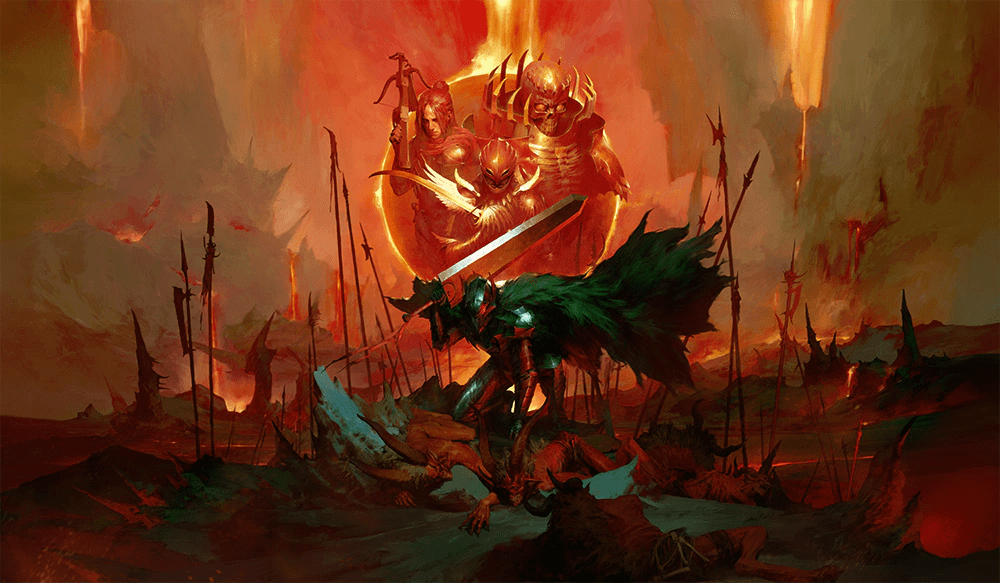
Image – Diablo 4/Blizzard

Blizzard’s Diablo 4 has been under fire for its monetization practices since launch, but Season 8 has pushed player frustration to new heights. With £112 Berserk-themed skins, slow seasonal progression, and minimal gameplay improvements, many fans feel the game is prioritizing revenue over meaningful content.

Season 8: The Breaking Point?

Season 8 introduced a crossover with Berserk, a beloved anime and manga series. While the collaboration excited fans, the steep cosmetic prices quickly overshadowed the hype. The most expensive skins cost £112, sparking outrage over Blizzard’s pricing strategy.

Beyond cosmetics, players have criticized the lack of substantial gameplay changes. While Season 8 added new boss encounters and minor quality-of-life improvements, many feel the core experience remains stagnant. The seasonal progression system has also been labeled as slow and unrewarding, making it harder for players to earn meaningful rewards without spending money.

A History of Monetization Controversies

Blizzard’s monetization tactics in Diablo 4 didn’t start with Season 8, previous seasons have had their fair share of backlash:

  • Season 1 (Malignant Hearts): The Battle Pass rewards felt underwhelming compared to the cost, leading players to question whether Blizzard was delivering enough value.
  • Season 2 (Blood Harvest): Premium mounts and armor sets were introduced, sparking debate over Blizzard’s pricing strategy compared to earnable cosmetics.
  • Season 5 (Echoes of Hatred): The use of limited-time bundles pressured players into purchases before items disappeared, reinforcing FOMO-driven monetization.
  • Season 7 (Infernal Reckoning): The £75.00 Collector’s Pack, containing little beyond cosmetics, highlighted Blizzard’s increasing reliance on microtransactions.

Blizzard’s Response: A Lack of Accountability?

Despite mounting criticism, Blizzard has largely avoided addressing player concerns directly. While Diablo franchise general manager Rod Fergusson previously stated that Diablo 4 would not follow the aggressive monetization model of Diablo Immortal, players feel that Blizzard has failed to uphold that promise.

Community frustration has led to calls for boycotts, with some players refusing to purchase cosmetics or engage with seasonal content until Blizzard makes meaningful changes.

How Does Diablo 4 Compare to Other ARPGs?

Blizzard’s monetization strategy stands in stark contrast to other ARPGs like Path of Exile and Lost Ark:

  • Path of Exile: While PoE has microtransactions, its monetization is focused on cosmetics and convenience, rather than restricting core gameplay. Players can enjoy the full experience without spending money.
  • Lost Ark: This MMO-ARPG has pay-to-win mechanics, but it also offers earnable cosmetics and progression options, making it more accessible than Diablo 4.

Compared to these games, Diablo 4’s monetization feels more aggressive, with high-priced cosmetics and limited ways to earn rewards through gameplay.

The Bigger Issue: Monetization vs. Player Trust

Blizzard’s aggressive monetization isn’t unique, major publishers across the industry are testing the limits of what players will tolerate. The critical question remains: When does optional monetization cross the line into exploitation?

While Blizzard continues to push revenue-driven strategies, player frustration is reaching a boiling point. Whether the backlash will eventually force change or simply fade as players accept this as the industry norm is yet to be seen.

Final Thoughts: Games Should Reward Players, Not Exploit Them

At the end of the day, gaming should be about experience, creativity, and fair engagement, not relentless monetization. Publishers need to recognize that player trust matters, because when games put profits ahead of their communities, they risk losing what makes them special.

Until next time, stay sharp and keep gaming. Panda out.

References

Leave a comment »

AI Darth Vader in Fortnite Sparks Controversy

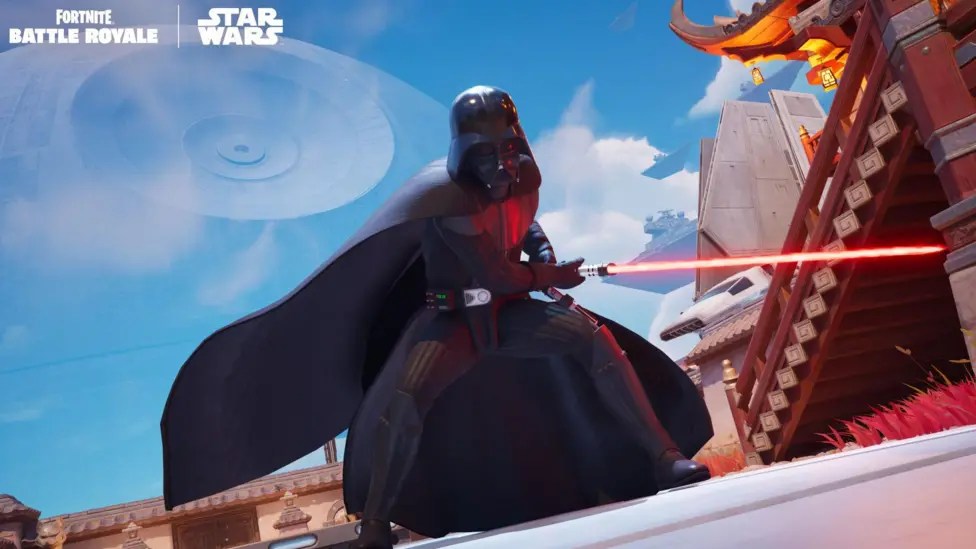
Image – Fortnite/Epic Games

AI Darth Vader in Fortnite Sparks Controversy

On May 16, 2025, Fortnite’s Galactic Battle event introduced an AI-generated Darth Vader, allowing players to interact with him via voice chat. While this was intended as a cutting-edge feature, it quickly became the center of controversy due to ethical concerns over AI voice replacement, industry backlash, and player misuse.

The AI Darth Vader and James Earl Jones’ Estate

Epic Games secured permission from James Earl Jones’ estate to recreate his legendary voice using AI. While this ensures continuity for the iconic character, many industry professionals have raised concerns about whether AI-generated performances should replace human voice actors entirely.

Voice Actors Speak Out Against AI Darth Vader

Voice actors have strongly opposed the use of AI-generated voices in Fortnite, arguing that it undermines their profession and sets a dangerous precedent for the industry.

The SAG-AFTRA union has filed an unfair labor practice charge against Llama Productions, a subsidiary of Epic Games, claiming that the company failed to negotiate with voice actors before replacing their work with AI.

The union argues that:

  • AI-generated voices replace human performers, cutting costs at the expense of artistry.
  • Epic Games did not inform the union or offer voice actors a chance to bargain before implementing AI Vader.
  • This sets a precedent for gaming companies to replace voice actors entirely, threatening their livelihoods.

Player Manipulation and Epic’s Response

Soon after release, players discovered ways to manipulate AI Vader, making him say inappropriate phrases, profanity, and offensive statements. By May 17, 2025, Epic issued a hotfix to limit abuse, but concerns linger over how AI NPCs in gaming could be exploited in the future.

How Easy Was It to Manipulate AI Vader?

Players quickly realized that AI Vader lacked proper language filtering, allowing them to trick him into saying profanity, slurs, and bizarre phrases. Some streamers even recorded clips of Vader responding with explicit language, which spread rapidly across social media before Epic patched the issue.

Examples of AI Vader’s Responses Before the Hotfix

Before Epic intervened, AI Vader was caught saying:

  • “Freaking, f*ing, such vulgarity does not become you, Padmé.”** (After being prompted with curse words)
  • “Spanish? A useful tongue for smugglers and spice traders. Its strategic value is minimal.” (A response that sparked backlash for its implications)
  • “Exploit their vulnerabilities, shatter their confidence, and crush their spirit.” (When asked for advice on handling a breakup)

These responses raised concerns about AI moderation, as Vader’s dialogue was generated dynamically based on player input.

Epic’s AI Moderation Plans

Epic Games has been working on AI moderation improvements, including voice reporting systems and AI-driven content filtering. However, the AI Darth Vader incident suggests that current safeguards are insufficient, raising concerns about how AI characters will be regulated in future games.

Comparison to Previous AI Voice Controversies

This isn’t the first time AI-generated voices have sparked backlash. In 2024, Capcom faced criticism for using AI-generated Albert Wesker voice lines in the Resident Evil 4 remake, leading to concerns about AI replacing human voice actors. The Fortnite AI Vader controversy follows a similar pattern, reinforcing industry-wide concerns about AI voice replication.

Community Reaction & Memes

The controversy quickly spread across social media, with players sharing memes and viral clips of AI Vader saying outrageous things. Some fans found the situation hilarious, while others called it “dystopian and unsettling.”

Industry Impact: What’s Next for AI in Gaming?

As AI technology becomes more prevalent in gaming, this controversy highlights ethical concerns over voice acting, character authenticity, and the rights of performers. If major studios continue using AI for iconic roles, unions may push for new protections to ensure fair compensation and artistic integrity.

The backlash against AI Darth Vader raises questions about the future of AI-driven characters in gaming:

  • Will developers find ways to better regulate AI NPCs?
  • Will actors’ unions successfully push for stronger protections?
  • How will players react to the ongoing integration of AI-generated characters in games?

Key Dates in the AI Darth Vader Controversy

  • May 16, 2025 – AI Darth Vader went live in Fortnite as part of the Galactic Battle event.
  • May 17, 2025 – Reports surfaced of players manipulating AI Vader, prompting Epic Games to issue a hotfix.
  • May 19, 2025SAG-AFTRA filed a complaint against Epic Games for failing to negotiate with voice actors before using AI-generated voices.
  • May 20, 2025 – The controversy intensified, with Star Wars fans calling the AI recreation “dystopian and sinister.”

What are your thoughts, should AI be allowed to replace iconic voice actors, or does this set a dangerous precedent for the industry?

Until next time, stay sharp and keep gaming. Panda out.

References

Leave a comment »

Star Citizen Delays New Ship Upgrade Amid Pay-to-Win Concerns

Cloud Imperium Games (CIG) is once again under fire, this time for delaying its latest ship upgrade, Flight Blades, after intense backlash from players. The controversy stems from the fact that when Flight Blades were first introduced, they were only available for real money, ranging from £7.50 to £33—despite promises that they would also be purchasable with in-game currency.

A Pay-to-Win Problem?

The idea of selling ship components for real money immediately sparked outrage, with players calling it a clear pay-to-win system. Many long-time supporters of Star Citizen, a game that has raised over £640 million in funding, questioned why the studio continues to introduce monetisation strategies that disadvantage those who prefer to play without spending extra cash.

Following the backlash, CIG announced that Flight Blades would be delayed and reassured players that they would eventually be available for in-game currency. However, frustration remains high—many believe ship components should never be locked behind real money transactions, especially in a game that prides itself on player-driven economies.

12 Years in Development—Where Is The £640 Million Going?

Star Citizen has been in development for over 12 years, starting in 2012. Despite the massive funding, the game still lacks many promised features, leading players to question how efficiently the money is being used. Some community members have even called for greater financial transparency, asking whether funds are being allocated effectively to deliver the game’s ambitious vision.

Ship Prices—How Much Are Players Spending?

Ship prices in Star Citizen vary widely, with some costing hundreds or even thousands of pounds. Here are a few examples of current ship prices in Alpha 4.1:

ShipPrice (in-game currency)Price (real money)
Aurora ES423,360 aUEC£40
Buccaneer1,663,200 aUEC£110
Prospector2,929,500 aUEC£140
Cutlass Red2,857,680 aUEC£150
Vulture2,646,000 aUEC£175

Some ships are only available for real money, while others can be earned through gameplay. However, many players argue that the pricing model pressures users into spending real money, rather than grinding for in-game currency.

Monetisation Trends—How Does Star Citizen Compare?

Star Citizen’s approach to monetisation is far more aggressive than many competitors. Games like Elite Dangerous and No Man’s Sky allow players to earn ships and upgrades solely through gameplay, while Star Citizen often locks high-end ships and components behind real-money purchases.

Unlike subscription-based MMOs, Star Citizen does not have a mandatory monthly fee—but many argue that the constant monetisation of ships and upgrades makes it a de facto subscription, where players need to spend money to stay competitive.

Development Transparency—Do Players Really Know Where the Money Goes?

Despite £640 million in funding, CIG has never offered a full financial breakdown of how the money is used. Players often question whether funds are truly going toward development, as new monetisation schemes continue to roll out while major game features remain incomplete.

The lack of a detailed roadmap and frequent delays have led to growing skepticism within the community, with some players calling for a third-party audit of CIG’s finances.

Community Response—What Are Players Saying?

The reaction to the Flight Blades controversy has been overwhelmingly negative:

  • Many feel that CIG deliberately launched Flight Blades as a real-money item before promising an in-game currency version to test player resistance.
  • Others argue that introducing real-money upgrades is destroying Star Citizen’s economy, favoring paying players over those who want to earn items through gameplay.
  • Some defenders believe that CIG needs continued revenue to fund Star Citizen’s ambitious scope, though the lack of transparency remains a sticking point.

Future Risks—Could This Backfire?

If CIG continues monetising ships and upgrades in this way, Star Citizen risks alienating a portion of its player base. Even long-time supporters are starting to question the financial model, and continued controversies could lead to weaker player engagement over time.

If Star Citizen ever officially launches, it will need to offer a balanced monetisation system that doesn’t lean too heavily on real-money purchases—or risk losing credibility as a truly player-driven experience.

Recent Monetisation Controversies—Gaming Industry Under Scrutiny

Star Citizen isn’t alone in facing monetisation backlash. Here are some of the latest gaming controversies that highlight industry-wide concerns:

  • European Union’s crackdown on in-game purchases – The EU has introduced new regulations requiring all in-game items to display their real-money cost alongside virtual currency prices. This was triggered by complaints about Star Stable, a free-to-play game marketed toward children.
  • Major gaming companies facing lawsuits – Blizzard, EA, Epic Games, Ubisoft, and others are being sued for predatory monetisation and addictive practices. The lawsuit argues that these companies target minors with manipulative in-game purchases, leading to financial loss and mental distress.
  • Consumer groups pushing for transparency – European regulators are demanding that premium in-game currencies be displayed in real money, arguing that hidden costs lead to overspending and unfair pricing.

Each of these cases highlights how monetisation strategies are facing increased scrutiny worldwide—something Star Citizen’s developers should pay close attention to.

What’s Next?

As of now, CIG has not announced a new release date for Flight Blades, nor have they detailed how much in-game currency players will need to acquire them. The delay has left many wondering if future upgrades will follow a similar pay-first, delay-for-in-game-currency model—something that could alienate a portion of Star Citizen’s dedicated community.

For now, players remain in a familiar position: waiting for answers while watching new monetisation tactics unfold.

Until next time, stay sharp and keep gaming.
Panda out.

References:

  • Dexerto – EU regulations on in-game purchases: Link
  • Instant Gaming – Cover image Link
  • Springer Journal of Business Ethics – Predatory monetisation practices: Link
  • The Conversation – Gamer perspectives on monetisation tactics: Link

Comments (3) »